What is Seachtain na Gaeilge?
Gaeilge, or Irish, is one of the oldest and most historical languages in the world, first seen in Ogham inscriptions from the 4th century. By the 6th century, Irish was spoken widely across Ireland, and had even begun to spread through Scotland, the west coast of Britain and the Isle of Man.
During the colonisation of Ireland in the 1600s, efforts to suppress the Irish language meant over time that English became the predominant language. However, in pockets of the country, there were still Irish speaking communities, and during the 1800s and 1900s, there was a big revival movement, resulting in the establishment of Irish language schools, as well the creation of new literature, poetry and theatre trí Ghaeilge (through Irish).
Irish as a living language
Today, the Irish language is a living language, and around 2 million people globally speak Irish. According to the most recent 2022 census, 15.4% of the population in Ireland speak Irish regularly, and the number of speakers has increased since the 2016 census.
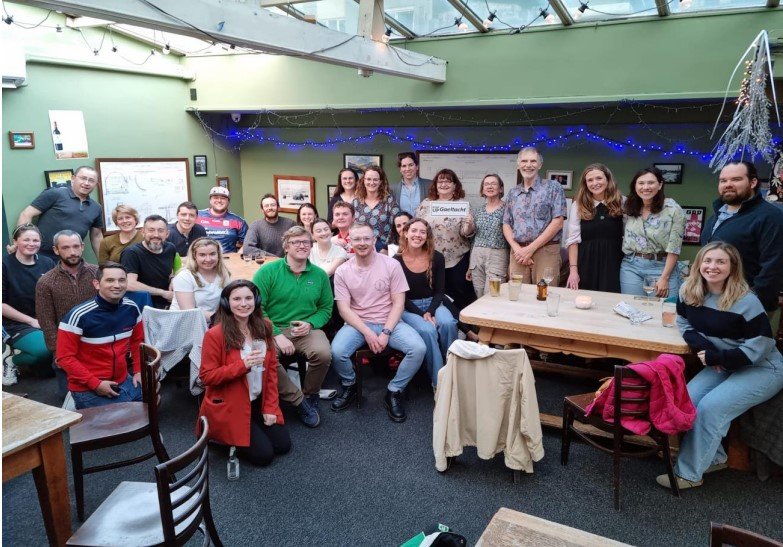
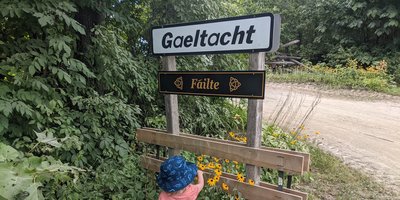
While Irish is mainly spoken in Gaeltacht (Irish speaking) regions of the country, the number of gaelscoileanna (Irish-only speaking schools) and other Irish language initiatives are growing and flourishing right across the country. Technology, among other factors, is helping to fuel an ever-growing grá (love) for our mother tongue.
In January 2022, Irish was recognised as an official language of the European Union, and the Irish language continues to be an integral part of Irish culture and history. It is a source of pride for Irish people, and every year we highlight our native language and culture during Seachtain na Gaeilge, or Irish week. Below we answer some frequently asked questions about our annual celebration of the Irish language:
What is Seachtain na Gaeilge?
Established in 1902, Seachtain na Gaeilge is the biggest Irish language festival in the world, reaching over 1 million people on five continents each year. The festival supports and promotes Irish language and culture through live events, music, workshops and more, all across the world.
Organised by Conradh na Gaeilge, the festival was initially established as a week-long event, but due to the demand, has now become a 17-day affair, running from 1-17 March every year, culminating on our national day, St Patrick’s Day.
What happens during Seachtain na Gaeilge? How to celebrate during the festival
Seachtain na Gaeilge is a community festival, with hundreds of events across Ireland, and indeed, around the world each year. Voluntary and community groups, local councils, schools, literary and musical groups, and sports, art and cultural organisations all organise events across the 17-day festival.
From céilithe (Irish dance events) to ciorcal comhrá (conversation circles), sports days to poetry nights, and oícheanta ceoil (music nights) in the local pub to historical tours trí Ghaeilge (through Irish), there are events to suit all ages and interests.
You can find all registered Seachtain na Gaeilge events in Ireland listed on PEIG.ie, while those wishing to engage with the festival from abroad should start with their local branch of Conradh na Gaeilge [international branches are listed at the bottom of the page].
Conradh na Gaeilge also welcome and encourage everyone to organise their own events, and have helpful guidance on common types of events and how to register on the Seachtain na Gaeilge website.
How do I pronounce Seachtain na Gaeilge?
Why not start your Irish learning journey by practicing saying Irish week as Gaeilge (in Irish)? Follow this phonetic spelling of Seachtain na Gaeilge to help you pronounce it correctly:
Shock-tin nuh Gway-liguh
Or listen to this year’s Seachtain na Gaeilge Ambassdors pronounce it to help guide your own:
Who are Conradh na Gaeilge?
Conradh na Gaeilge, organiser of Seachtain na Gaeilge, was set up in 1893 by the then-President of Ireland, Douglas Hyde. It was established to encourage the use of Gaeilge and promote the establishment if the Irish language becoming the standard language in Ireland.
Since then, the Conradh has spread to over 200 branches and thousands of members around the world. It is now a global community working at maintaining and promoting the use of the Irish language.
Interested in learning Irish?
Your local branch of Conradh na Gaeilge will be able to point you towards Irish language courses or more informal ciorcal comhrás (conversation circles), you can join if you are interested in learning or practicing your Gaeilge. More than a million people are also using the language app Duolingo to learn Irish, for on-the-go learning.
If you’re not sure if you want to jump in fully, start with these guides below to bring a cúpla focal (few words) into your life: