
Human Rights Council
Ireland and the Human Rights Council Campaign 2027 - 2029
The UN Human Rights Council
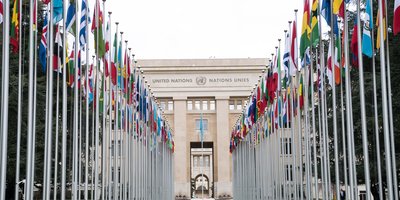
Established in 2006 and based in Geneva, the UN Human Rights Council (HRC) is an inter-governmental body within the UN system responsible for strengthening the promotion and protection of human rights worldwide.
The HRC is composed of forty-seven states elected for staggered three-year terms by the UN General Assembly. The Council is mandated, inter alia, to:
- Address violations of human rights and human rights emergencies
- Make recommendations to the UN General Assembly in relation to international human rights law
- Promote the full implementation of human rights obligations undertaken by States
- Undertake a Universal Periodic Review (UPR) of the fulfilment by each of the 193 UN Member States of its human rights obligations.
The HRC meets in three main sessions per year for a total duration of at least ten weeks. These regular sessions take place in March, June and September. In addition, a special session can be convened at any time to address human rights violations and emergencies if one third of the Member States requests this.
Most recently, the HRC held special sessions on the human rights situation in and around El Fasher, Sudan in November 2025, the situation of human rights in the east of the Democratic Republic of the Congo in February 2025 and the human rights impact of the ongoing conflict in Sudan in May 2023. The HRC held an urgent debate to discuss the recent military aggression carried out by the State of Israel against the State of Qatar in September 2025.
Ireland’s campaign for Human Rights Council 2027 – 2029
Ireland is currently running for election to the Human Rights Council for a three-year term from January 2027 – December 2029. The elections will take place in October 2026. If successful, this will be our second term on the HRC since serving in 2013-2015.
Ireland’s approach to HRC membership will be driven by our long-standing commitment to uphold human rights and the values enshrined in the Universal Declaration of Human Rights, as well as our commitment to inclusion, dignity and protection for marginalised groups, reflecting the “Furthest Behind First” approach set out in our Policy for International Development, A Better World.
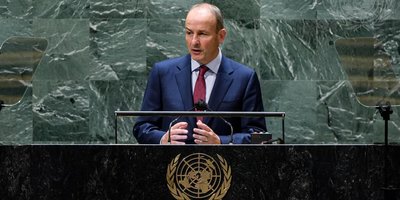
Our campaign for membership of the Human Rights Council, 2027 – 2029, was officially launched by Minister McEntee on 20 November at the United Nations in New York.
During UN General Assembly High Level Week, the Tánaiste hosted a side event with human rights defenders and civil society organisations, where he announced the policy priorities [insert link to Tánaiste’s speech] that will inform our campaign for membership.
We have set five priorities for our campaign and potential membership of the Council. These are;
- a commitment to supporting the role of civil society and human rights defenders;
- a promise to continue to champion women’s rights and gender equality,
- to work to defend the rights of LGBTIQ+ persons globally,
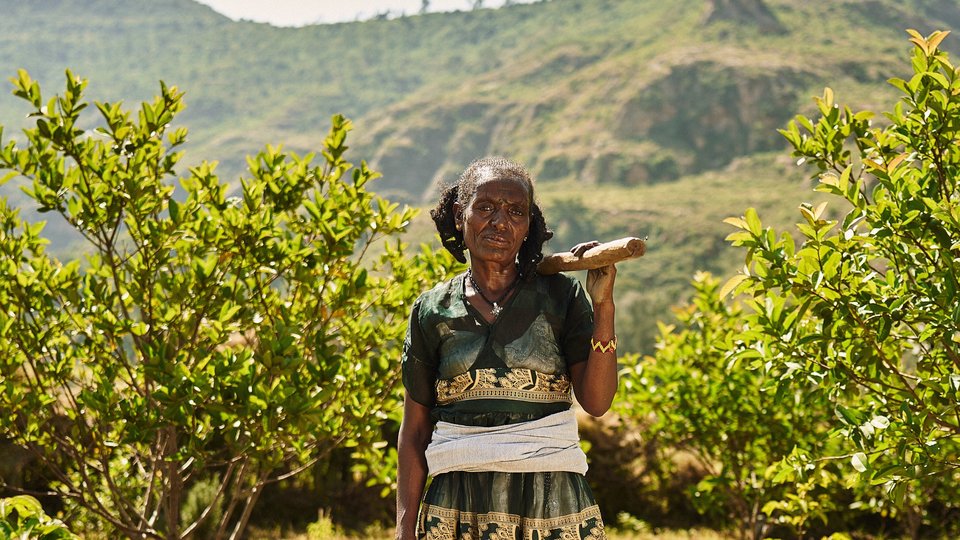
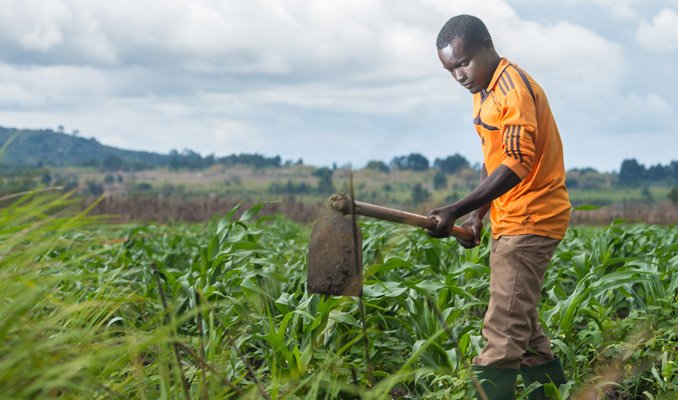
- to bring renewed attention to the fundamental right to adequate food,
- a strong and continued focus to the rights of persons with disabilities in conflict.
Our campaign will also be informed by two horizontal themes: the universality and indivisibility of human rights; and the impact of human rights violations on young people.
At a time when human rights are under challenge, if elected Ireland will use its voice to engage in an open and constructive way with Members and non-Member States across the agenda of the Council .
Ireland’s engagement at the HRC
Ireland was previously elected to the United Nations Human Rights Council for a three-year term, which began on 1 January 2013. The election was the result of extensive diplomatic effort and recognition of Ireland's good standing in the area of international human rights advocacy.
Ireland’s three-year membership of the UN Human Rights Council came to an end on 31 December 2015. While a member of the Council, Ireland focused on the human rights situation in individual countries, as well as a number of thematic priorities such as ensuring the rights of LGBTI (lesbian, gay, bisexual, transgender, or intersex) persons, the rights of the child, protection of human rights defenders, freedom of religion or belief and internet freedom.
During our membership, Ireland also led two national initiatives at the Council: the first on the promotion and protection of civil society space and the second on preventable morbidity and mortality of children under five. Advancing these initiatives was chief amongst Ireland’s priorities as a member of the Council.
Ireland continues to engage in work at the Council as an observer State.
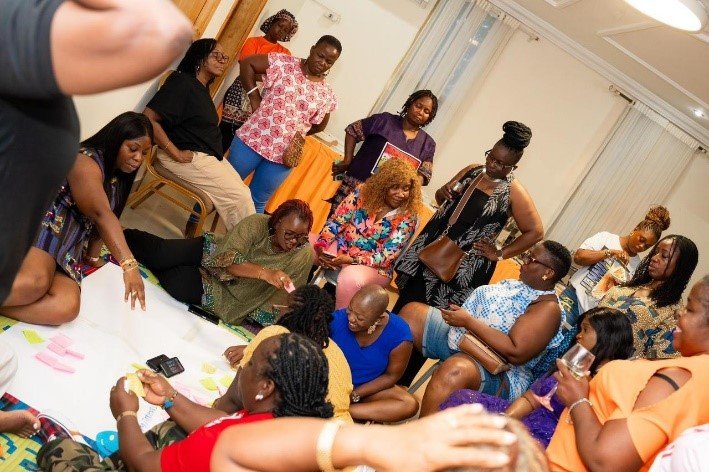
Irish National Initiatives at the HRC
Civil society space
Since 2013, Ireland has led the drafting and negotiation on the resolution on civil society space. This resolution was brought most recently in June 2025. Civil society space will remain a priority for Ireland throughout our campaign and potential membership of the HRC.
Combating preventable morbidity and mortality of children under 5 years of age
Ireland also presented resolutions on preventable morbidity and mortality of children under five. The first such resolution was adopted by consensus on 26 September 2013 and focused on how the Council can act in elaborating a human rights based approach to this issue and support the engagement of the human rights community in efforts to strengthen accountability for children’s health. As a result of the adoption of this resolution, technical guidance was elaborated by the Office of the UN High Commissioner for Human Rights (OHCHR) in consultation with the World Health Organization, grounded in human rights principles, to help governments and other actors to design policies and programmes to reduce and eliminate under-five mortality.