


Ireland and Zambia: Over 60 years of partnership
A journey of friendship, solidarity, and a shared future
The story of Ireland and Zambia’s relationship is one of partnership. It is based on deep connections, from the arrival of the first missionaries in Zambia through to the current relationships we have built and continue to foster, both at person – to – person and political levels. Over the last 60 years, Ireland and Zambia have worked together in the pursuit of inclusive development, education, healthcare, women’s empowerment, and democratic governance.
To mark 60 years of Zambia's independence and the longstanding friendship between Ireland and Zambia, the Embassy of Ireland has launched the Ireland-Zambia 60-Year Project. This is a chance to look back on our shared history, celebrate the people and the stories that connect us today.

Zambia’s founding President, Kenneth Kaunda, had strong personal relationships with Irish people in Zambia. Kaunda was close friends with Irish engineer Frank Ferguson and Zambia’s first Chief Justice James Skinner who was from Cork.
Before becoming President, Kenneth Kaunda actually visited Limerick in 1963. Following Zambia’s independence, Irish Jesuit Fathers Thompson and Walsh, along with James Skinner, arranged contacts with the Irish Government and a state visit to Ireland was planned.
Kaunda's time in Ireland
From 22-29 November in 1964, Kaunda visited Ireland as Zambia’s new Head of State. To large crowds and intense media interest, Kaunda toured Ireland.
The State Visit programme was substantive and included conferring President Kaunda with an honorary degree by the National University of Ireland (NUI) presented by the President of Ireland, a wreath laying ceremony at the graves of the Irish leaders of the 1916 Rising, a visit to Irish Sugar Company planet in Carlow and a model farm in Tipperary, a tour of the famous Rock of Cashel, and President Kaunda being awarded the freedom of the City of Limerick. In Limerick the President was greeted by large cheering crowds and at a dinner that evening President Kaunda was persuaded to sing two Zambian folk songs, for which he was given a standing ovation.
During his time in Ireland President Kaunda recorded a historic television address to the people of Ireland. During this address he stated that “We the people of Zambia, need your help. This help is to your fellow men. We do need people to come and help us build a truly non-racial and happy society of Zambia”.
The Irish people answered this call.

Kaunda's time in Ireland
From 22-29 November in 1964, Kaunda visited Ireland as Zambia’s new Head of State. To large crowds and intense media interest, Kaunda toured Ireland.
The State Visit programme was substantive and included conferring President Kaunda with an honorary degree by the National University of Ireland (NUI) presented by the President of Ireland, a wreath laying ceremony at the graves of the Irish leaders of the 1916 Rising, a visit to Irish Sugar Company planet in Carlow and a model farm in Tipperary, a tour of the famous Rock of Cashel, and President Kaunda being awarded the freedom of the City of Limerick. In Limerick the President was greeted by large cheering crowds and at a dinner that evening President Kaunda was persuaded to sing two Zambian folk songs, for which he was given a standing ovation.
During his time in Ireland President Kaunda recorded a historic television address to the people of Ireland. During this address he stated that “We the people of Zambia, need your help. This help is to your fellow men. We do need people to come and help us build a truly non-racial and happy society of Zambia”.
The Irish people answered this call.

Irish media coverage of President Kaunda's visit

Zambia and Ireland have always had a special relationship. Irish men and women have made lives in Zambia and many have contributed significantly to the social and economic development of Zambia and to the credit of Ireland. Irish men and women have come to Zambia as missionaries, lawyers, farmers, bankers, engineers, miners, teachers, nurses, doctors and other professions. We share just a few of those journeys and look forward to sharing more in the future.
"Ireland is not a small country. It is a big country, a great country because of the importance it puts on man as an individual."
-President Kaunda in Ireland, 24 November 1964 (Irish Independent)

For almost a century, hundreds of religious Irish men and women have come to Zambia to help communities all over the country. Irish Capuchin Franciscans first established a mission in Barotseland (now Western Province) in 1931; Irish Jesuits took a leading role in Southern Province from 1946 onwards, while Irish sisters from the Franciscan Missionaries of the Divine Motherhood first began providing health services in Northern Province the same year.
These pioneers were followed by many more, both clerics and lay volunteers, in the ensuing decades. Irish missionaries became prominent, often visionary, in both Zambia’s education and health sectors in particular.
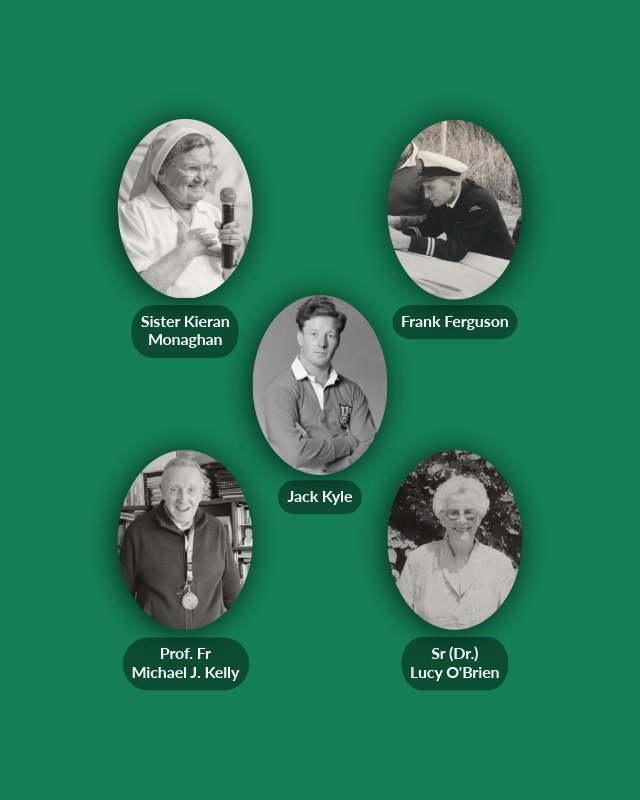
Honouring our Irish pioneers
Sister Kieran Monaghan spent the majority of her life in Zambia, working at the Roma Girls Secondary School in Lusaka where she taught mathematics and religious education.
Frank Ferguson contributed to Zambia's railway development and supported its independence. He was also a founding member of the Wild Geese.
Jack Kyle, renowned for his achievements as an Irish rugby star, devoted 34 years of his life serving as a highly respected surgeon in Zambia.
Professor Fr Michael J. Kelly SJ was an Irish-Zambian educator renowned for his global impact on HIV/AIDS education policy.
Sr (Dr.) Lucy O'Brien, a missionary physician, dedicated over 25 years to healthcare in Zambia, focusing on women's health and the HIV/AIDS crisis.

Honouring our Irish pioneers
Sister Kieran Monaghan spent the majority of her life in Zambia, working at the Roma Girls Secondary School in Lusaka where she taught mathematics and religious education.
Frank Ferguson contributed to Zambia's railway development and supported its independence. He was also a founding member of the Wild Geese.
Jack Kyle, renowned for his achievements as an Irish rugby star, devoted 34 years of his life serving as a highly respected surgeon in Zambia.
Professor Fr Michael J. Kelly SJ was an Irish-Zambian educator renowned for his global impact on HIV/AIDS education policy.
Sr (Dr.) Lucy O'Brien, a missionary physician, dedicated over 25 years to healthcare in Zambia, focusing on women's health and the HIV/AIDS crisis.
Hundreds of Zambians call Ireland home: nurses, accountants, IT specialists, students, and business people. Here are some photos from the recent visit to Ireland by the Zambian Ambassador from London, as well as from Africa Day celebrations.
Every year in October, Zambians in Ireland come together to celebrate Zambia’s Independence.
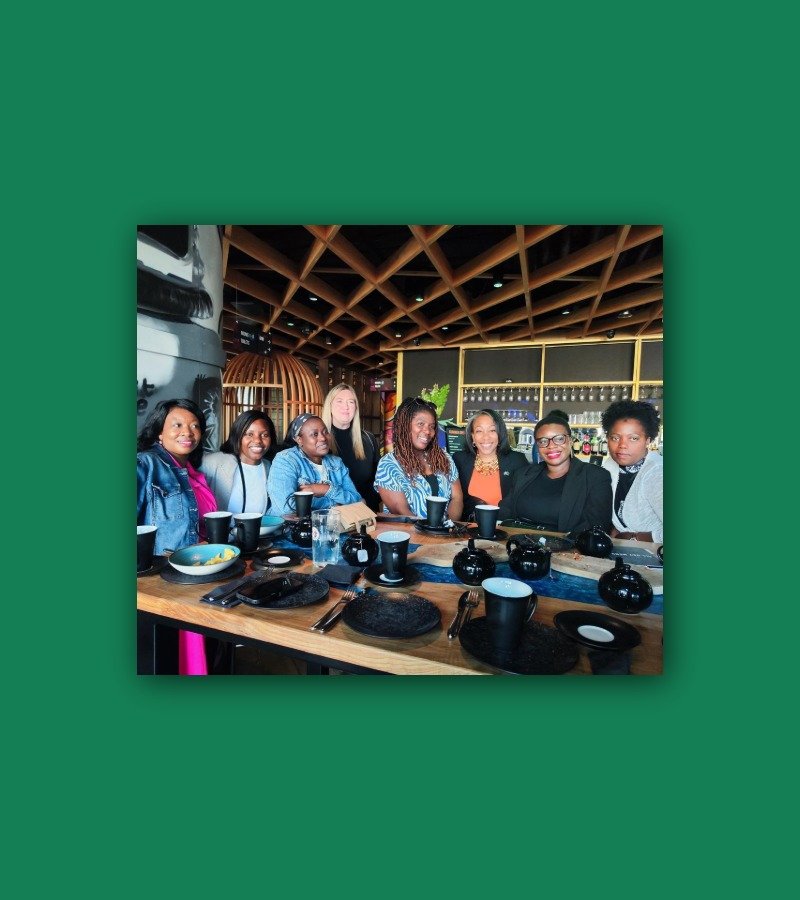
Hundreds of Zambians call Ireland home: nurses, accountants, IT specialists, students, and business people. Here are some photos from the recent visit to Ireland by the Zambian Ambassador from London, as well as from Africa Day celebrations.
Every year in October, Zambians in Ireland come together to celebrate Zambia’s Independence.
The Wild Geese
The Wild Geese Society in Zambia was formed in 1963 by Conor McIntyrne, J.J. Hughes and Frank Ferguson as a social club for Irish men and women from all provinces of the island.

Christmas and St Patrick’s Day still mark the high points of annual revelry although the society tries to maintain a steady cultural offering throughout the year. The society has always supported deserving causes - the St. Patrick’s Day Ball, usually addressed by the Irish Ambassador and British High Commissioner each year, is the main source of funds.
The Society welcomes Irish and an increasing number of affinity Irish. 2025-26 Chair is Irish and Zambian pâtissière Róisín Lukwesa Lynch. We include some memories of days and nights out. Photos courtesy of the Wild Geese Society, Ross Ferguson and Mark Pearson.


Ireland’s diplomatic presence in Zambia reflects a long trajectory of deepening bilateral ties. What began as an Honorary Consulate in the 1960s and 1970s evolved into a Development Cooperation Office in 1980, and was later upgraded to a full Embassy in 2006. Zambia was among Ireland’s first priority partner countries when its development cooperation programme was launched in 1974.

Since the Office’s establishment in 1980, Ireland’s Overseas Development Assistance to Zambia has steadily increased decade by decade—surpassing accumulative €100 million by 2003, €300 million by 2013, and now totaling over €400million.
The Embassy’s current Mission Strategy (2023–2027) builds on this strong foundation while also resetting the relationship to respond to new opportunities, challenges, and shared ambitions.
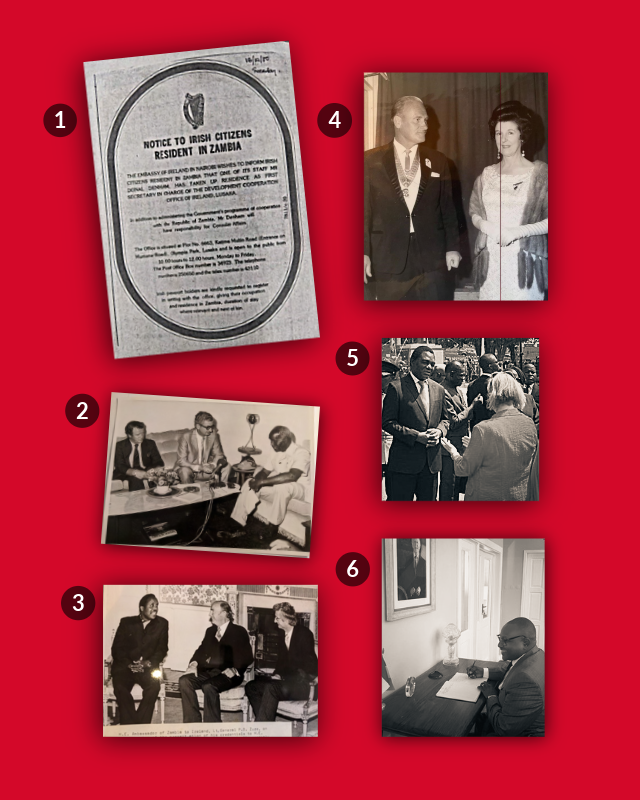
- Notice of the opening of the Development Cooperation Office in 1980
- Irish Minister of State for Foreign Affairs, Jim O'Keefe TD (centre) visits President Kaunda in 1982
- The Zambian Ambassador to Ireland (resident in London) presents credentials in Dublin, 1983. Courtesy of Dónal Denham, Ireland's first diplomat posted to Zambia.
- Ireland's Honorary Consul to Zambia 1969-1980 Mr. Conor McIntyre with his wife, Peggy McIntyre
- Ambassador Carr meets His Excellency President Hakainde Hichilema at Zambia's 60 year Independence celebrations in October 2024
- Minister for Foreign Affairs and International Cooperation Mulambo Haimbe SC signs the visitors' book at the Irish Ambassador's Residence 2025.

- Notice of the opening of the Development Cooperation Office in 1980
- Irish Minister of State for Foreign Affairs, Jim O'Keefe TD (centre) visits President Kaunda in 1982
- The Zambian Ambassador to Ireland (resident in London) presents credentials in Dublin, 1983. Courtesy of Dónal Denham, Ireland's first diplomat posted to Zambia.
- Ireland's Honorary Consul to Zambia 1969-1980 Mr. Conor McIntyre with his wife, Peggy McIntyre
- Ambassador Carr meets His Excellency President Hakainde Hichilema at Zambia's 60 year Independence celebrations in October 2024
- Minister for Foreign Affairs and International Cooperation Mulambo Haimbe SC signs the visitors' book at the Irish Ambassador's Residence 2025.
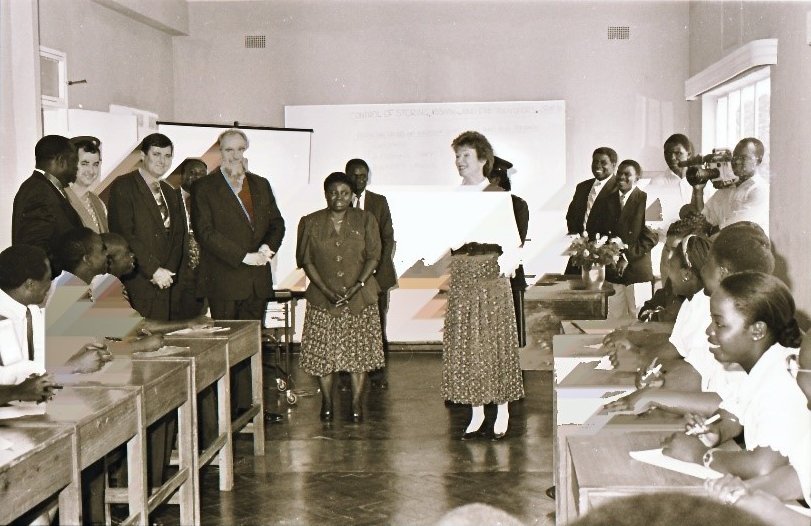
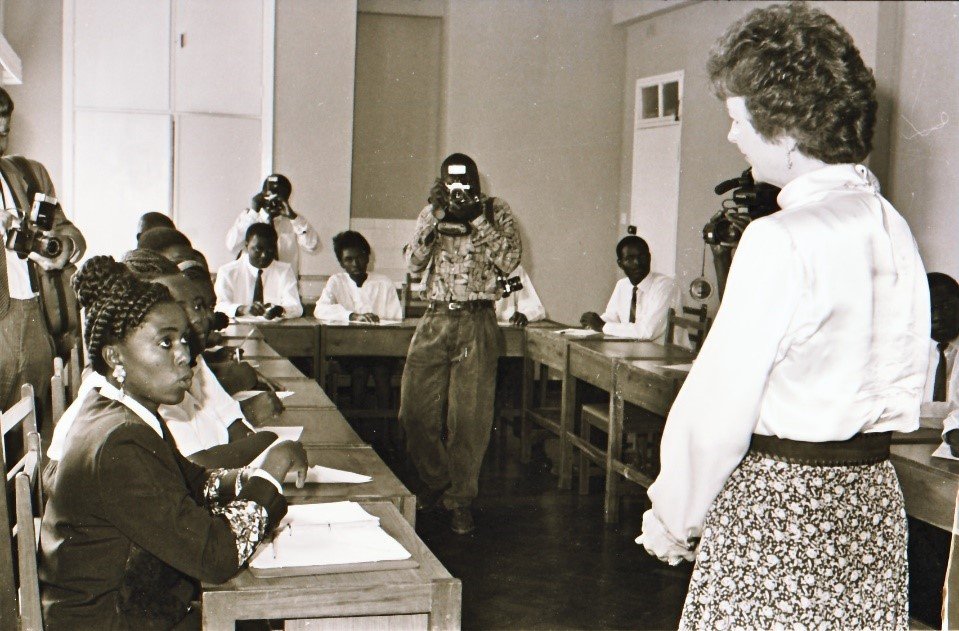
The President of Ireland, Mary Robinson paid a State visit to Zambia in 1994. Mary Robinson was Ireland’s ground-breaking first female President from 1990 to 1997.

During the course of her extended visit in Zambia, Robinson visited communities and projects in Lusaka, Northern Province and Southern Province where she is greeted by Mayor of Lusaka Mr. Fisho Mwale.
Mary Robinson went on to become UN Commissioner for Human Rights.

Ireland and Zambia share a common commitment to international peace and security. From 1967 to 1972, four classes of Zambian Army officer cadets trained as Officers at the Curragh Camp in Ireland.
One of these cadets, Solomon Mumbi, went on to become Lieutenant General and Commander of the Zambian Defence Force in the 1990s. Lieutenant General Mumbi’s son was among the last (5th) class in 1995.
“It is natural that many new African republics [wish] their young officials receive training in a small, neutral country like Ireland. A country that does not have an imperial history. We offer a welcome to Ireland to these young men from Africa.”
-RTÉ

Lieutenant General Mumbi and his Irish comrades kept in touch over the years. A group of the Irish erstwhile cadets visited Mumbi in Lusaka in 2023 and in 2025, retired. General Mumbi visited Ireland, meeting with a former friend as well as commandant of the Curragh Camp .

Ireland and Zambia share common inherited legal systems and traditions. Irish lawyers were prominent in the early years of Zambian independence.
Once again, Irish lawyers and judges are connecting with Zambian counterparts through the partnership with Irish Rule of Law International.
"Judges should not decide cases or impose sentences in such a way as to please public opinion or the Government."
- Zambian Chief Justice Skinner, 1969
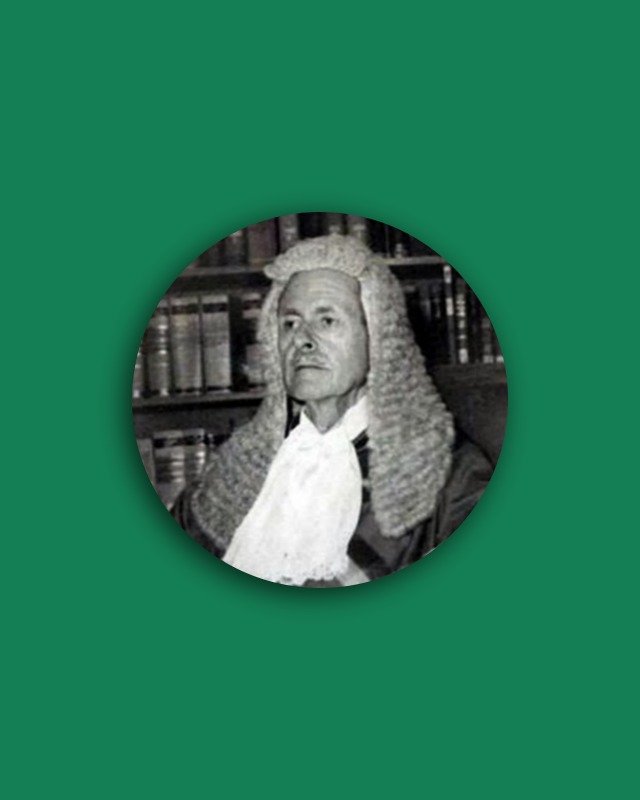
"Judges should not decide cases or impose sentences in such a way as to please public opinion or the Government."
- Zambian Chief Justice Skinner, 1969
The third Chief Justice of Zambia James John Skinner was born in Co. Tipperary in Ireland.
He joined the Northern Rhodesia Bar in 1951 and later UNIP, becoming a close confidant of President Kenneth Kaunda.
Skinner was Zambia’s first Minister for Justice and later Attorney General and finally became Chief Justice in 1969. As Chief Justice, Skinner clashed with the Zambian executive arm of Government and left Zambia. He remained friendly with Kaunda and later served as Chief Justice in Malawi until 1985. James John Skinner passed away in the UK in 2008.


Ireland’s local development programme began somewhat fortuitously in Northern Province in 1982 with the Kasama Dairy Farm. A Luapula irrigation project marked the start of many water-sanitation projects during the same decade.
We began deep and enduring partnerships on education and health in the 1990s. The 2000s saw new governance partnerships with local authorities and greater resourcing of the Province’s HIV/AIDS response. In the later part of that decade, the Embassy focus shifted to food and nutrition initiatives, increasingly through partner Gorta Self Help Africa.
After more than 35 years, the programme ended in 2018. The impact remains in the Province’s geography, the livelihoods made and in the memories of the people we reached.
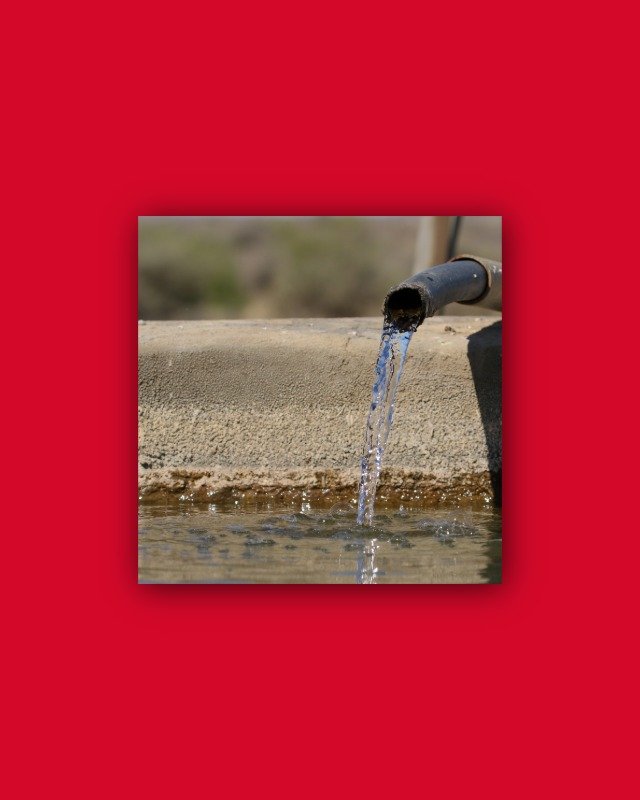
Many people in Northern Province refer to “Irish Water” to this day. This part of the programme endured over thirty years. It installed over 2,000 water points and built peri-urban water supply schemes.
From 1991 to 2005, the programme rehabilitated schools, provided education resources, developed local language materials, developed currricula and ran in-service training. 184 classrooms were built throughout Northern Province with latrines and other sanitation facilities.
Many people in Northern Province refer to “Irish Water” to this day. This part of the programme endured over thirty years. It installed over 2,000 water points and built peri-urban water supply schemes.
From 1991 to 2005, the programme rehabilitated schools, provided education resources, developed local language materials, developed currricula and ran in-service training. 184 classrooms were built throughout Northern Province with latrines and other sanitation facilities.
From the late 1990s, the programme began to focus on helping the local HIV/AIDS response – sensitising communities and providing support to orphans and households in distress.
From 2008, the programme turned also to livelihoods – to improving food security and nutrition. This element of the programme was managed by (then) Gorta Self Help Africa, which now as Self Help Africa, continues to work in the province.
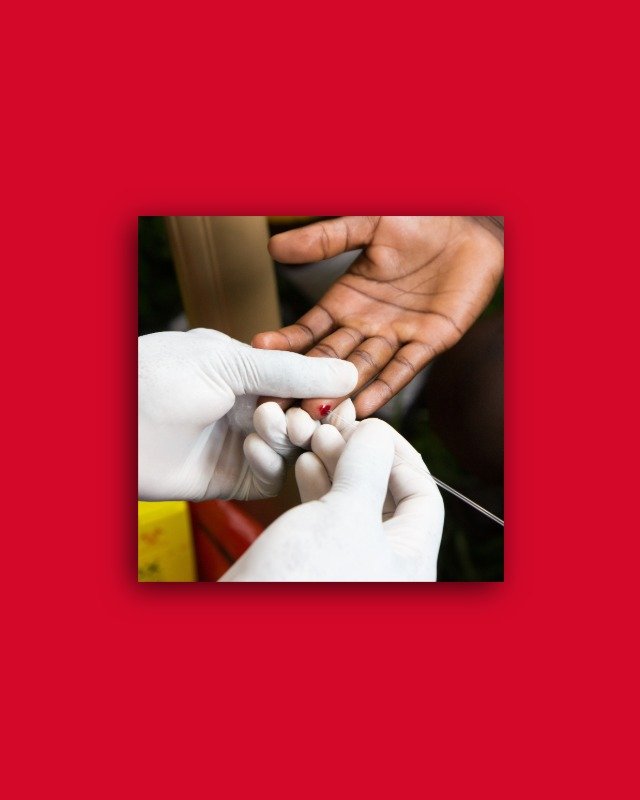
From the late 1990s, the programme began to focus on helping the local HIV/AIDS response – sensitising communities and providing support to orphans and households in distress.
From 2008, the programme turned also to livelihoods – to improving food security and nutrition. This element of the programme was managed by (then) Gorta Self Help Africa, which now as Self Help Africa, continues to work in the province.
Improving women’s health is one of the most powerful and transformative investments a society can make. When women have access to quality healthcare, especially during pregnancy, childbirth, and early motherhood, they are more likely to thrive, contribute economically and raise healthy families and nations. Ireland’s partnership with Zambia has long seen women’s health at the centre of many efforts.

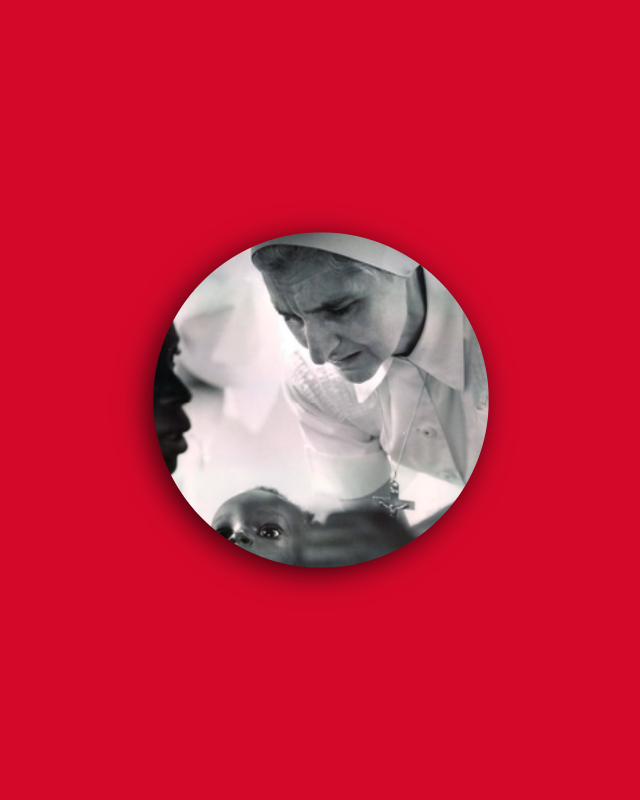
Sr Mona Tyndall (1921-2000)
Sr Mona Tyndall from the Missionary Sisters of the Holy Rosary worked as an obstetrician at Lusaka’s University Teaching Hospital.
In the early 1980’s Sr Mona identified the need for decentralised maternity clinics in Lusaka to ease the pressure on the hospital, which in 1982 was conducting 24,000 deliveries when it was designed for 8,000. With support from the recently opened Irish Development Cooperation Office, ten maternal health clinics were established which saw a significant reduction in maternal mortality. This approach was later extended to Kitwe in 1994 and Ndola in 1997.
Sr Mona Tyndall (1921-2000)
Sr Mona Tyndall from the Missionary Sisters of the Holy Rosary worked as an obstetrician at Lusaka’s University Teaching Hospital.
In the early 1980’s Sr Mona identified the need for decentralised maternity clinics in Lusaka to ease the pressure on the hospital, which in 1982 was conducting 24,000 deliveries when it was designed for 8,000. With support from the recently opened Irish Development Cooperation Office, ten maternal health clinics were established which saw a significant reduction in maternal mortality. This approach was later extended to Kitwe in 1994 and Ndola in 1997.
Sr Lucy O'Brien (1923-2006)
Sister Lucy O’Brien worked in Monze District Hospital as an obstetrician and gynaecologist for over 25 years. Working there she treated and operated on thousands of women and facilitated the postgraduate training of hundreds of doctors.
Thanks to Sister Lucy's expertise, Monze became Zambia's national centre for repairing fistulas. Sister Lucy went on to become centrally involved in the HIV/AIDS crisis. Sister Lucy's work was recognised by the Royal College of Physicians of Ireland when she was made an honorary fellow in 1998. President Levy Mwanawasa awarded her the Order of Distinguished Service, First Division, in 2004, for her lifetime of service to the women of Zambia.
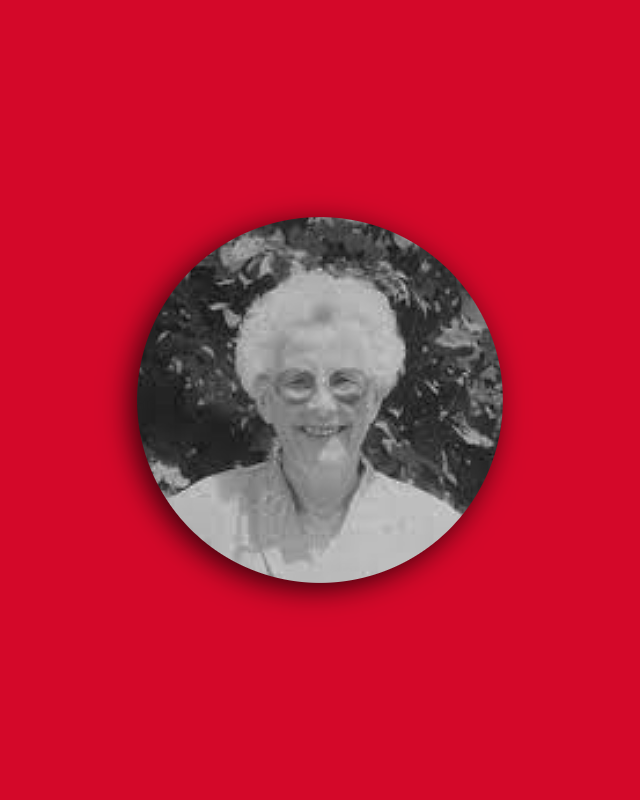
Sr Lucy O'Brien (1923-2006)
Sister Lucy O’Brien worked in Monze District Hospital as an obstetrician and gynaecologist for over 25 years. Working there she treated and operated on thousands of women and facilitated the postgraduate training of hundreds of doctors.
Thanks to Sister Lucy's expertise, Monze became Zambia's national centre for repairing fistulas. Sister Lucy went on to become centrally involved in the HIV/AIDS crisis. Sister Lucy's work was recognised by the Royal College of Physicians of Ireland when she was made an honorary fellow in 1998. President Levy Mwanawasa awarded her the Order of Distinguished Service, First Division, in 2004, for her lifetime of service to the women of Zambia.
In 2018, then Minister of Health, Hon. Dr Chitalu Chilufya, accompanied by Irish Ambassador to Zambia Seamus O’Grady, Kembe Member of Parliament Hon. Princess Kasune and ZNPHI Director Dr Victor Mukonka, officially opened the Dr. Lucy O’Brien Memorial Health Centre in Chibombo District.
Professor Mukonka, who studied in University College Dublin was appointed to serve on the WHO African Region Task Force on Reproductive, Maternal, Newborn, Child and Adolescent Health 2014-2017.
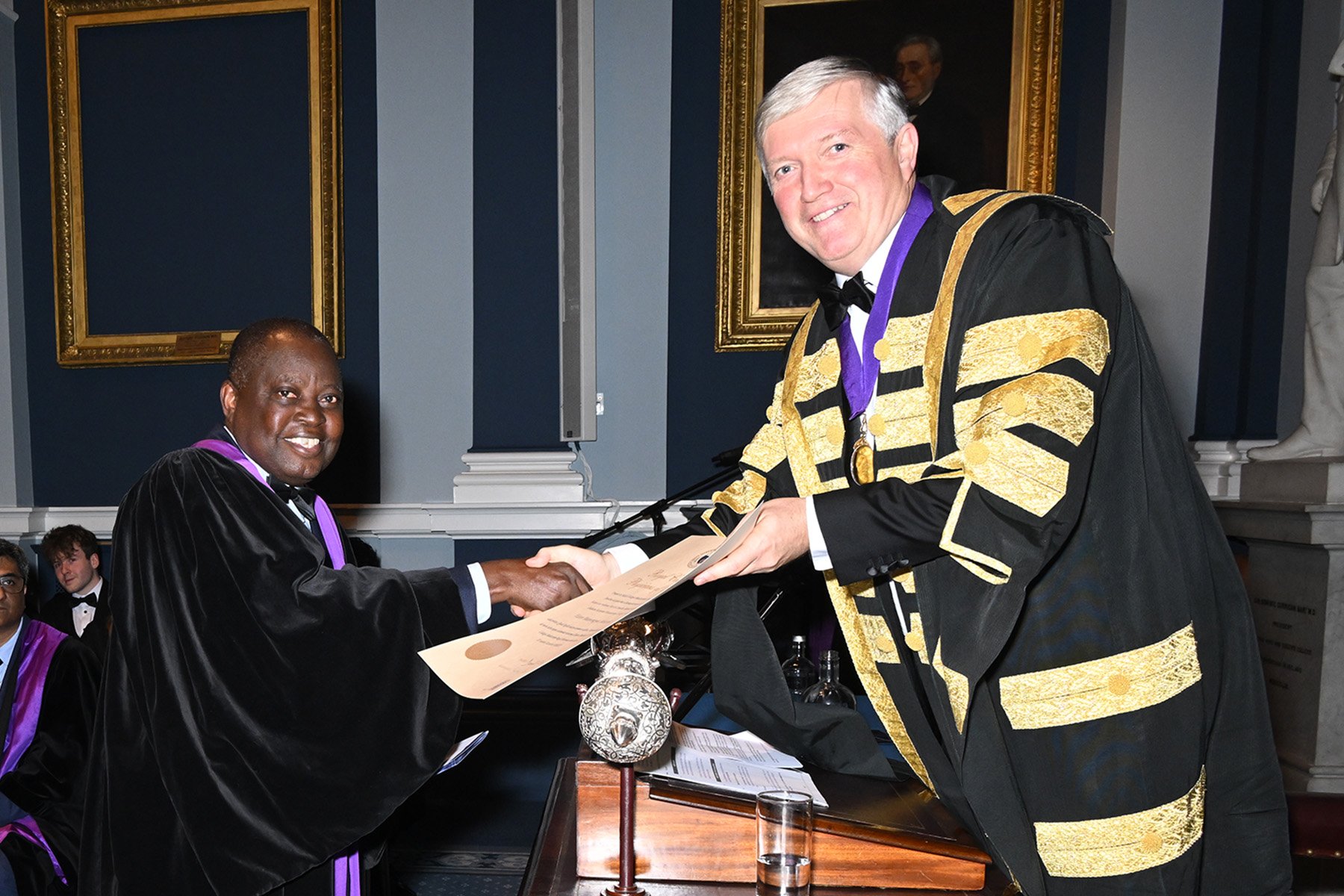
Professor Mukonka has also played a central role in the work of EQUALS, a partnership between the Royal College of Physicians, Ireland and the HSE, which started with one ultrasound machine shipped from Ireland to Zambia in 2013.
The programme has now seen 13 40- foot containers of reusable medical equipment sent to the Zambian Ministry of Health and has evolved into a vehicle for nationwide medical training, supporting both equipping and training needs at a national level in Zambia. From 2008, the programme turned also to livelihoods – to improving food security and nutrition. This element of the programme was managed by (then) Gorta Self Help Africa, which now as Self Help Africa, continues to work in Northern province and in Zambia more widely.
In October 2025 the Royal College of Physicians of Ireland (RCPI) awarded Professor Mukonka an Honorary Fellowship on the basis of his significant contributions to Zambia Healthcare.

Professor Mukonka has also played a central role in the work of EQUALS, a partnership between the Royal College of Physicians, Ireland and the HSE, which started with one ultrasound machine shipped from Ireland to Zambia in 2013.
The programme has now seen 13 40- foot containers of reusable medical equipment sent to the Zambian Ministry of Health and has evolved into a vehicle for nationwide medical training, supporting both equipping and training needs at a national level in Zambia. From 2008, the programme turned also to livelihoods – to improving food security and nutrition. This element of the programme was managed by (then) Gorta Self Help Africa, which now as Self Help Africa, continues to work in Northern province and in Zambia more widely.
In October 2025 the Royal College of Physicians of Ireland (RCPI) awarded Professor Mukonka an Honorary Fellowship on the basis of his significant contributions to Zambia Healthcare.



Ireland is known first and foremost in Zambia for the importance it accords to education at home and abroad. Many Zambians will be able to refer to Irish, mainly missionary, teachers in their educational journey.
Ireland has invested almost €150 million in Zambia to support Zambia upholding every child’s right to education. Investment has built schools, trained teachers, provided materials and developed curricula at primary and secondary level. It supports vulnerable children and kept girls in school. It has helped improve vocational training and provided Masters level education to many public servants.
Ireland is a strong supporter of the World Bank Girls Education and Women’s Empowerment and Livelihoods Project and its Keeping Girls in School Initiative in particular.
“A lot of girls drop out because of early marriages. When it comes to boys, they go into drug abuse. Studying in school has really helped us to stay away from these problems.”
-Grade 8 Keeping Girls in Schools Beneficiary
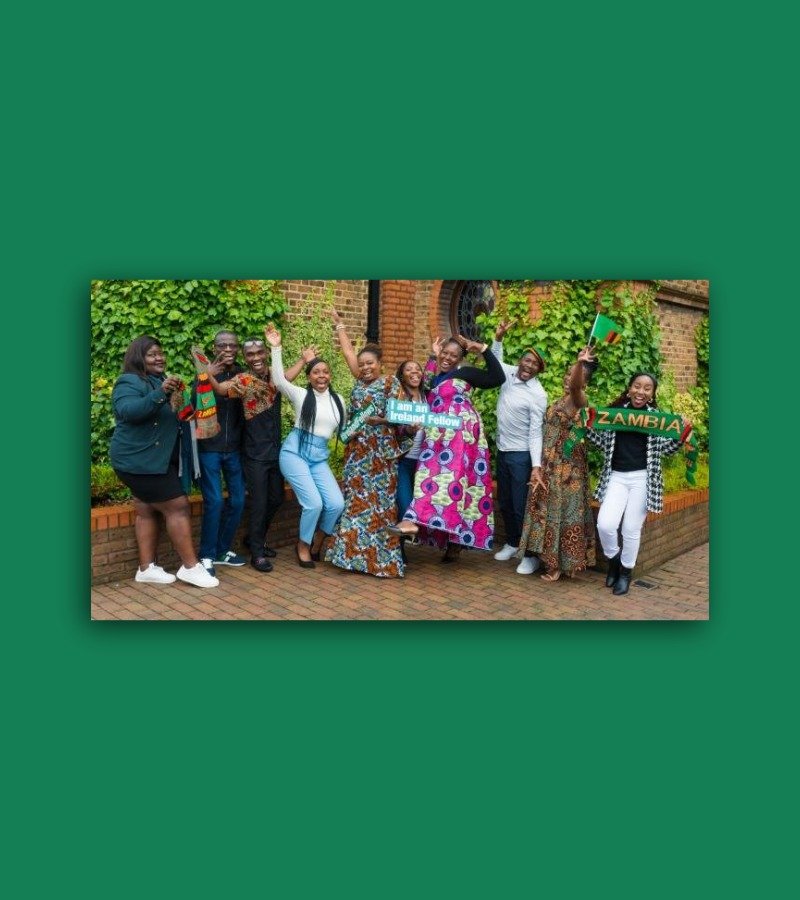
The Ireland Fellows Programme enables potential Zambian leaders get a world-class Masters level education in Ireland.
At least ten Zambians participate every year at the full range of Irish universities. Fellows take Masters in Law, Economics, International Relations, Climate Action, Gender Equality, Agricultural Science, Business and Engineering to name a few.
Over 400 Zambian fellows have graduated since 1980. Many Fellows have gone on to occupy high office in Zambia`s public administration.
The Ireland Fellows Programme enables potential Zambian leaders get a world-class Masters level education in Ireland.
At least ten Zambians participate every year at the full range of Irish universities. Fellows take Masters in Law, Economics, International Relations, Climate Action, Gender Equality, Agricultural Science, Business and Engineering to name a few.
Over 400 Zambian fellows have graduated since 1980. Many Fellows have gone on to occupy high office in Zambia`s public administration.

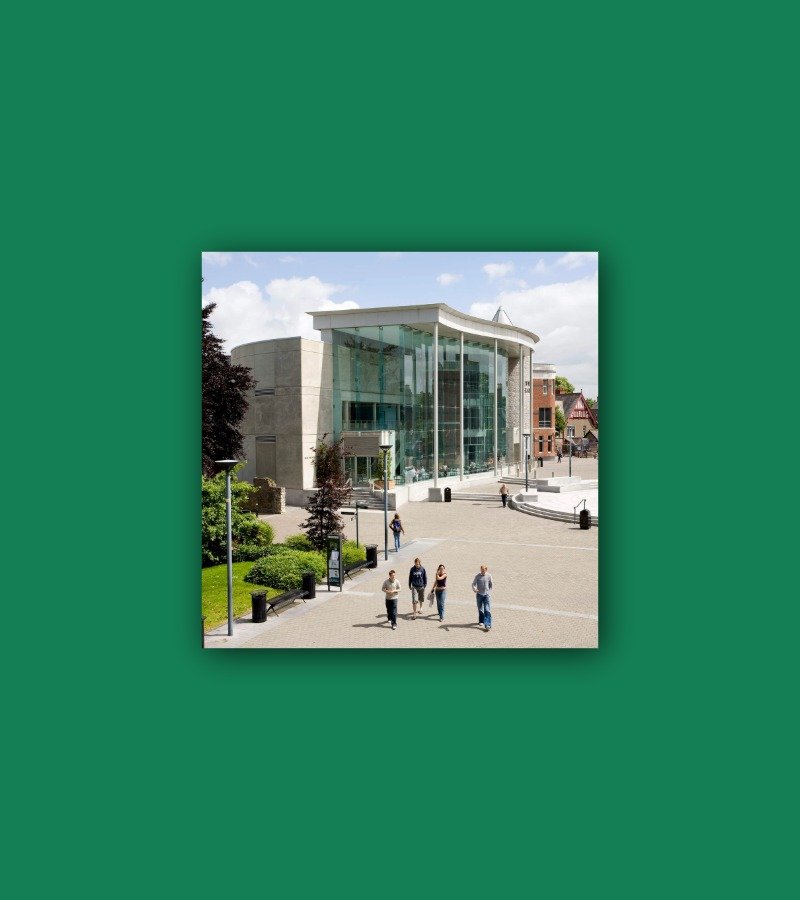
“I did not quite expect the vibrant social scene that awaited me (in Cork) …the Ireland Fellows Programme was transformative and I can only recommend it to others who are passionate about driving positive change and pursuing development goals through their chosen fields”
- Chilombo, human rights lawyer counsel working, Chapter One Foundation in Lusaka. Recieved first class Masters of Law in International Human Rights Law and Public Policy from University College Cork
“I did not quite expect the vibrant social scene that awaited me (in Cork) …the Ireland Fellows Programme was transformative and I can only recommend it to others who are passionate about driving positive change and pursuing development goals through their chosen fields”
- Chilombo, human rights lawyer counsel working, Chapter One Foundation in Lusaka. Recieved first class Masters of Law in International Human Rights Law and Public Policy from University College Cork

Professor Fr Michael J. Kelly SJ
His influence in HIV/AIDS education policy is recognised globally. Fr. Kelly’s many honours include the first ever Zambian Presidential Award for outstanding individual contribution to education (2011) and the Irish Presidential Distinguished Service Award for the Irish Abroad (2012). UNZA awarded Fr Kelly its first Higher Doctorate Degree of Letters posthumously at a lecture theatre named in his honour in 2021.
He taught mathematics and physics at St. Canisius College, Chikuni and became principal. On completion of his PhD (Educational Psychology), Fr. Kelly became the first Zambian Dean of the School of Education at UNZA in 1975 (having attained Zambian citizenship in 1968). He became the University’s Deputy Vice Chancellor before returning to his passion for lecturing, research, supervision and writing for the School of Education in the 1980s.


Ireland-Zambia cooperation on food security began with dairy production in Northern Province in the early 1980s. It has transformed over the decades into a more integrated, climate-sensitive and people-driven approach today. Ireland’s support to agriculture and food systems has always tried to adapt to Zambia’s needs. Against the present backdrop of a changing climate and more regular shocks, Ireland and Zambia work together to improve livelihoods, build resilience and ensure no one is left hungry.
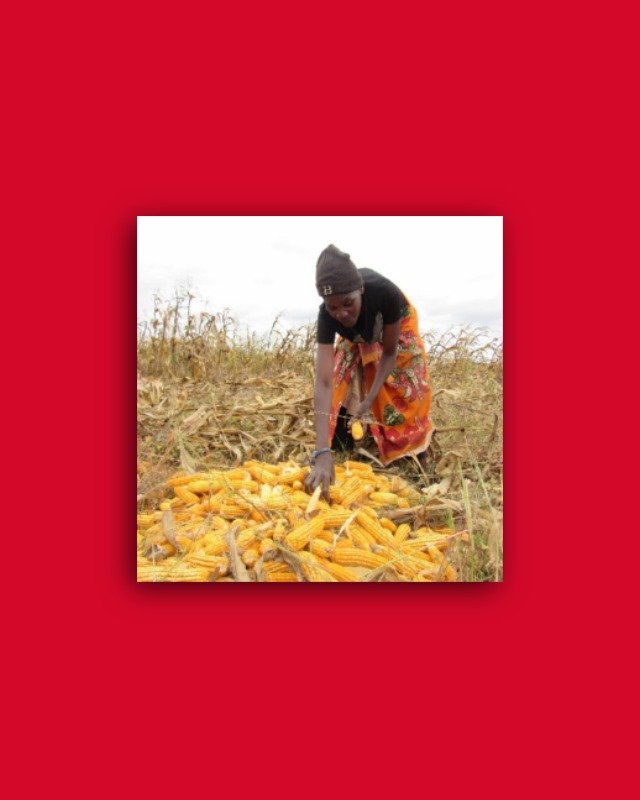
Martha Zulu in Central Province was among those whose life has been transformed by consuming bio-fortified crops.
The switch to vitamin A rich orange maize and bio-fortified Mbereshi beans improved her sight, she says. She was linked to a small company SMEs supported by Musika’s ‘Making Agricultural Markets Work for Nutrition’ programme.
The programme, supported by Ireland, sensitised smallholder farmers to nutritious products and linked them to markets.
Martha Zulu in Central Province was among those whose life has been transformed by consuming bio-fortified crops.
The switch to vitamin A rich orange maize and bio-fortified Mbereshi beans improved her sight, she says. She was linked to a small company SMEs supported by Musika’s ‘Making Agricultural Markets Work for Nutrition’ programme.
The programme, supported by Ireland, sensitised smallholder farmers to nutritious products and linked them to markets.
The food and nutrition element of the Northern Province local development programme with Gorta Self Help Africa looked at animal/crop health, value chains and markets more deliberately.
Ireland encourages Zambia to take an integrated food systems approach using the expertise of Sustainable Food Systems Ireland.
Ireland is on course in 2025 to have invested €400 million in Zambia since 1980 represented below by sector of investment. Development cooperation, which began in industrial modernisation soon shifted to more pro-poor efforts in health and education the 1980s. Projects and programmes were often implemented directly before moving more to use of Government systems in the 1990s and later pooling funds with other partners. Today, Irish development cooperation uses mixed channels in its support to development.


Building on the Missionary legacy, Ireland’s current support to gender equality in Zambia is wide-ranging and focused on systems change. Ireland’s approach puts a strong emphasis on young women’s access to information, choices, and services. Through multi-sectoral partnerships, Ireland supports access to reproductive health and rights.
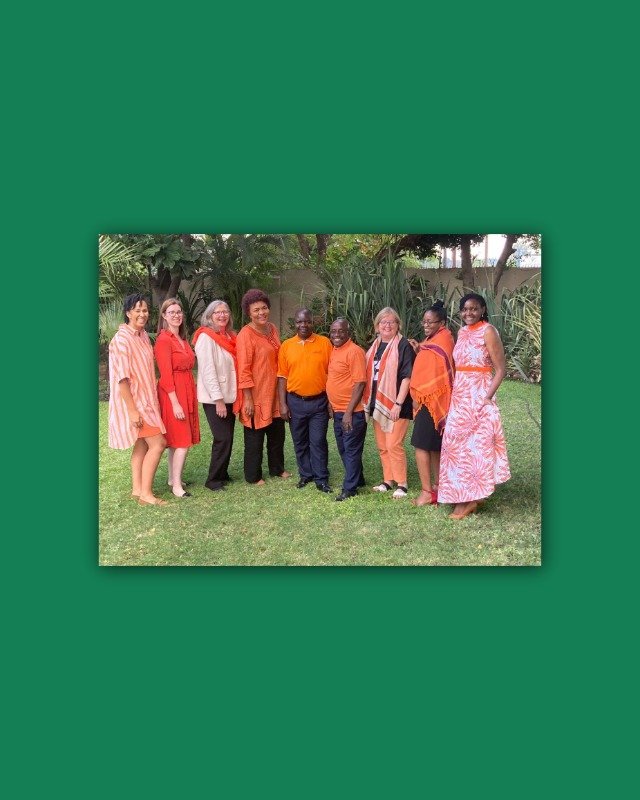
Access to contraception, accurate information, and adolescent-friendly services remain priorities, especially in the face of early marriage, teen pregnancy, and school dropout. Through the UN Spotlight Initiative, Ireland is working with partners in Zambia to not only combat gender-based violence (GBV) by strengthening services for survivors, but also supporting systems change like legal reforms, and enabling women’s organisations to lead prevention efforts.
Access to contraception, accurate information, and adolescent-friendly services remain priorities, especially in the face of early marriage, teen pregnancy, and school dropout. Through the UN Spotlight Initiative, Ireland is working with partners in Zambia to not only combat gender-based violence (GBV) by strengthening services for survivors, but also supporting systems change like legal reforms, and enabling women’s organisations to lead prevention efforts.
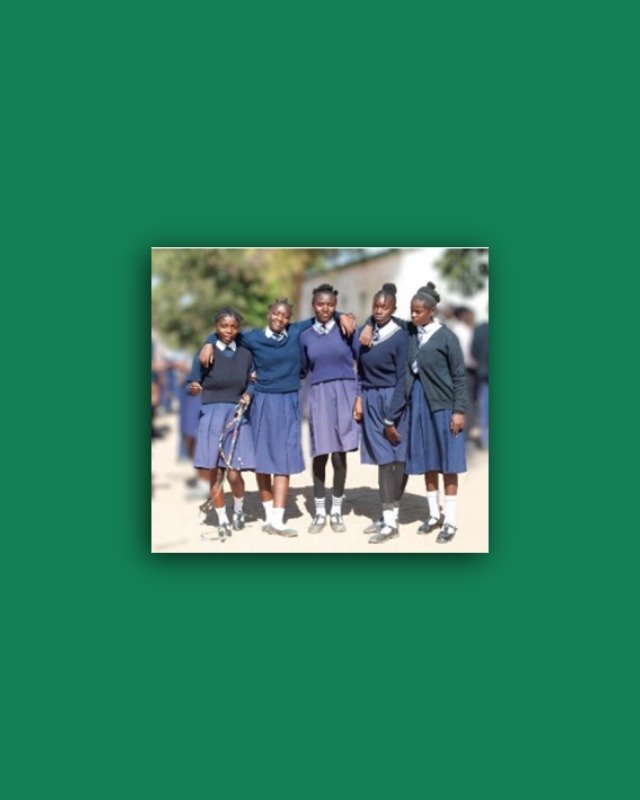
Ireland is also a long-standing partner to Zambia’s GEWEL Programme, which has enabled thousands of adolescent girls to remain in secondary school and supported rural women with grants and skills training to improve their livelihoods. Ireland, alongside others, supports a major Zambian initiative funded by the World Bank to keep girls in school.
Ireland is also a long-standing partner to Zambia’s GEWEL Programme, which has enabled thousands of adolescent girls to remain in secondary school and supported rural women with grants and skills training to improve their livelihoods. Ireland, alongside others, supports a major Zambian initiative funded by the World Bank to keep girls in school.
Ireland also works with organisations like Build It International to ensure that women and girls have pathways into training and employment, including in male-dominated sectors like construction and technical education. These opportunities help shift gender norms and unlock income-generating potential for young women.
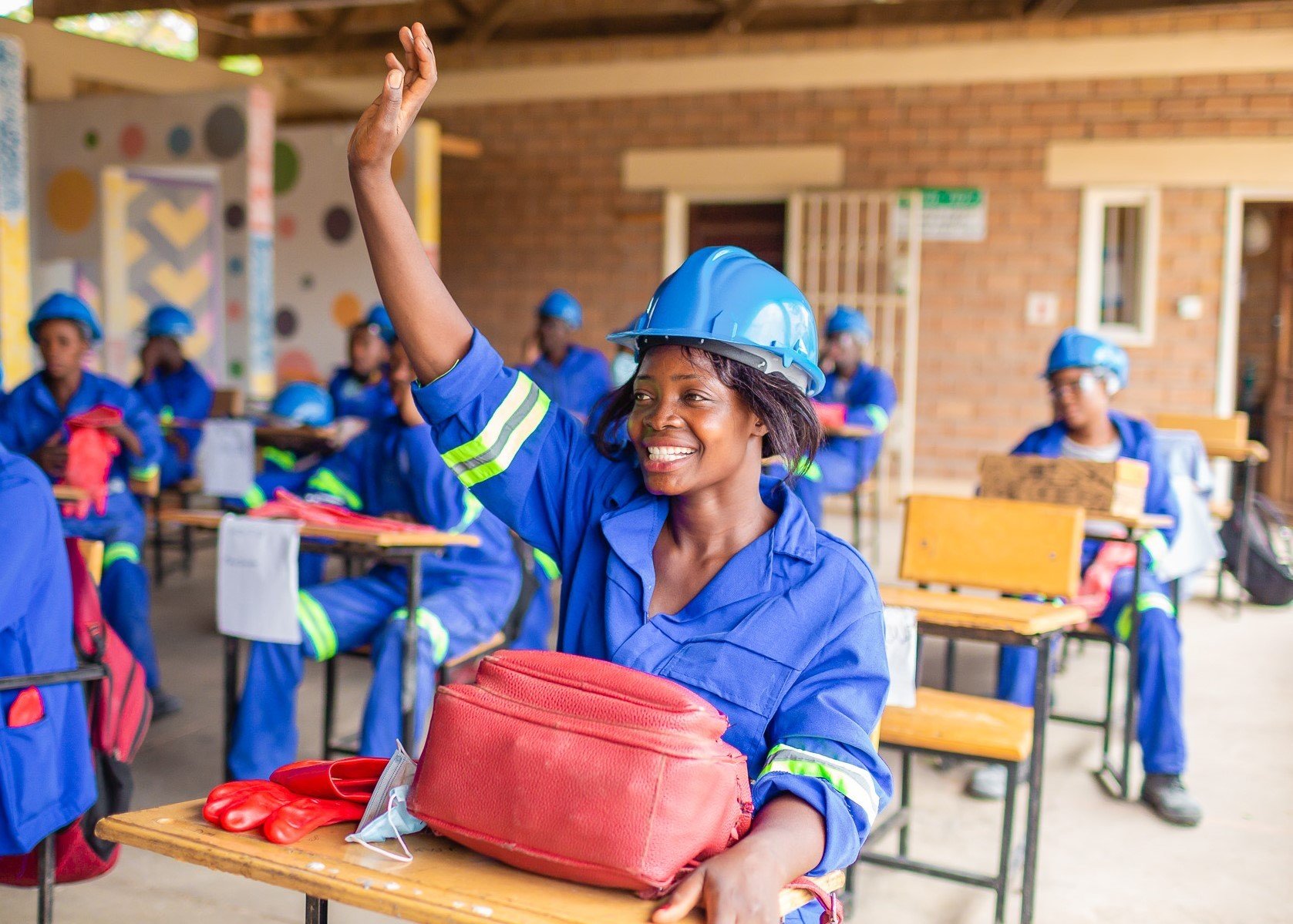
Ireland and Zambia share a common will to increase women’s political participation. Ireland works with the UN and with the Carter Centre to help Zambia increase participation of women, youth and persons with disabilities in political structures.
Looking ahead, Ireland remains committed to investing in the next generation of Zambian women. This means not only responding to the needs of today, but creating space for young women to lead, influence, and shape a more inclusive and just future—where equality is not an aspiration, but a lived reality.

Sister Kieran Monaghan
Sr Francis Kieran Monaghan spent almost fifty years teaching in Zambia with the Religious Sisters of Charity from the 1970s. She spent the majority of her life in Zambia, working at the Roma Girls Secondary School in Lusaka. A pioneer in girls STEM teaching, Sr Kieran taught mathematics and religious education at Roma. Her many pupils fondly remember the inspirational role she played in their education and self-development.
Generations of Sr Kieran’s Roma girls have since gone on to become influential leaders in Zambian life. Sr Kieran founded the ExRoma Girls’ Association (EROGA), which continues to support the school. In 2019, Sr Monaghan was awarded a Lifetime Achievement Award for her contribution to Zambia since the early 1970s at the Zambia Women of the Year Awards.


Ireland and Zambia also support the UN focus on global human development in the UN Sustainable Development Goals.
Ireland, along with other cooperating partners has supported large-scale programmes in Zambia on gender equality, democracy strengthening and food security that have made real differences in human development. They continue to play a strong role in championing UN coordination and reform.
Covid-19 taught all Governments the importance of national health surveillance systems. Ireland supports the strengthening of Zambia’s systems through the World Health Organisation.
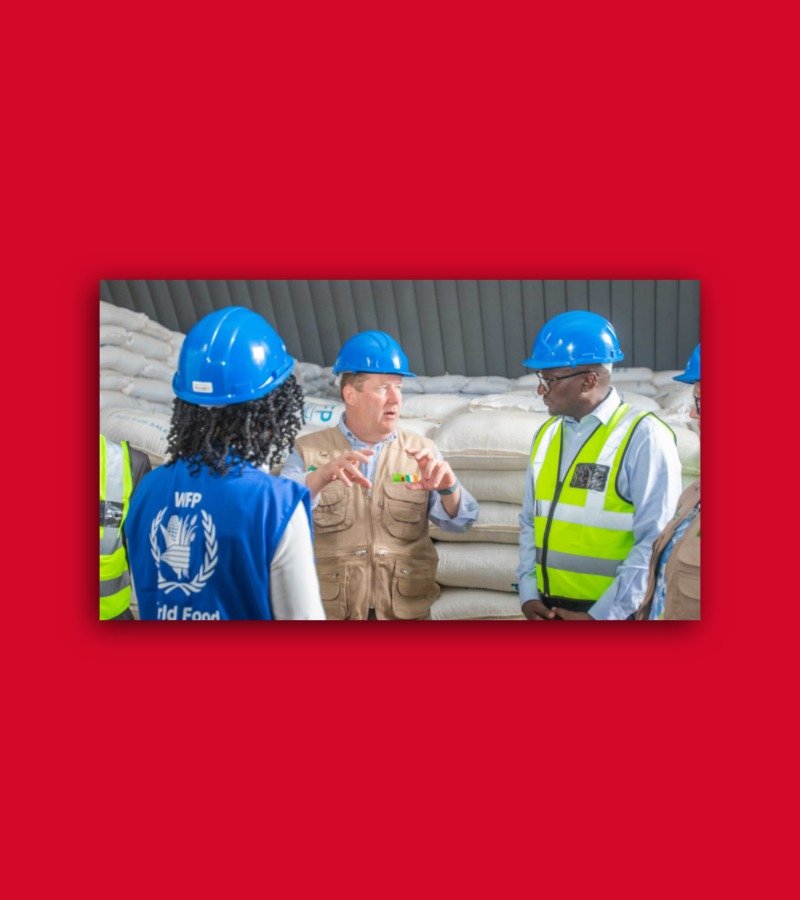
Ireland has supported Zambian gender based violence responses. Notable achievements include the establishment of one-stop centres for victims and fast-track Courts in all the provinces.
They have also supported the World Food Programme (WFP) globally. Minister Darragh O’Brien announced significant funding to Zambia’s 2024 drought response. The Embassy works with the WFP on building climate-sensitive food systems and has just finished a major Scaling Up Nutrition programme with Unicef.
Ireland has supported Zambian gender based violence responses. Notable achievements include the establishment of one-stop centres for victims and fast-track Courts in all the provinces.
They have also supported the World Food Programme (WFP) globally. Minister Darragh O’Brien announced significant funding to Zambia’s 2024 drought response. The Embassy works with the WFP on building climate-sensitive food systems and has just finished a major Scaling Up Nutrition programme with Unicef.
Ireland has supported the UN system to encourage free and fair elections and to strengthen democracy in Zambia.
The DSZ programme and its precursors supported necessary legal reform, civil society participation, policing of elections and more equitable participation by women, youth and persons with disabilities.
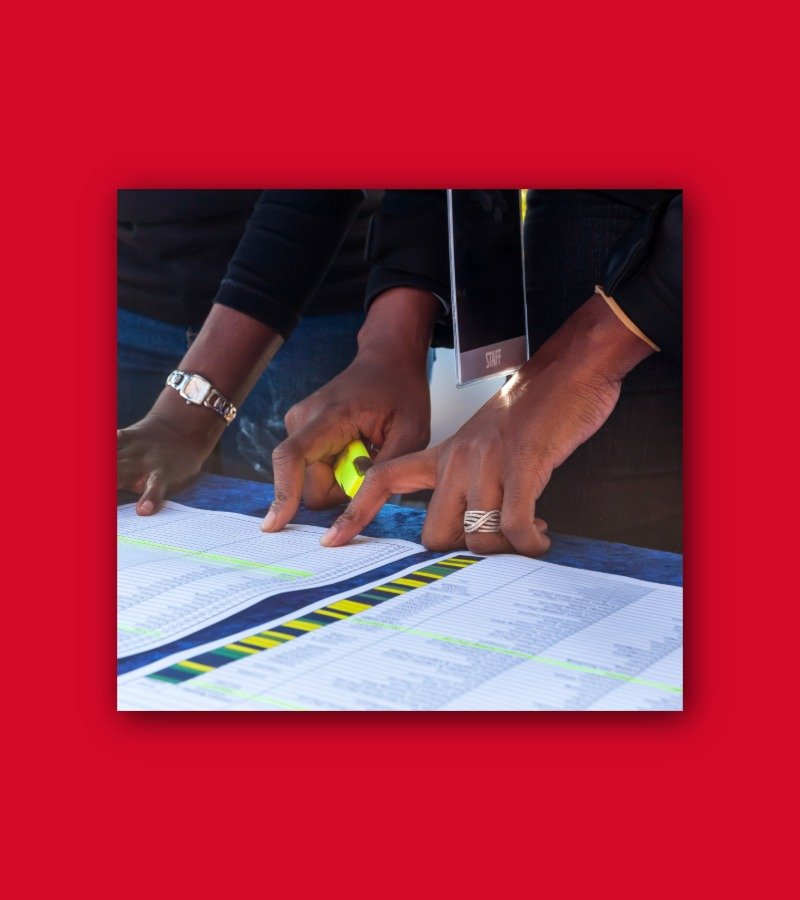
Ireland has supported the UN system to encourage free and fair elections and to strengthen democracy in Zambia.
The DSZ programme and its precursors supported necessary legal reform, civil society participation, policing of elections and more equitable participation by women, youth and persons with disabilities.

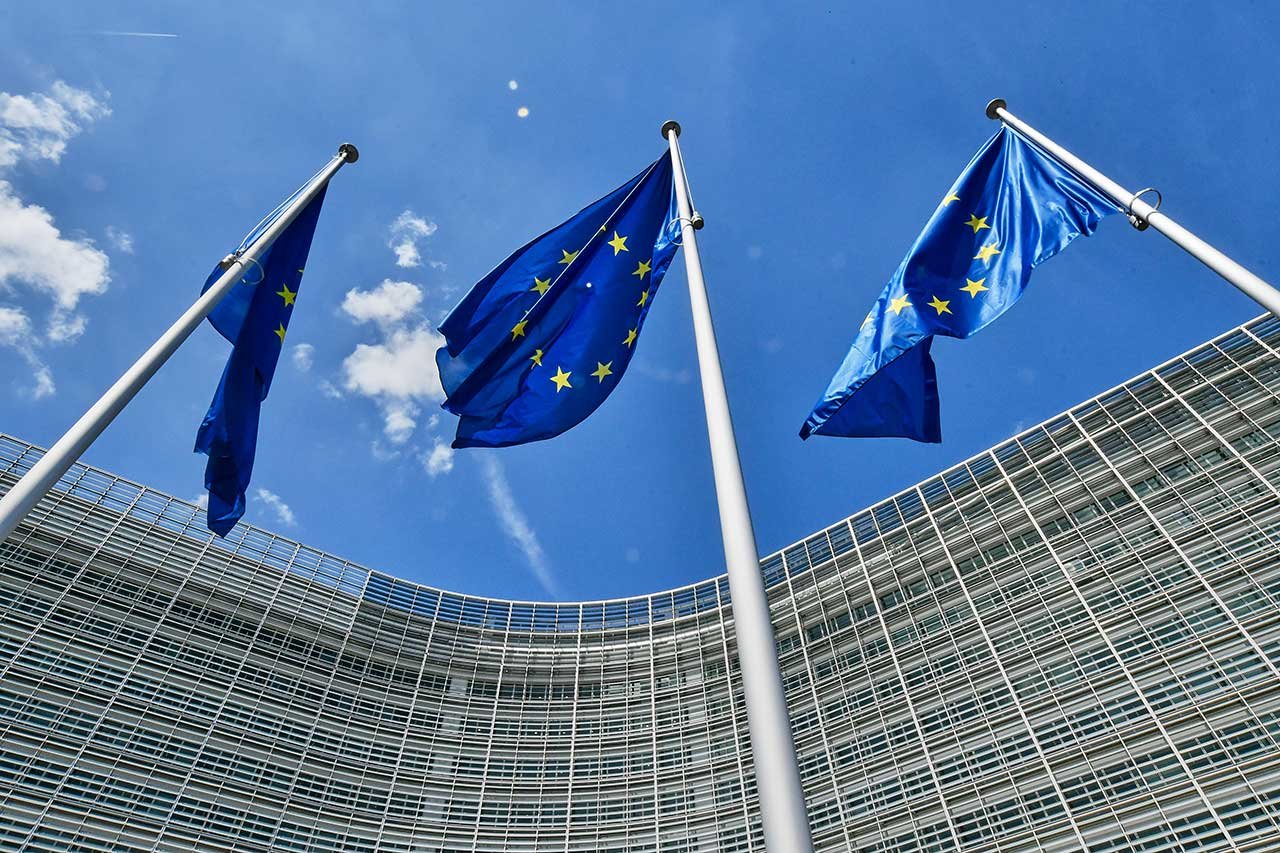
Ireland is a proud and committed member of the European Union. Our resident diplomatic presence since 1980 has always been part of the European family of States. Today we are one of seven resident Member States plus the EU Delegation.
2025 marks fifty years of EU-Zambia diplomatic relations with huge opportunity for the EU and Zambia to build joint partnerships and commitment to shared values.

Every year on 9 May, the EU and Member States mark Europe Day. The month of May allows us celebrate our European unity and cultural diversity with Zambians.

The EU Global Gateway now provides a powerful platform for economic development in Africa. The EU has already been a central partner in transport, water and energy infrastructure development in Zambia.
The Lobito Corridor project, working to upgrade a major infrastructure corridor connecting the Atlantic Port of Lobito in Angola to mineral-rich regions in the Democratic Republic of Congo and Zambia, holds great promise in connecting Zambia to international markets. By taking a 360 degree view, its commitment to human capital development is a central priority. This will remain a priority for Ireland.


Ireland supported semi-state exchanges to promote economic growth in Zambia during the early years of development cooperation. Over the years, Ireland shifted to a stronger focus on inclusiveness in economic cooperation. Today, Ireland recognizes the enormous potential of the private sector to unlock growth but maintains vigilance on inclusive growth.
Examples of Irish Zambian business partnerships
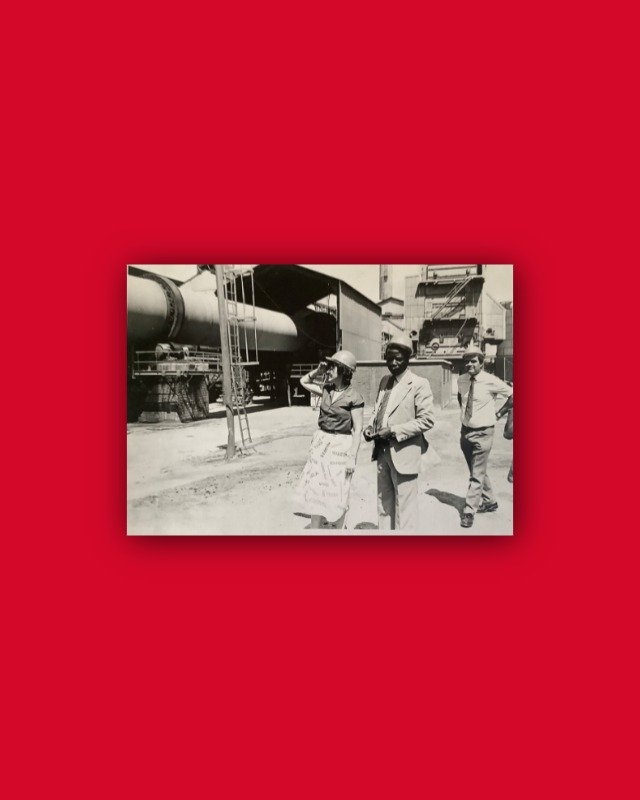
Chilanga Cement
Irish Government support to Chilanga Cement from 1978 to 1994 amounted to €2.6 million. The support, mainly technical assistance, allowed Chilanga cement to become profitable and, following privatisation in the 1990s, the company continues to thrive today as part of the Lafarge Group.
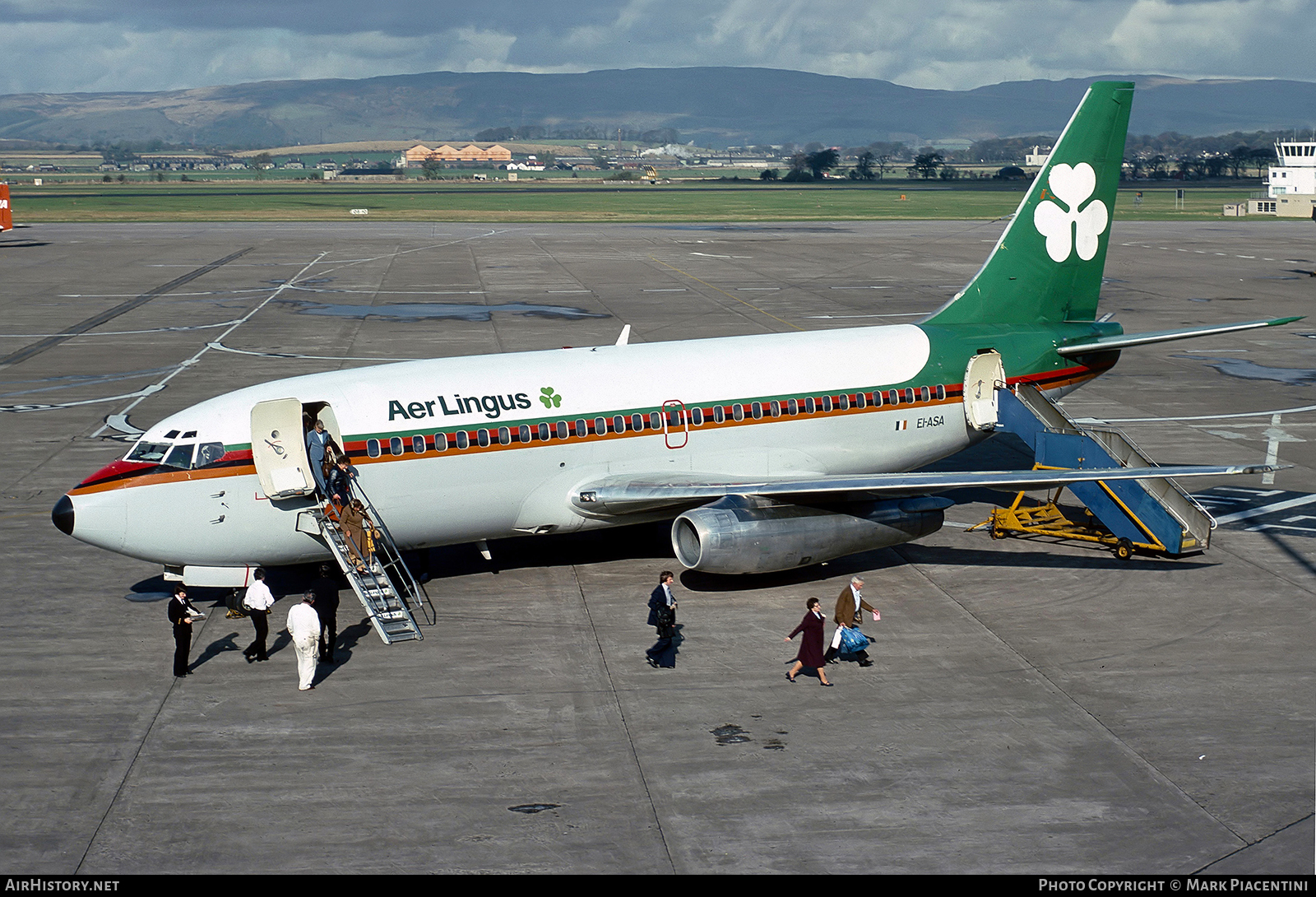
Aer Lingus & Zambia Airways
Aer Lingus managed Zambia Airways from 1975 to 1982. Aer Lingus trained Zambian engineers in Dublin and leased aircraft to Zambia Airways.
Examples of Irish Zambian business partnerships
Chilanga Cement
Irish Government support to Chilanga Cement from 1978 to 1994 amounted to €2.6 million. The support, mainly technical assistance, allowed Chilanga cement to become profitable and, following privatisation in the 1990s, the company continues to thrive today as part of the Lafarge Group.
Aer Lingus & Zambia Airways
Aer Lingus managed Zambia Airways from 1975 to 1982. Aer Lingus trained Zambian engineers in Dublin and leased aircraft to Zambia Airways.
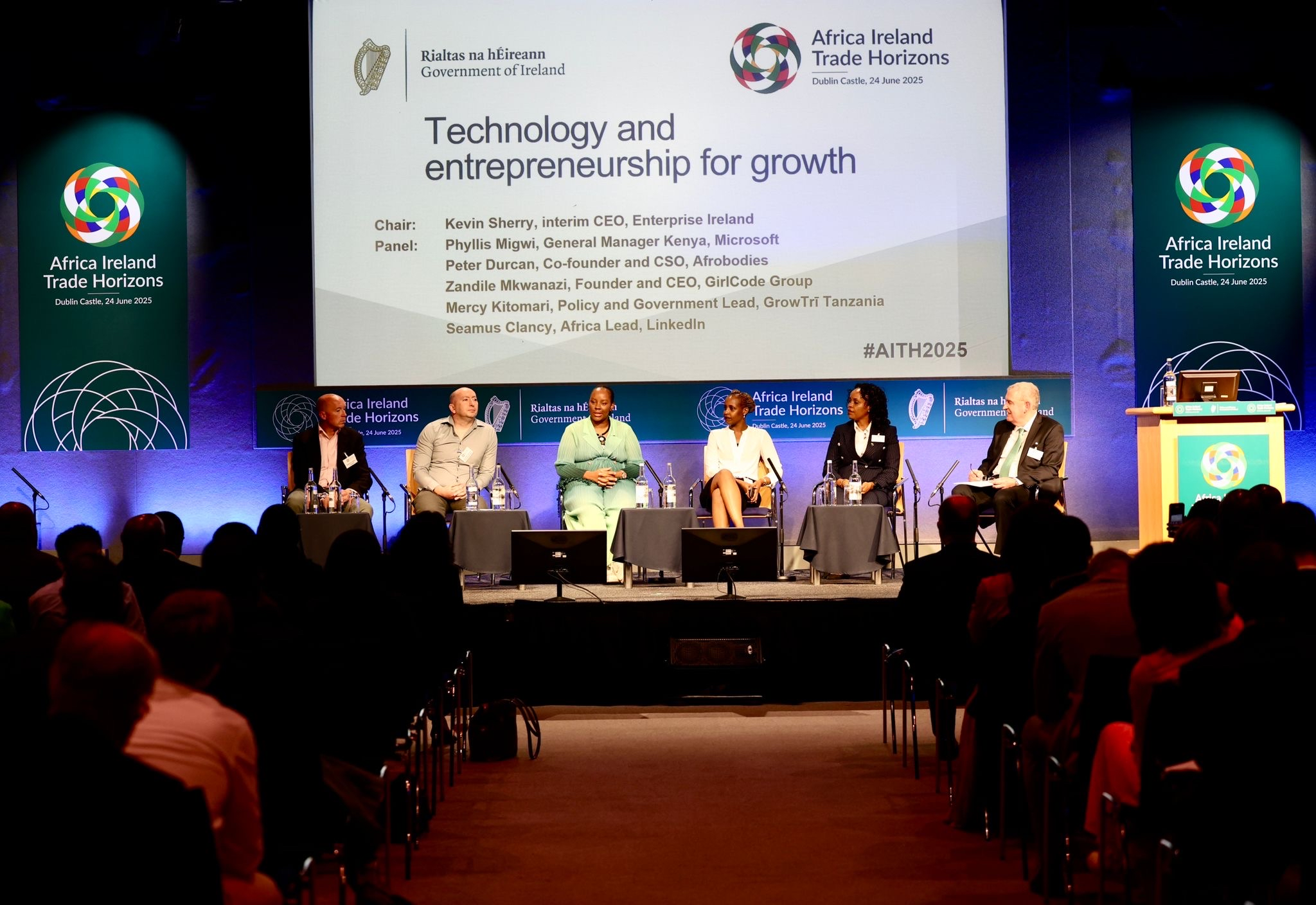
The 2025 Africa Ireland Trade Horizons forum in Dublin brought together the best minds from Africa and Ireland to see the opportunities in agricultural food systems, green energies, digitisation, finTech and the EU`s Global Gateway. The forum highlighted huge potential and the importance of the private sector to drive growth beneficial to all.
Chakanaka
Gerard Carbin left Co Cavan to Zambia in 1989 for work, where he helped build an irrigation project. When the project ended, however, Gerry decided to put down deeper roots in Zambia.
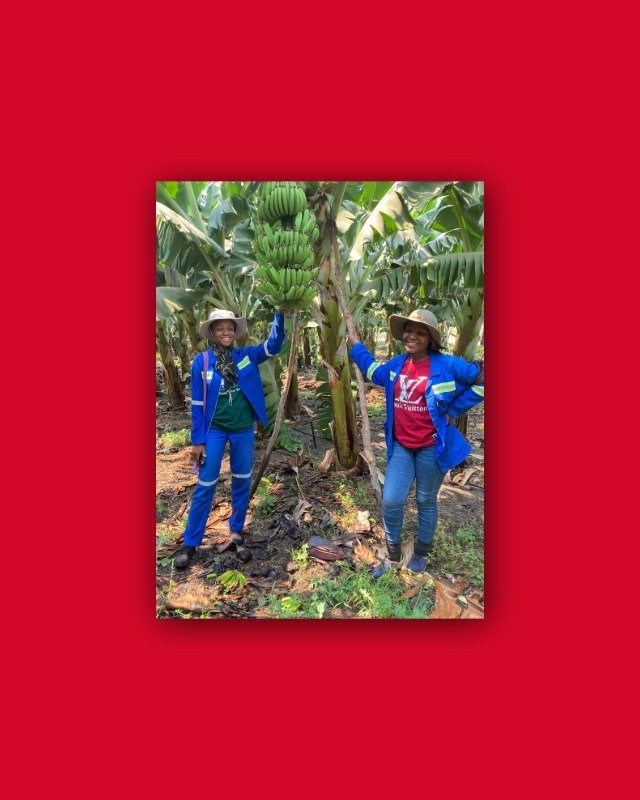
He and his wife Betty started their own farm and company called Chakanaka (meaning “it’s nice; it’s good) located on the Zambezi river. They moved from growing paprika and marigolds to large-scale production of bananas and mangoes.
Chakanaka is currently the largest producer of bananas in Zambia and sold wholly to the local market, including the retail shops such as Pick n Pay supermarket chain. The farm is also well known for its support to local communities.
Chakanaka
Gerard Carbin left Co Cavan to Zambia in 1989 for work, where he helped build an irrigation project. When the project ended, however, Gerry decided to put down deeper roots in Zambia.
He and his wife Betty started their own farm and company called Chakanaka (meaning “it’s nice; it’s good) located on the Zambezi river. They moved from growing paprika and marigolds to large-scale production of bananas and mangoes.
Chakanaka is currently the largest producer of bananas in Zambia and sold wholly to the local market, including the retail shops such as Pick n Pay supermarket chain. The farm is also well known for its support to local communities.

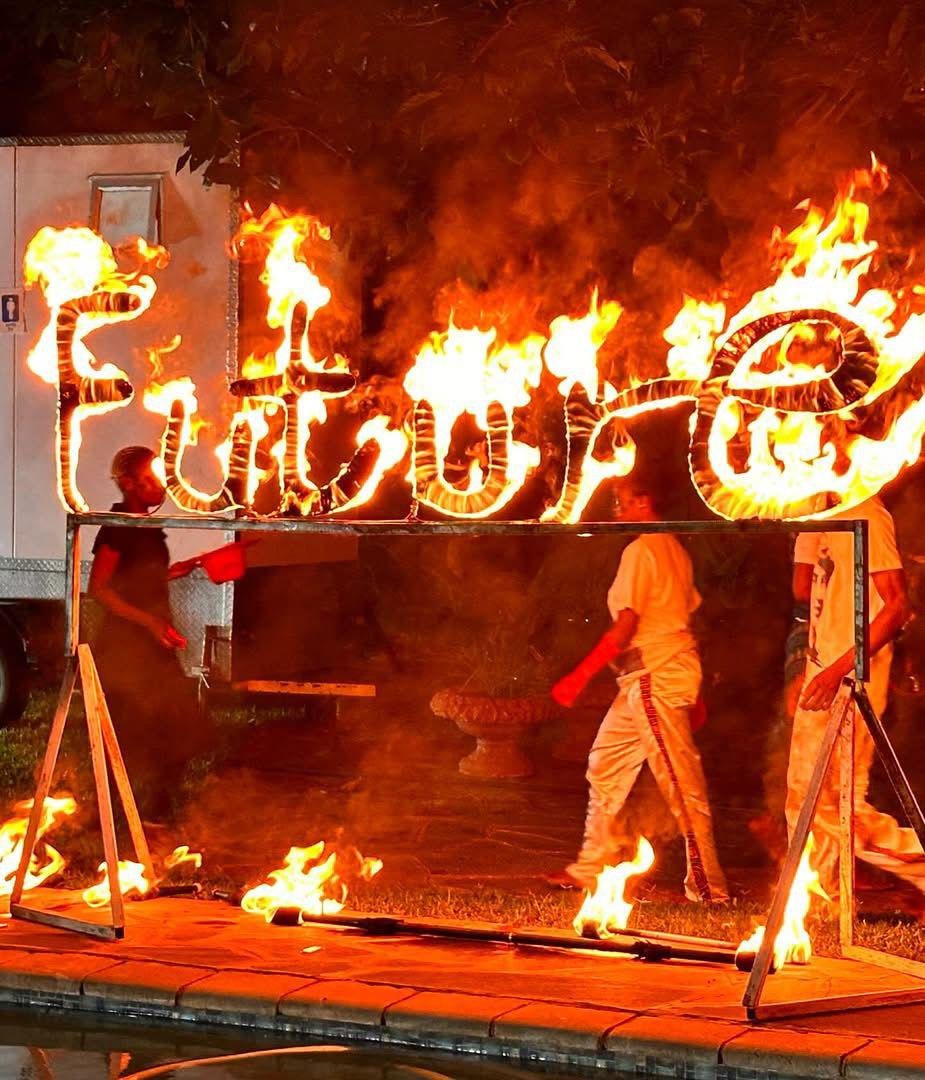
“The relationship between Ireland and Zambia is a connection forged through creativity, trust, and the belief that when young people are given space to express themselves, extraordinary things happen. It is Zambian and Irish cultural diplomacy at its most meaningful”
- Adam McGuigan, Artistic Director Wake the Beast Productions
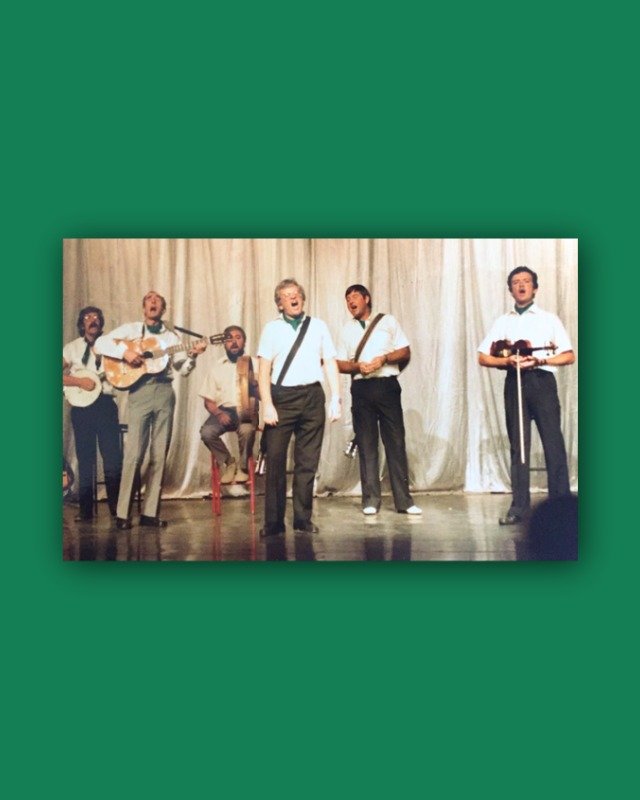
The Kalingalinga Ceilí Band
The Kalingalinga Ceilí Band came first together in 1985 to play at The Wild Geese Society St Patrick’s Day Ball at the Intercontinental Hotel Lusaka.
Thereafter, they regularly performed concerts to support deserving causes in Zambia - Irish missionary projects, Cheshire Homes, the Wildlife Conservation Society of Zambia and the Zambian Flying Doctor Service for example.
The band played a “Live Aid “style concert in Kitwe in 1985 to support the local Childcare and Adoption Society. Sharing vocals, the line up was Chris Kelly (Chilanga Cement) on violin, Fr Pat Faherty on pipes and tin whistle, Marin Murphy on bodhrán, Joe McKenna on guitar, Dave McCabe on guitar and Phil Roberts on guitar and mandolin. Colin Cracknell (banjo) and Ian Dallas (guitar) joined later to replace Joe and Pat.
The Kalingalinga Ceilí Band
The Kalingalinga Ceilí Band came first together in 1985 to play at The Wild Geese Society St Patrick’s Day Ball at the Intercontinental Hotel Lusaka.
Thereafter, they regularly performed concerts to support deserving causes in Zambia - Irish missionary projects, Cheshire Homes, the Wildlife Conservation Society of Zambia and the Zambian Flying Doctor Service for example.
The band played a “Live Aid “style concert in Kitwe in 1985 to support the local Childcare and Adoption Society. Sharing vocals, the line up was Chris Kelly (Chilanga Cement) on violin, Fr Pat Faherty on pipes and tin whistle, Marin Murphy on bodhrán, Joe McKenna on guitar, Dave McCabe on guitar and Phil Roberts on guitar and mandolin. Colin Cracknell (banjo) and Ian Dallas (guitar) joined later to replace Joe and Pat.
Ireland’s relationship with Evelyn Hone College in Lusaka goes right back to the 1980s. Then it was Irish accountancy and business studies lecturers. More recently, Ballyfermot College of Further Education, which has produced no fewer than ten Oscar winners, teamed up with Evelyn Hone to build a Centre of Excellence for the Digital Creative Arts.
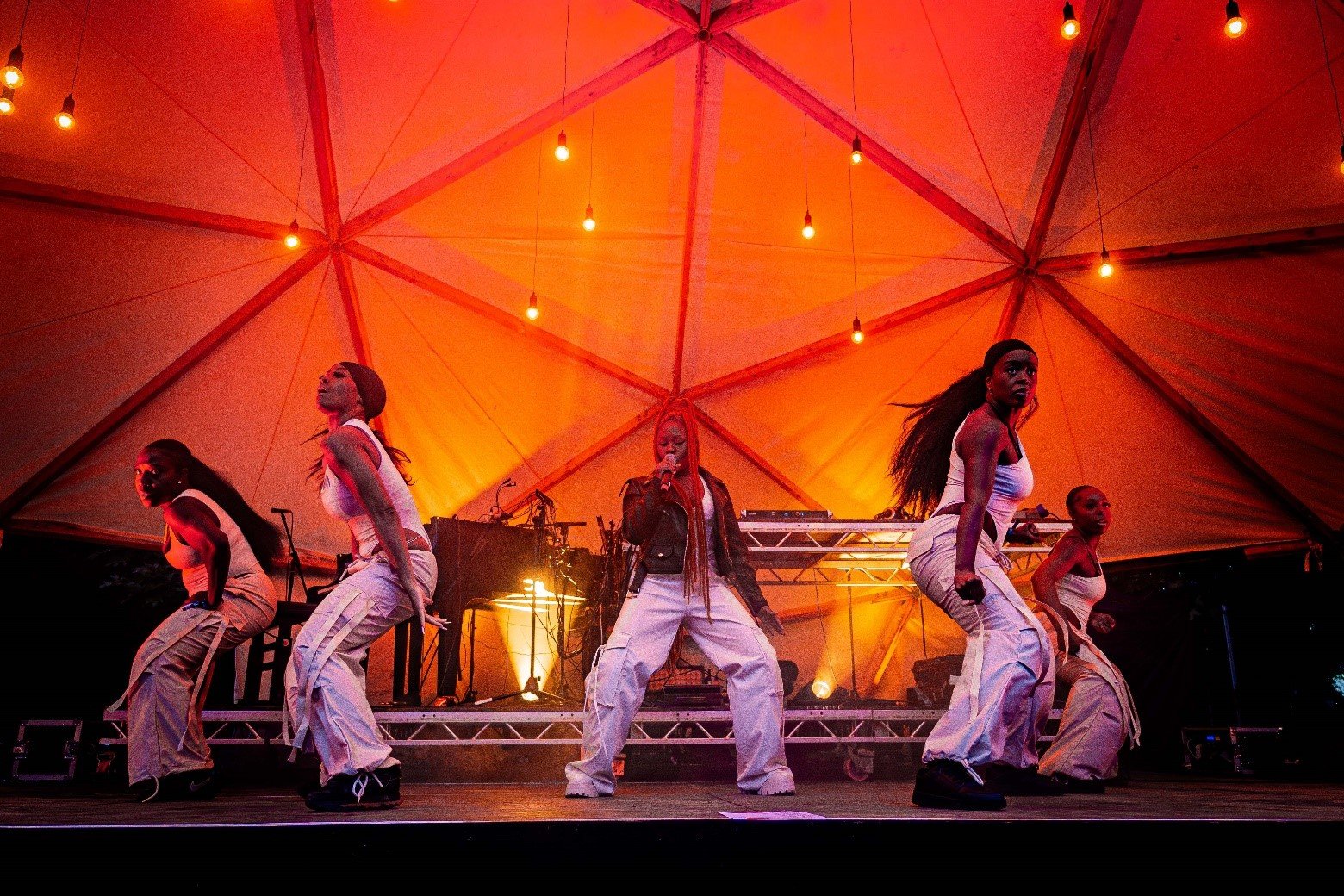
Ballyfermot brought animators from top Irish studios to Zambia in 2025 to share their skills and experience. The vibrant cultural exchange went the other direction in 2024. Top Zambian recording artist Sampa the Great played the Another Love Story music and arts festival. Talented Zambian visual artists exhibited at the Irish Museum of Modern Art in Dublin the same year.
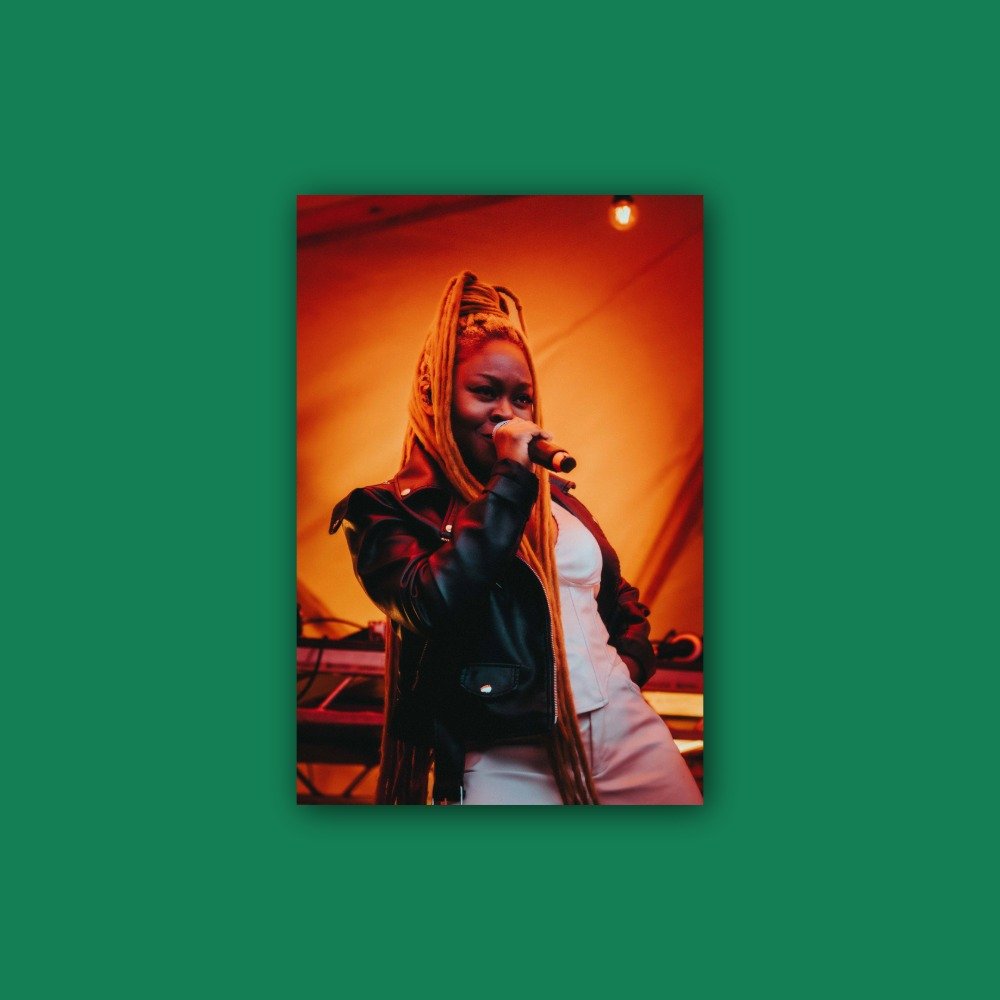
Ireland’s relationship with Evelyn Hone College in Lusaka goes right back to the 1980s. Then it was Irish accountancy and business studies lecturers. More recently, Ballyfermot College of Further Education, which has produced no fewer than ten Oscar winners, teamed up with Evelyn Hone to build a Centre of Excellence for the Digital Creative Arts.
Ballyfermot brought animators from top Irish studios to Zambia in 2025 to share their skills and experience. The vibrant cultural exchange went the other direction in 2024. Top Zambian recording artist Sampa the Great played the Another Love Story music and arts festival. Talented Zambian visual artists exhibited at the Irish Museum of Modern Art in Dublin the same year.
Barefeet Theatre
Barefeet Theatre show how art forms a bridge between Zambia and Ireland. Barefeet was founded by Irish and Zambian artists and a group of young people who shared experience of living on the streets of Zambia and a belief in the power of art for social change. Co-founder Adam McGuigan, understood the power of performance to transform lives from his own upbringing in a post-conflict society. The Irish community in Zambia and the Irish Embassy have been an active part of the journey from the beginning.
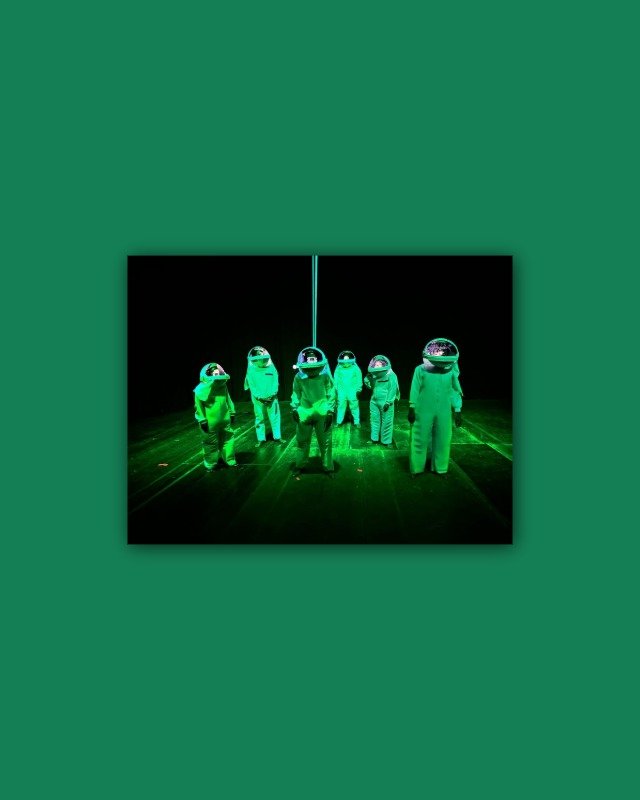
Barefeet has welcomed dozens of Irish artists and educators into its creative world in Zambia. Barefeet performers have likewise toured Ireland frequently, galvanising the Zambian community in Ireland. Lasting friendships led to projects like the international spectacle "Afronauts", which reimagines Zambia’s space race dreams through circus and theatre and "The Black Mountain", which explores environmental degradation in Zambia’s Copperbelt.
Barefeet run an annual Youth Arts Festival and perform at the Embassy’s St Patrick’s Day celebrations.
Barefeet has welcomed dozens of Irish artists and educators into its creative world in Zambia. Barefeet performers have likewise toured Ireland frequently, galvanising the Zambian community in Ireland. Lasting friendships led to projects like the international spectacle "Afronauts", which reimagines Zambia’s space race dreams through circus and theatre and "The Black Mountain", which explores environmental degradation in Zambia’s Copperbelt.
Barefeet run an annual Youth Arts Festival and perform at the Embassy’s St Patrick’s Day celebrations.
Connecting through sport
Zambia and Ireland share a deep love of sport, rooted in community spirit, national pride, and a belief in the power of sport to unite and inspire. In both countries, sport plays a central role in daily life—from local school matches to national competitions—bringing people together across generations and backgrounds. Whether it’s football in Zambia or Gaelic games in Ireland, or a combination of both!, sport is more than a pastime; it is a source of identity, resilience, and joy.
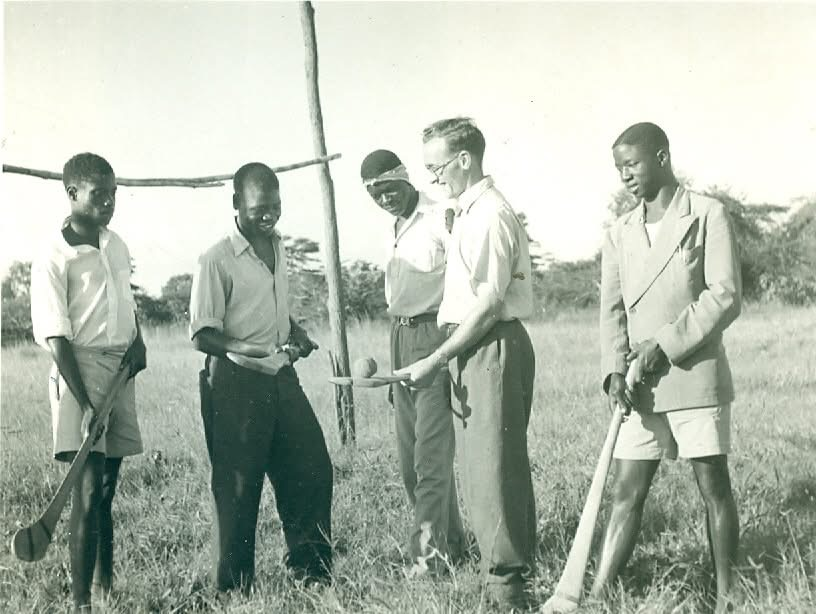
Irish missionaries were early promoters of organised sport in Zambian mission schools, laying the foundation for lifelong engagement in physical activity.
Kini Musalo-Geoghegan, originally from Zambia, is a powerful example of how diversity is enriching Irish sport and community life. Now living in Ireland, Kini has embraced Gaelic games and is helping to bring new energy and perspective. Her participation in the GAA reflects a growing inclusivity within Irish sport, where people from different backgrounds are not only welcomed but are becoming active contributors on and off the field.
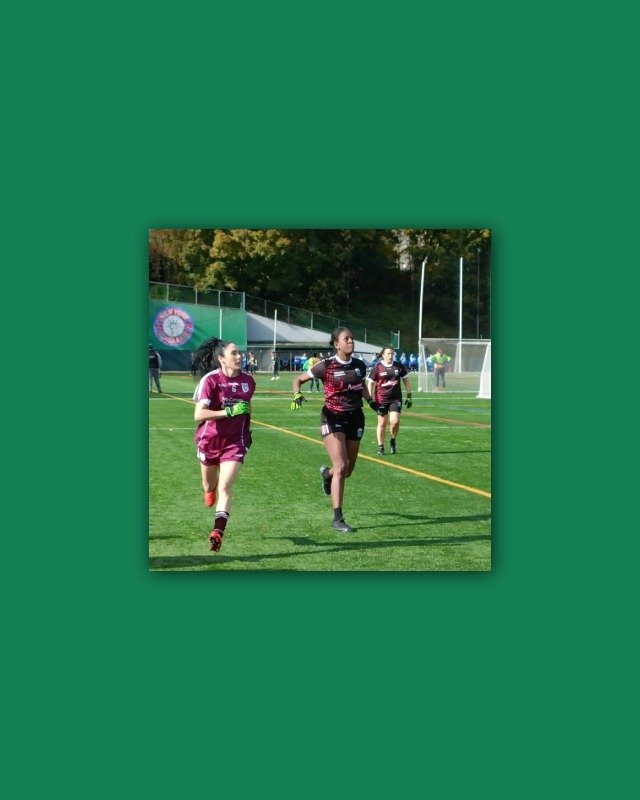
Kini Musalo-Geoghegan, originally from Zambia, is a powerful example of how diversity is enriching Irish sport and community life. Now living in Ireland, Kini has embraced Gaelic games and is helping to bring new energy and perspective. Her participation in the GAA reflects a growing inclusivity within Irish sport, where people from different backgrounds are not only welcomed but are becoming active contributors on and off the field.
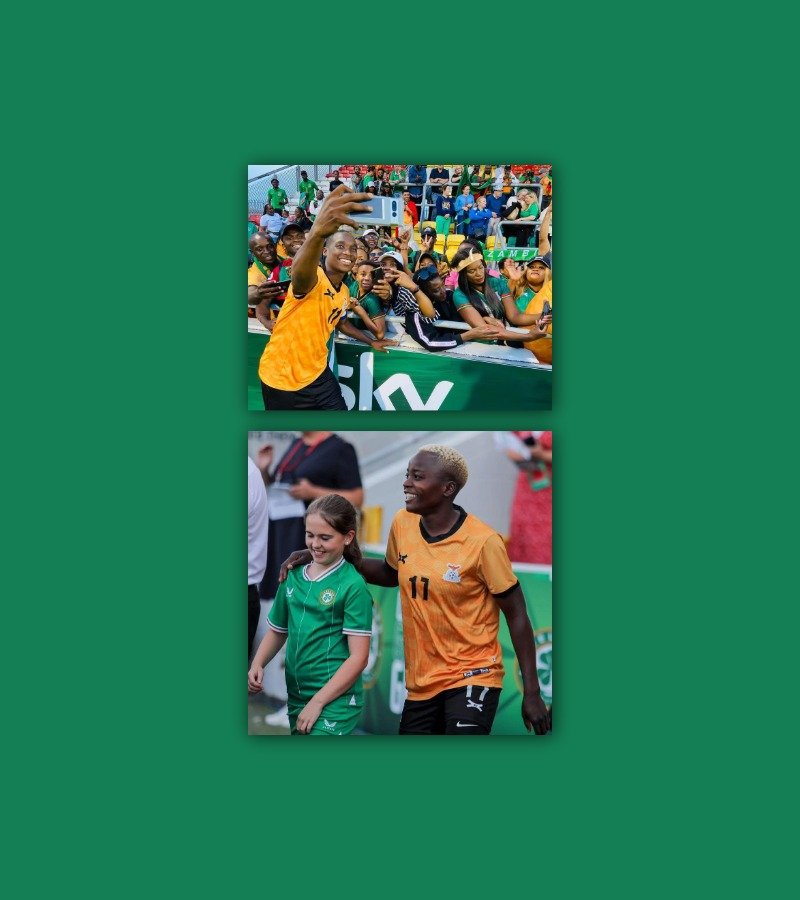
The success of the Copper Queens, Zambia’s national women’s football team, has become a powerful symbol of what girls can achieve through sport. Their rise on the international stage has inspired a new generation of Zambian girls to dream bigger, challenge gender norms, and pursue opportunities in sport and beyond.
The success of the Copper Queens, Zambia’s national women’s football team, has become a powerful symbol of what girls can achieve through sport. Their rise on the international stage has inspired a new generation of Zambian girls to dream bigger, challenge gender norms, and pursue opportunities in sport and beyond.
The Wild Geese Society also hold a GAA sports day, around the time of St Patrick’s Day, known as ‘Paddys Day Out’. A family friendly event which attracts hundreds of people every year, the day see a mini tournament of Gaelic football played, with many teams made up of Irish and Zambian people competing to become the annual winner!
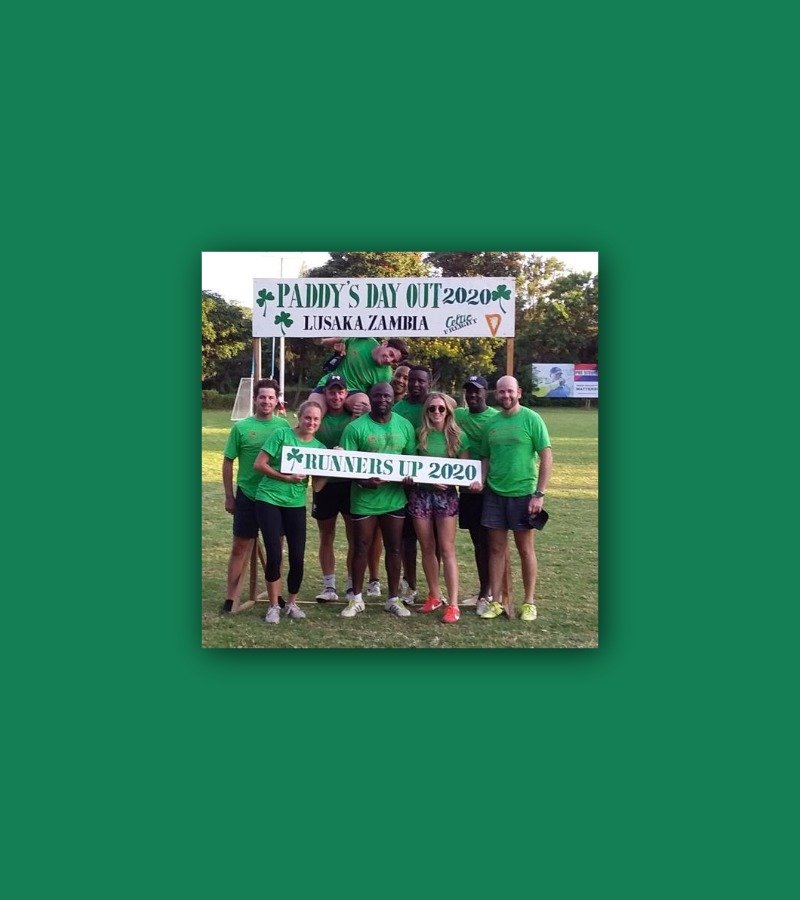
The Wild Geese Society also hold a GAA sports day, around the time of St Patrick’s Day, known as ‘Paddys Day Out’. A family friendly event which attracts hundreds of people every year, the day see a mini tournament of Gaelic football played, with many teams made up of Irish and Zambian people competing to become the annual winner!


Since 1980, none of Ireland`s work in all of the areas showcased here would have been possible without our wonderful Zambian staff. Here are a few of our more recent memories.
