


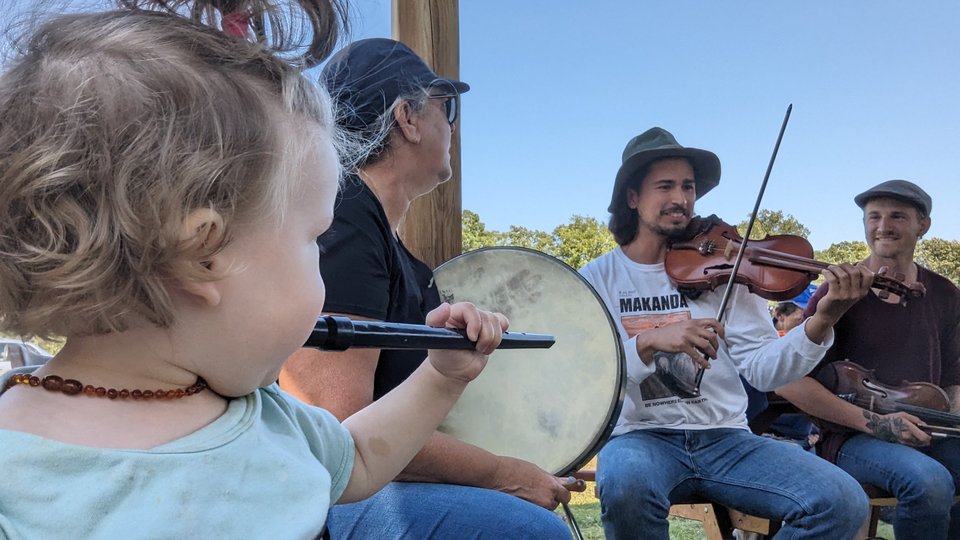
The North American Gaeltacht
The first Gaeltacht outside of Ireland and the story of Irish speakers in Canada
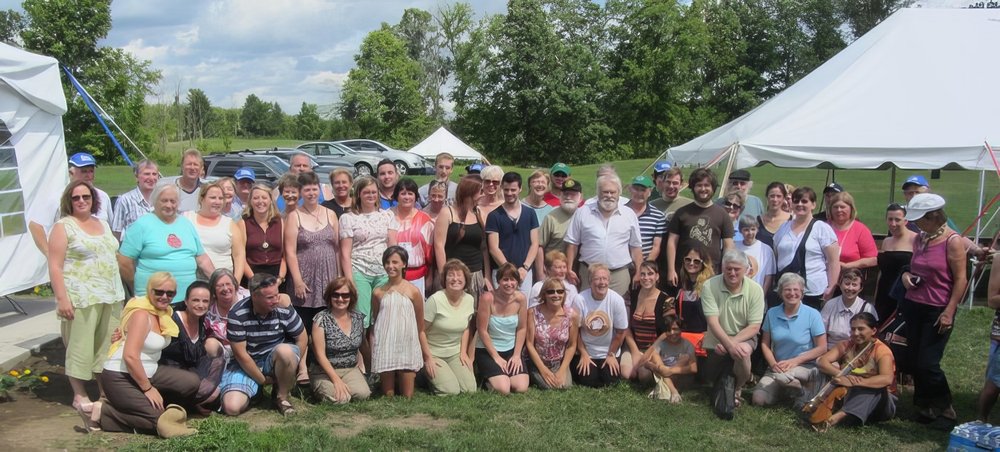
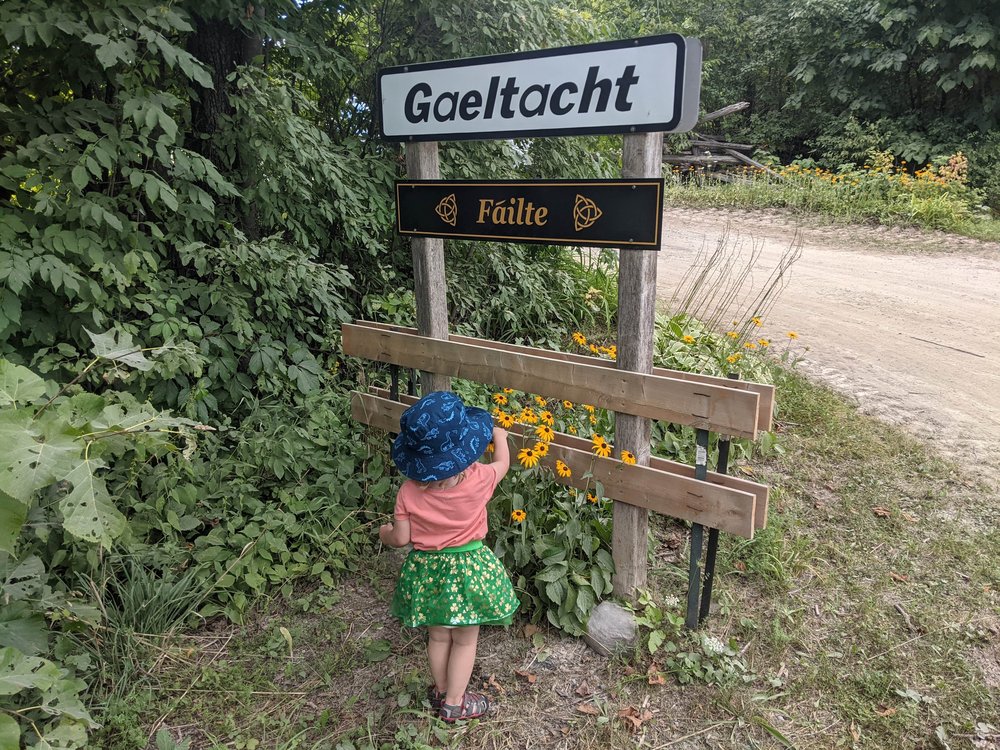
In 2007, the first and only officially sanctioned Gaeltacht [Irish speaking area] to exist outside of Ireland, was established in Ontario, Canada. Known as Gaeltacht an Oileáin Úir, or the North American Gaeltacht, it is located not far from where some of the original Irish emigrants fleeing the Great Famine settled, and that Irish heritage lives on today.
What initially began as small, immersive weekend courses in Irish at a military base and then in a convent, soon became a designated Gealtacht area. “We saved money through the Cumann na Gaeilge here to be able to buy a permanent official property that we could pin to being the Gaeltacht,” says Dónall Ó Dubhghaill, the elected head of the North American Gaeltacht.
Weeklong camps and immersion courses
“We’ve expanded it so the idea is, it is a physical base where everybody can come together. We get 50 to 80 people coming out for a weeklong camp. We try to give people that kind of physical connection to the language that is hard in a North American context, to break out of the ‘I am learning grammar rules, and reading ancient poetry’ into can you make a cup of tea in Irish and do these daily tasks in Irish, and have friends that you only really know through Irish.”
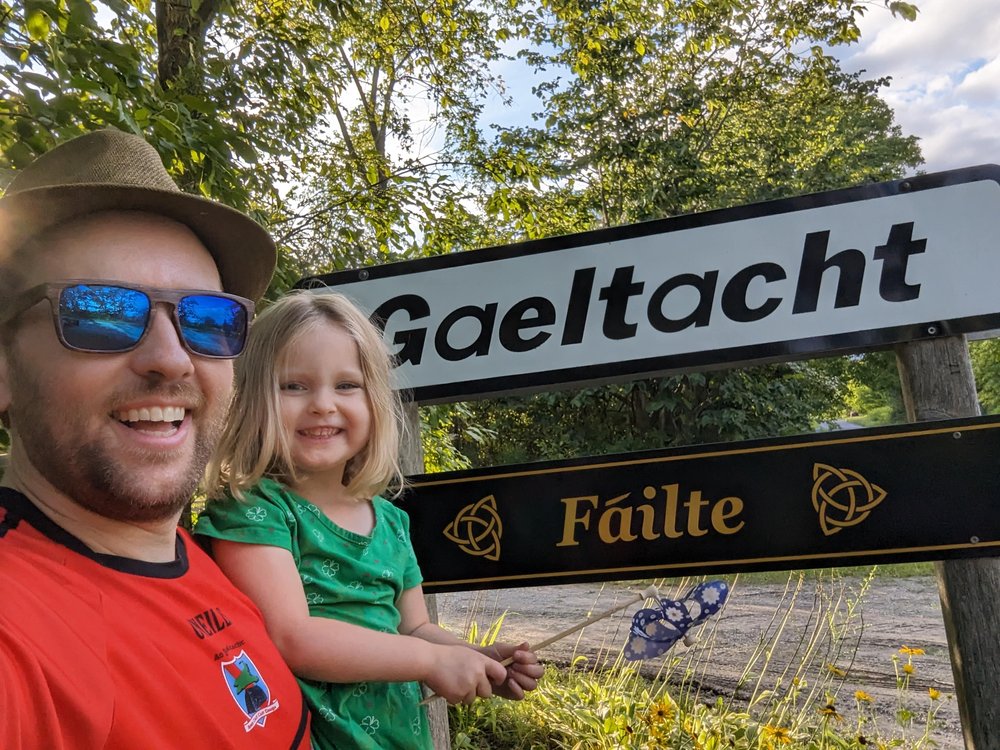
The North American Gaeltacht is a little different to Irish Gaeltacht regions, as it serves more as a cultural space for modern learners and speakers, rather than a year-round community. “Despite being geographically dispersed otherwise, we come together for immersive festivals and live through Irish together. It creates the vital community setting that was otherwise lost in Canada,” he explains.
Connecting to Irish heritage in Canada
Ó Dubhghaill learned Irish in Canada, something his father had encouraged as he grew up, as a way to connect him to his Irish great grandparents. “I did have a chance when I went to the University of Toronto [to formally learn Irish]. There was a two-year program there with a lovely woman from Kerry, that's where I got the majority of my Irish. I had opportunities from that, through scholarships, to go and live in the Gaeltacht in Ireland. And through that, I also then connected with this little community… It was just from a flyer in the basement of the university that I found this group,” he explains.
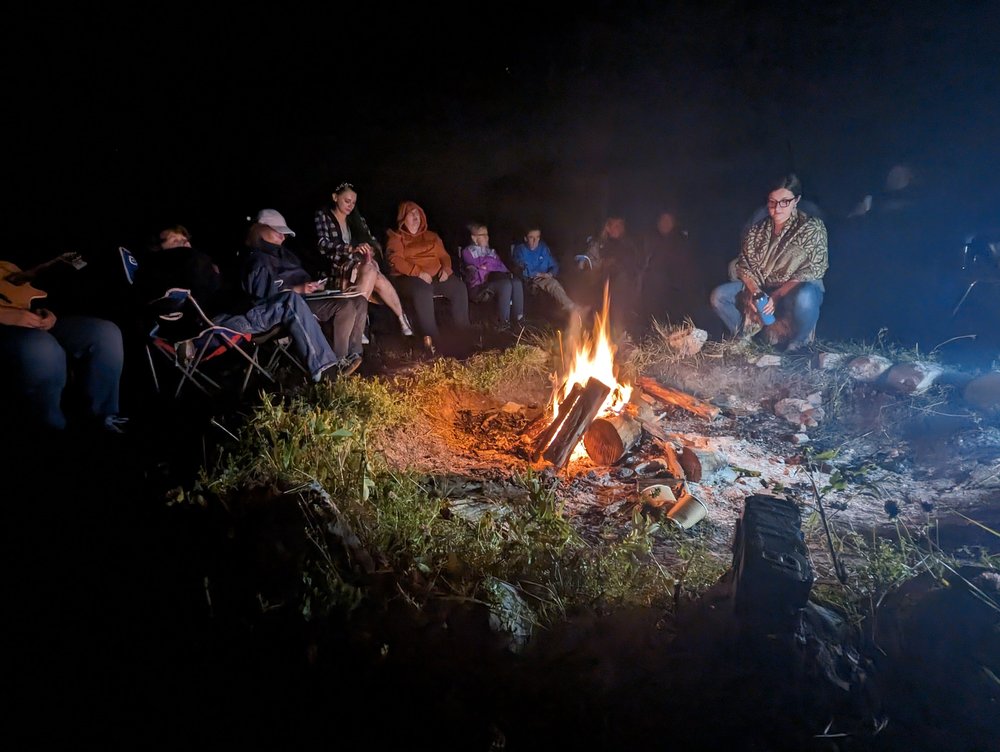
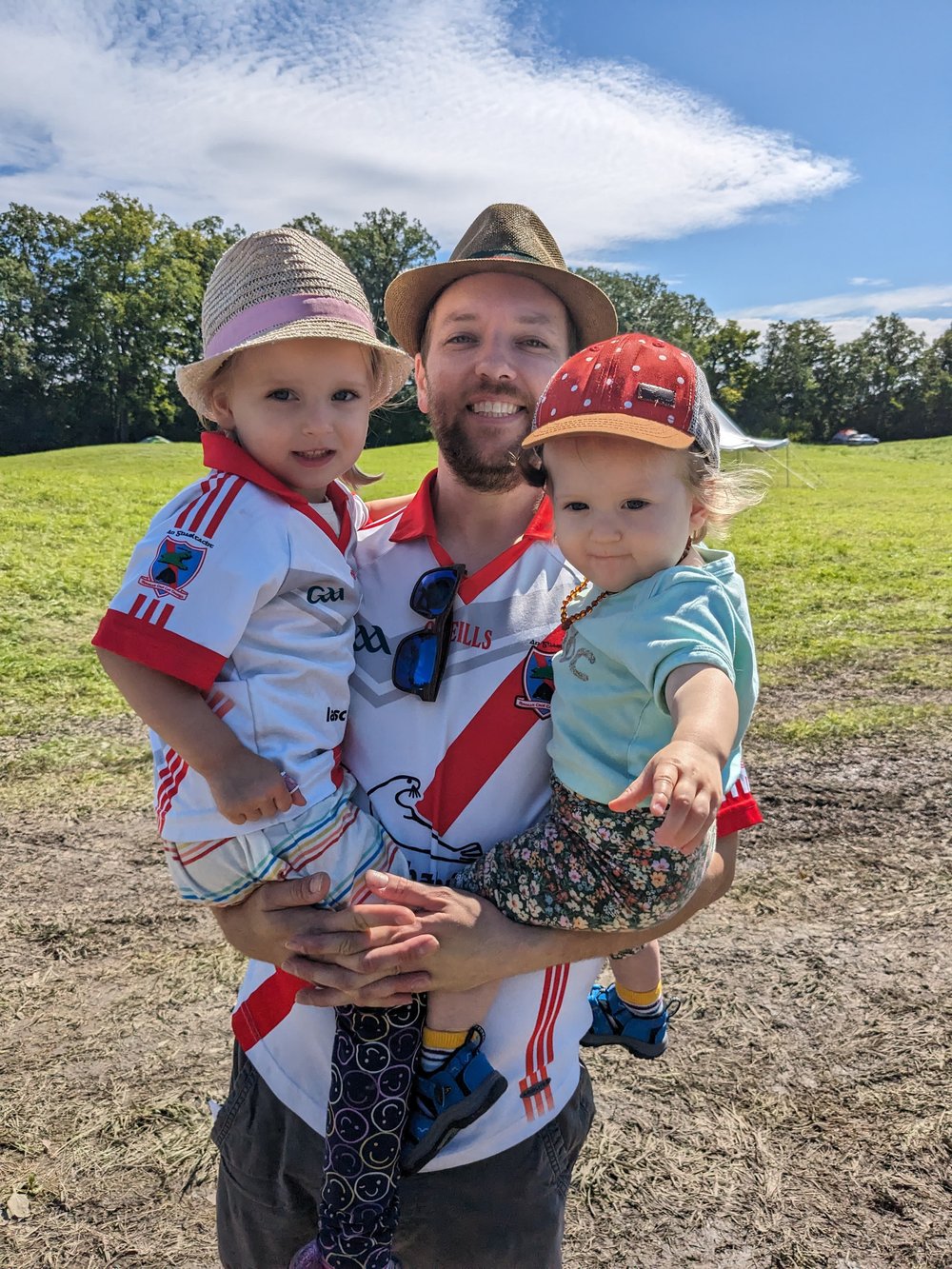
That was 20 years ago, and Ó Dubhghaill is now a fluent speaker who is raising his own children to be fluent Irish speakers, in Canada. “I’ve spoken Irish for more than half my life, and it’s all because of this little tiny group of people that are from all over the place that come together to make a community so we have a chance to speak together and have immersion. It's a really odd and special thing,” he says.
Irish dialects unlocking commitment to the language
The Gaeltacht runs immersion festivals and programmes and online learning events for Irish speakers and those curious about the language. Ó Dubhghaill is now looking to launch more classes, specifically focussed on Irish dialects.
“We are about to launch our first dialect-focused classes, starting with a course dedicated to the Corca Dhuibhne dialect. In my experience, many learners are eager to dive into Irish, but dialects are often presented as an unnecessary complexity rather than a fundamental aspect of the language.
This leads many down the path of learning an artificial lárchanúint (centralised standard dialect), which ultimately hinders progress. After years of study, they often find themselves stuck—unable to follow the radio or television. Connecting learners with a vibrant, living dialect that resonates with them personally not only strengthens their commitment but also provides a clear pathway for progression,” he says.
A long history of the Irish language in Canada
There is a long history of Irish in the region, stretching back far beyond the official designation of the Gaeltacht. Ó Dubhghaill captured some of this history in his book ‘Míle Míle i gCéin: The Irish Language in Canada’, published in 2015 with the support of the Canadian government and Glór na nGael.
When considering publishing a second book, he instead decided capturing oral histories of those connected to the Gaeltacht would provide a more accessible way to tell the story of the Irish in Canada, and also embarked on producing an online history exhibition, presenting the first historical anthology of works composed in or about Canada.
“When I went into this research, I had a professor that was adamant the Irish language was never spoken here,” he explains. “The fact that I can sit and read through school books, and go back into the old newspapers and census data so we can say, ‘Look, we were here as [Irish] speakers, we listed ourselves as speakers, we know the language was here’… What I've done with this project is an abbreviated version of the history. I’ve collected as many of those original oral compositions as I can, transcribing them, modernising the Irish and adding English translations.”
An enduring legacy with huge impact on Canada
The digital exhibition that has resulted from Ó Dubhghaill's research is available now on the North American Gaeltacht’s website. Exploring the enduring legacy of the Irish language and its impact on the Canadian landscape, the exhibition, which is available in English, Irish and French, tracks how the Irish language’s presence in Canada has evolved through time.
“I’m building on the historical research of coming into this [Gaeltacht] organisation seeing it as a very, very important community, and educational resource. They [Canadians with Irish] have always been passionate about their language and trying their hardest here in Canada to promote it, to teach it, to preserve it. We want to document the people we still have right here today, speaking Irish, and make this much larger narrative beyond the idea that we were a group of people that came together in 1996, and bought some farmland that would become the Gaeltacht.
Instead, it’s clear this is something that has existed as part of the cultural fabric of Canada since the foundation, and it's not going away. This is our documented history. If you are Irish, Canadian, or even just somebody who's interested, come and you will find all of the historical and modern pieces that will describe anything under the sky about our connection here,” he says.
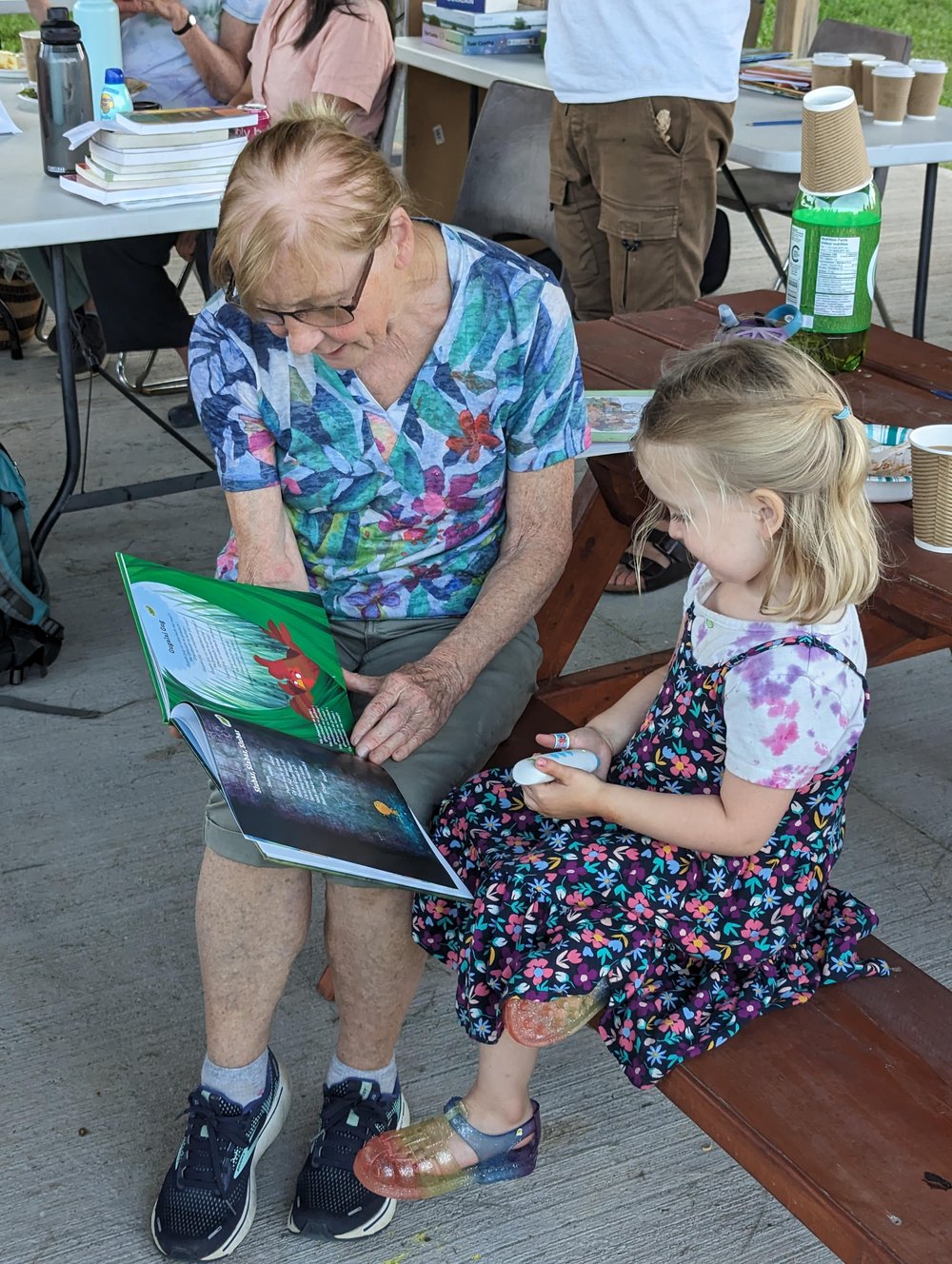
Ó Dubhghaill believes this project has already and will continue to have a lasting effect on learners: “This project has helped to illuminate a rich but largely overlooked linguistic legacy and, for the first time, has made these pieces widely accessible. More importantly, it has become a teaching resource for our Gaeltacht—allowing us to incorporate local material into our classes, rather than relying solely on poetry and stories from Ireland. This shift has had a profound impact,” he explains.
100s of stories of the impact of the Irish language
He has collected over 100 stories and compositions that tell the stories and show the impact the language has had on the community. “It is stories like Brian Ó Baoill in the 1960s, who immigrated to Canada, and the very first thing he hears on the radio is an announcement in the Irish language for a céilí.
And he goes, and it's this whole room of young people, and they decide that they want to organise Irish language lessons. So there's always been that undercurrent, wherever the Irish went around the world, you will find at least one person who is adamantly in love with Irish and will do anything in their power to promote the Irish language.”
A cúpla focal go a long way
Ó Dubhghaill believes this is something that lives on amongst Irish immigrants and those with connections to Ireland today. Irish people continue to want to use their cúpla focal [few words] and to learn more, even abroad. He feels the pandemic has only helped foster avenues for this appetite to grow further. “What I see, especially since the pandemic, is this opening of the online sphere, where we can connect with each other, like in our Gaeltacht, but on a more global scale.
We are taking these people who are isolated in terms of having others to speak in Irish with, and tying them into a community. After the pandemic, I have friends in Corca Dhuibhne [in Co Kerry in Ireland] that now I can Skype with them, and we can chat. I can check my pronunciations and I can say, ‘Oh, my daughter fell down and I didn't know what to say to her, what would you say?’,” he says.
Making language learning part of your daily life
From years of running Gaeltacht courses and learning Irish alongside his community, Ó Dubhghaill believes speaking Irish, whether in person or online, is one of the most effective ways to make it stick. “The life of the language is in the speaking, you can't learn only from a book. It can be uncomfortable, and it makes you feel like a little child, and you're gonna make mistakes.
The most effective way is to find a specific element of your life that you would like Irish to live in, to start with. So if you really like bird watching, you're gonna go out and you're gonna learn the names of the birds and try to identify them. If you like cooking, if you like sport, whatever it is, that it's a really good way to start the idea of just putting a little flourish of Irish into your life. Try connecting it into your interests. And once it's connected into your interests, see how it naturally grows in your life,” he suggests.
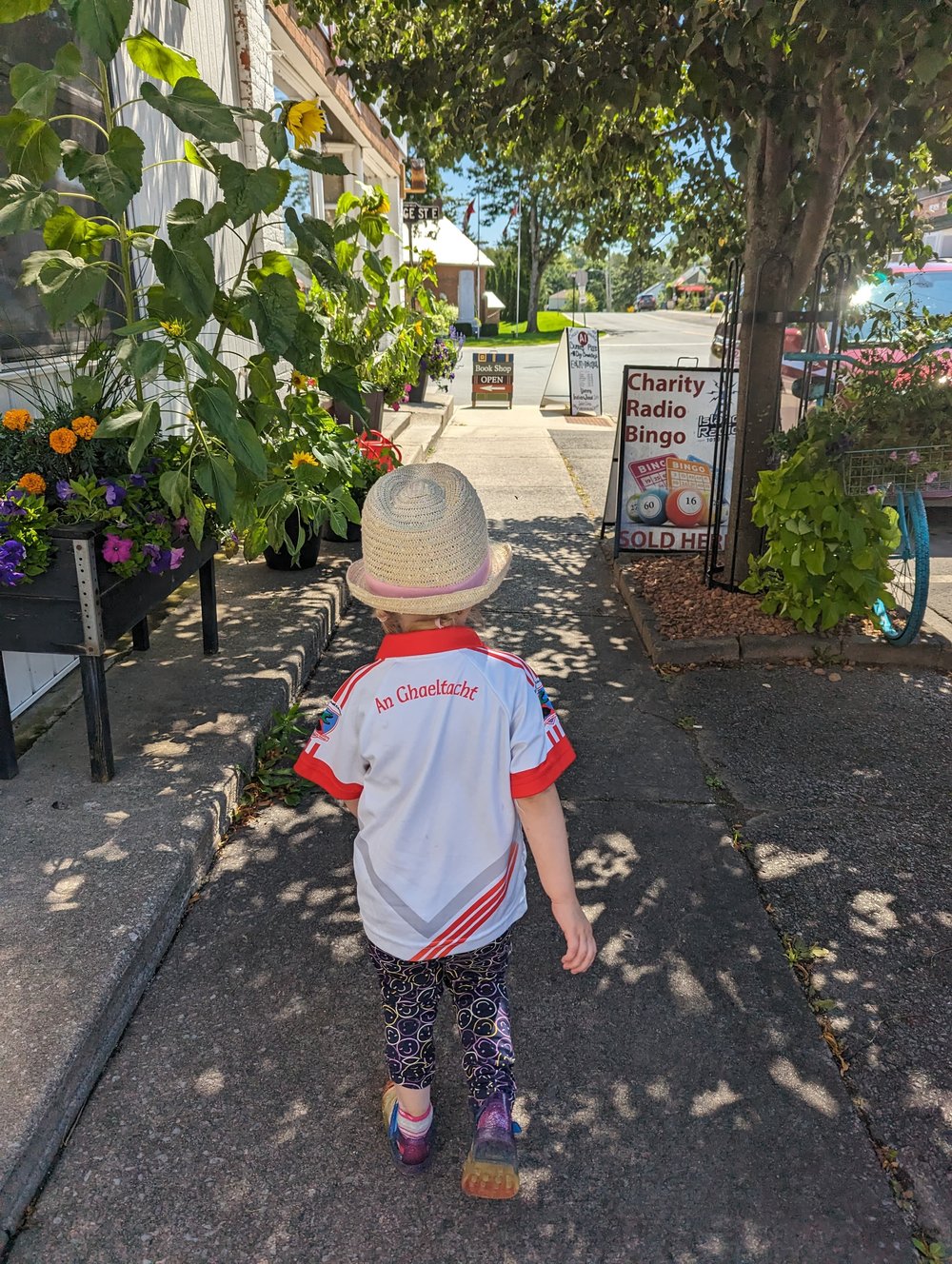
It’s something that he feels he has gained endless positivity from in his own life, and through the Gaeltacht and through projects like the oral history initiative and historical exhibition, he hopes to encourage more people who may have curiosity about learning or improving their Irish, to give it a try. “Try to work it into your everyday life in a way that isn't forced, in a way that you find joy with.
Because if you find joy in Irish, it will just keep giving you more and more joy and keep reflecting it back. It's an endless pool of joy and just beauty and flexibility. And if there is any part of you that would like a little of that in your life, know that we're living in an age where those opportunities are all around us on a level that they have never been before, so just start,” he says.
Explore the digital exhibition on the Irish language in Canada here or to connect with the North American Gaeltacht, visit their website and discover upcoming events and immersion courses.