


8 little known Irish influences on Japan
Irish people have been traveling to Japan for many years, making an important contribution to modern Japan and bringing with them a little bit of Ireland.
Did you know that hockey was introduced to Japan from Ireland, or that Ginza was designed by an Irish man? Or that the Iwakura Mission drank Guinness in Dublin and that Koizumi Yakumo was Irish?
Read on to learn about the many historical contributions Irish men and women have made to Japan.
Irish sailor visits Kyushu
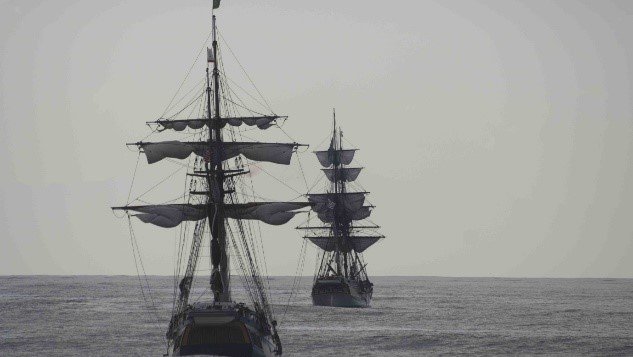
The oldest record of an Irish person visiting Japan dates back to July 1704, when an Irish sailor, Robert Jansen, was seized off the coast of Kyushu.
Jansen, who was from Waterford, and five companions had escaped from the Dutch East India Company in the Philippines and set sail in a small boat hoping to reach Canton. The six were taken prisoner by the Satsuma clan near a small island off the coast and were held in Kagoshima for several days before being transferred to Nagasaki.
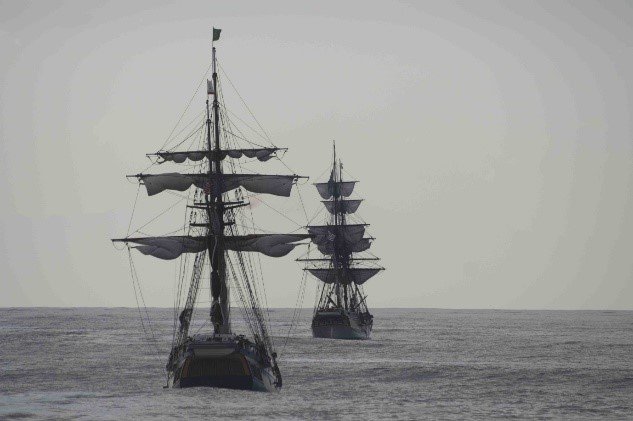
This was the period of Sakoku, or the chain policy, when Japan closed its doors to the outside world. Jansen and the others were suspected of being Portuguese missionaries and were held until November 1704 before they were finally released and allowed to join a Dutch ship bound for the city of Batavia (present day Jakarta) in the Dutch East Indies.
The Iwakura Mission
The celebrated Iwakura Mission visited Europe and the United States from 1871 to 1873. During their stay, the deputy leader of the mission, Takayoshi Kido and other members visited Dublin on 3 December 1872.
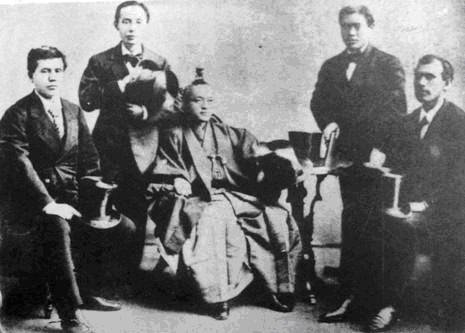
We do not know much about their impressions of Ireland but we do know that they visited the famous Guinness brewery where they tried a pint of Guinness – just like the many thousands of Japanese tourists who visit Ireland every year today.
It is possible that this visit to Dublin was the first by a representative of the Japanese government to Ireland.
Irish people in Japan
Alongside these key moments in Irish Japanese relations, there were people who made lasting and strong links through the connections they built and impact of their work in Japan. From missionaries to musicians or sportsmen to educators, these are some of the Irish people who made lasting impacts in Japan.
Lafcadio Hearn
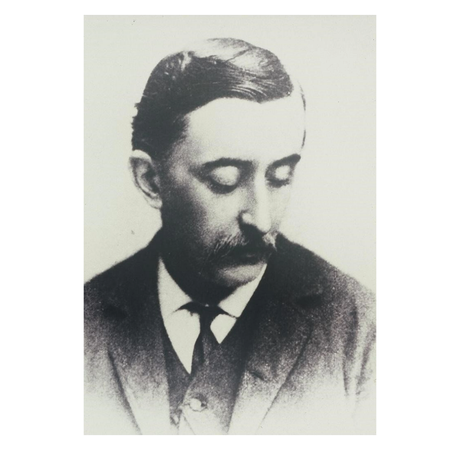
Lafcadio Hearn, or Koizumi Yakumo in Japanese, is perhaps the most well-known Irish person in Japan. He was born in 1850 in Greece (hence his first name), the son of an Irish father and of a Greek mother.
As a very young child, he was brought to Dublin and raised by an aunt. In 1890, he first travelled to Japan on an assignment for a magazine and spent the remaining 14 years of his life there, marrying a Japanese woman, taking out Japanese citizenship under the name Koizumi Yakumo and became Professor of English Literature at the Imperial University of Tokyo.
Hearn is celebrated today for his scholarly works on Japanese society and tradition which brought to a foreign audience for the first time the riches of Japanese culture. The Centenary of Hearn’s death was celebrated in Ireland and Japan in 2004.
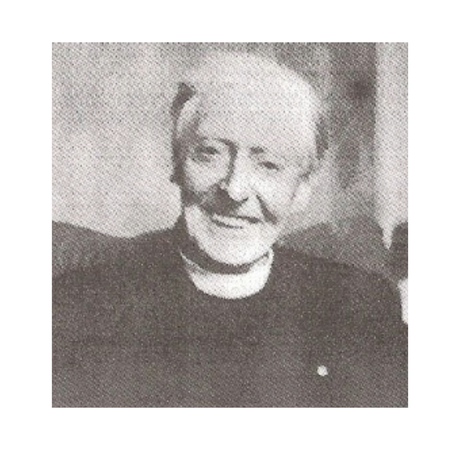
Father of Japanese Hockey - Revd William Thomas Grey
The Irish are passionate about sport and an Irishman, Revd William Thomas Grey, introduced hockey to Japan in 1906.
Born in 1875, Grey left Ireland for Tokyo in 1905 to work as a missionary. A keen student sportsman in Dublin, where he was a member of the Trinity College hockey team, starting in 1906 Revd Grey taught students at Keio how to play hockey and from this introduction the modern sport of hockey in Japan developed.
Grey remained at Keio for 12 years, before returning to Ireland. He died in 1968 and is buried in Dublin. He is still highly respected as “The farther of Keio/Japan Hockey”. The centenary of Japanese hockey and its Irish roots was celebrated in 2006.
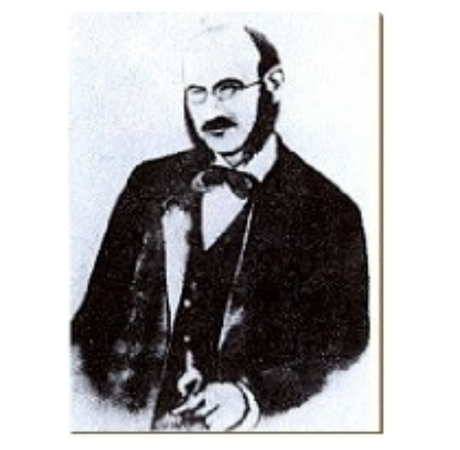
John William Fenton
An Irishman, John William Fenton, penned the music for the first version of the Japanese national anthem, the Kimigayo.
Fenton, who was born in Kinsale in 1828, came to Japan as a bandmaster with the British army in 1868, the year of the Meiji Restoration.
The following year, he began training a brass band for the Satsuma clan which became Japan’s first military band. When this band first played in front of the Emperor Meiji, Fenton hastily composed a ceremonial melody to accompany the poem “Kimigayo”.
Over time, this became accepted as the national anthem, although the current score is different from Fenton’s original version.
Fenton is also known as the father of brass band music in Japan and is celebrated for his musical contributions to Japan.
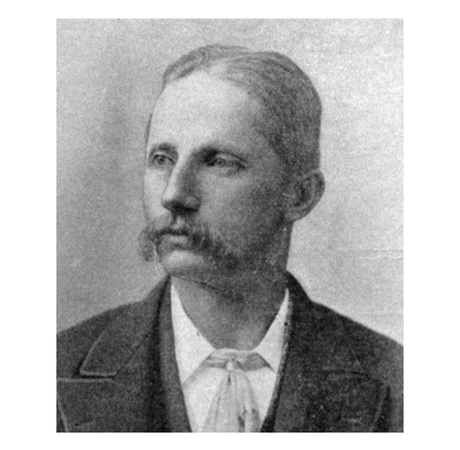
Thomas James Waters
Ginza is famous for its bright lights, up-market shopping and for its high real estate values. But did you know that the current street plan was designed by an Irishman?
Born in Birr, County Offaly in 1842, Thomas James Waters came to Japan in 1864 and stayed until 1877. When Ginza was devastated by fire in 1872, the government asked Waters to design and build a new, modern street plan.
The resulting grid-like plan remains to this day and the two-story Gregorian brick buildings, influenced by the architecture of the Irish capital, Dublin, changed Ginza from a traditional Edo-style town into a symbol of “civilization and enlightenment” in the Meiji Era.
Waters is remembered as an accomplished engineer and architect who contributed to the modernization of Japan.
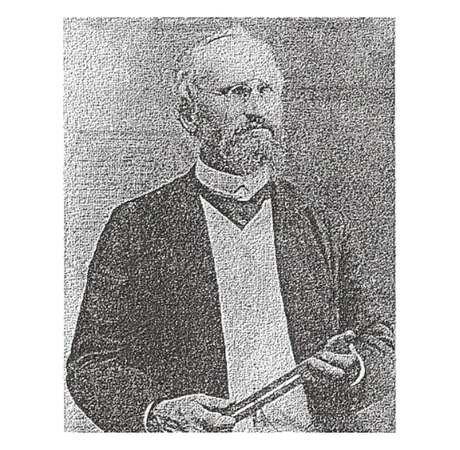
Charles Dickinson West
The Irish contribution to engineering in Japan is long and distinguished. Most well known is Charles Dickinson West, who became a respected expert on mechanical and naval engineering at Tokyo University in the Meiji period.
A Dubliner, West was born in 1847 and arrived in Japan in 1882 to teach engineering and naval architecture. West played a key role in the establishment of Tokyo University’s Engineering School where he had a distinguished teaching career.
He stayed in Japan for 25 years until his death in 1908. His bronze bust can be found on the Tokyo University’s campus and his memory is celebrated by the Japan Society of Mechanical Engineers as one of the fathers of Japanese engineering.
Missionaries and educators
Hundreds of Irish nuns and priests have lived, work and taught in Japan since they first arrived during the early Meiji period. They have made a particularly valuable contribution in the field of education, and as a result generations of Japanese young people have been taught by Irish missionaries over the past 130 years.
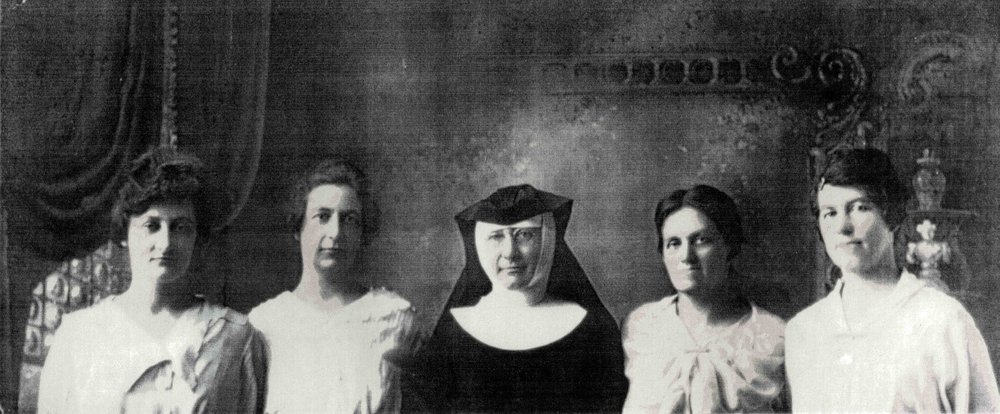
Some Irish nuns and priests chose to remain in Japan during the second world war to bring comfort to their communities. Just after the war, a great number of Irish missionaries came to Japan to work alongside their adopted countrymen and women in beginning the slow process of rebuilding their society.
Their work continues to this day in towns and cities throughout Japan.