

Irish design's global imprint
Irish creativity has long travelled far beyond Ireland’s shores, from innovative engineering in Sydney, to contemporary websites in Paris and hand-drawn style animation watched by millions worldwide. Irish designers continue to shape global culture by staying curious and connecting function to form.
Here are twelve examples of Irish design that are human-centred, imaginative and connected to place.
Peter Rice
Visionary engineer behind iconic buildings
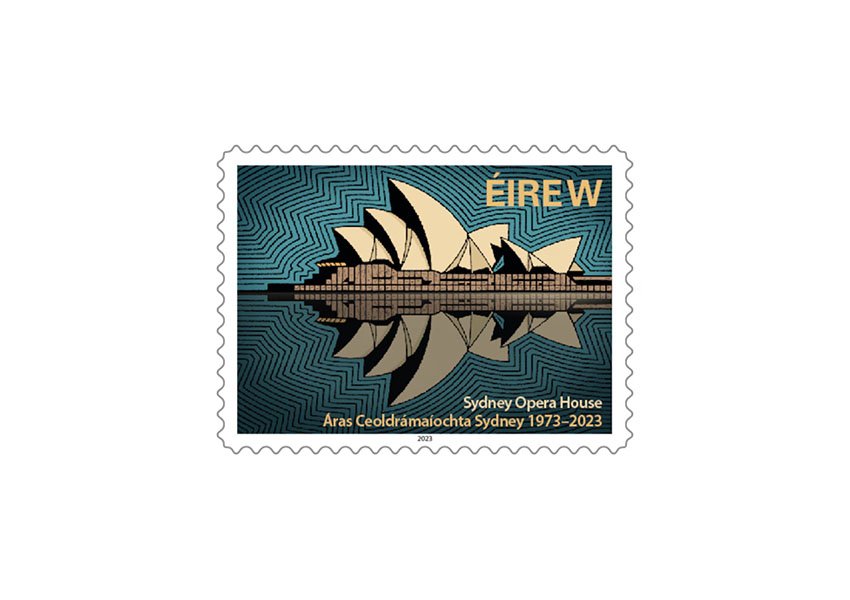
Peter Rice transformed the possibilities of modern architecture. A structural engineer known for his creativity, Rice helped realise three of the 20th century’s most important buildings: the Sydney Opera House, the Centre Pompidou in Paris, and London’s Lloyd’s Building.
At a time when computers were only emerging as design tools, Rice pioneered the use of advanced digital modelling on the Sydney Opera House project, enabling its now-legendary sails to stand. His work on slender, lightweight structures continues to influence global engineering today.
His legacy was celebrated in Ireland in stamp form: An Post launches stamp honouring Irishman who made the Sydney Opera House a reality – The Irish Times.
Peter Rice
Visionary engineer behind iconic buildings
Peter Rice transformed the possibilities of modern architecture. A structural engineer known for his creativity, Rice helped realise three of the 20th century’s most important buildings: the Sydney Opera House, the Centre Pompidou in Paris, and London’s Lloyd’s Building.
At a time when computers were only emerging as design tools, Rice pioneered the use of advanced digital modelling on the Sydney Opera House project, enabling its now-legendary sails to stand. His work on slender, lightweight structures continues to influence global engineering today.
His legacy was celebrated in Ireland in stamp form: An Post launches stamp honouring Irishman who made the Sydney Opera House a reality – The Irish Times.
"To create, one must first question everything.”
Eileen Gray
Eileen Gray
Designer and architect
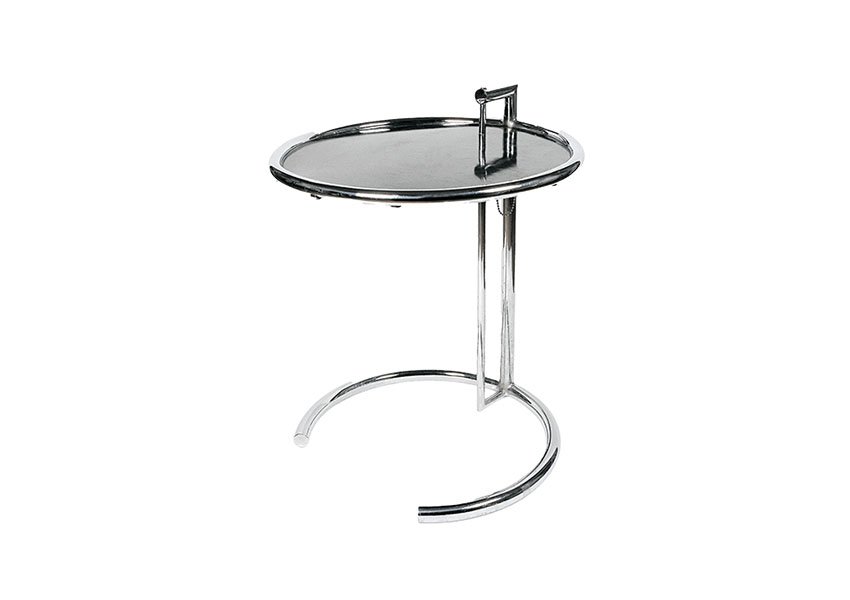
Architect, designer, and innovator Eileen Gray brought a radical new vision to 20th-century living. A pioneer of lacquer work furniture design and later architecture, she declared: “To create, one must first question everything.”
Moving to France in 1906, she later opened her own shop (1922), Galerie Jean Désert in Paris, using a masculine pseudonym to overcome gender barriers selling furniture and carpets.
Largely self-taught in architecture, Gray designed her own homes to test new ideas around space, form and material, pushing modernism in deeply personal directions.
Her work balanced functionality with elegance: the adjustable side table, the nautically inspired Transat chair, and the non-conformist chair remain recognisable icons of modern design.
Eileen Gray
Designer and architect
Architect, designer, and innovator Eileen Gray brought a radical new vision to 20th-century living. A pioneer of lacquer work furniture design and later architecture, she declared: “To create, one must first question everything.”
Moving to France in 1906, she later opened her own shop (1922), Galerie Jean Désert in Paris, using a masculine pseudonym to overcome gender barriers selling furniture and carpets.
Largely self-taught in architecture, Gray designed her own homes to test new ideas around space, form and material, pushing modernism in deeply personal directions.
Her work balanced functionality with elegance: the adjustable side table, the nautically inspired Transat chair, and the non-conformist chair remain recognisable icons of modern design.
Grafton Architects
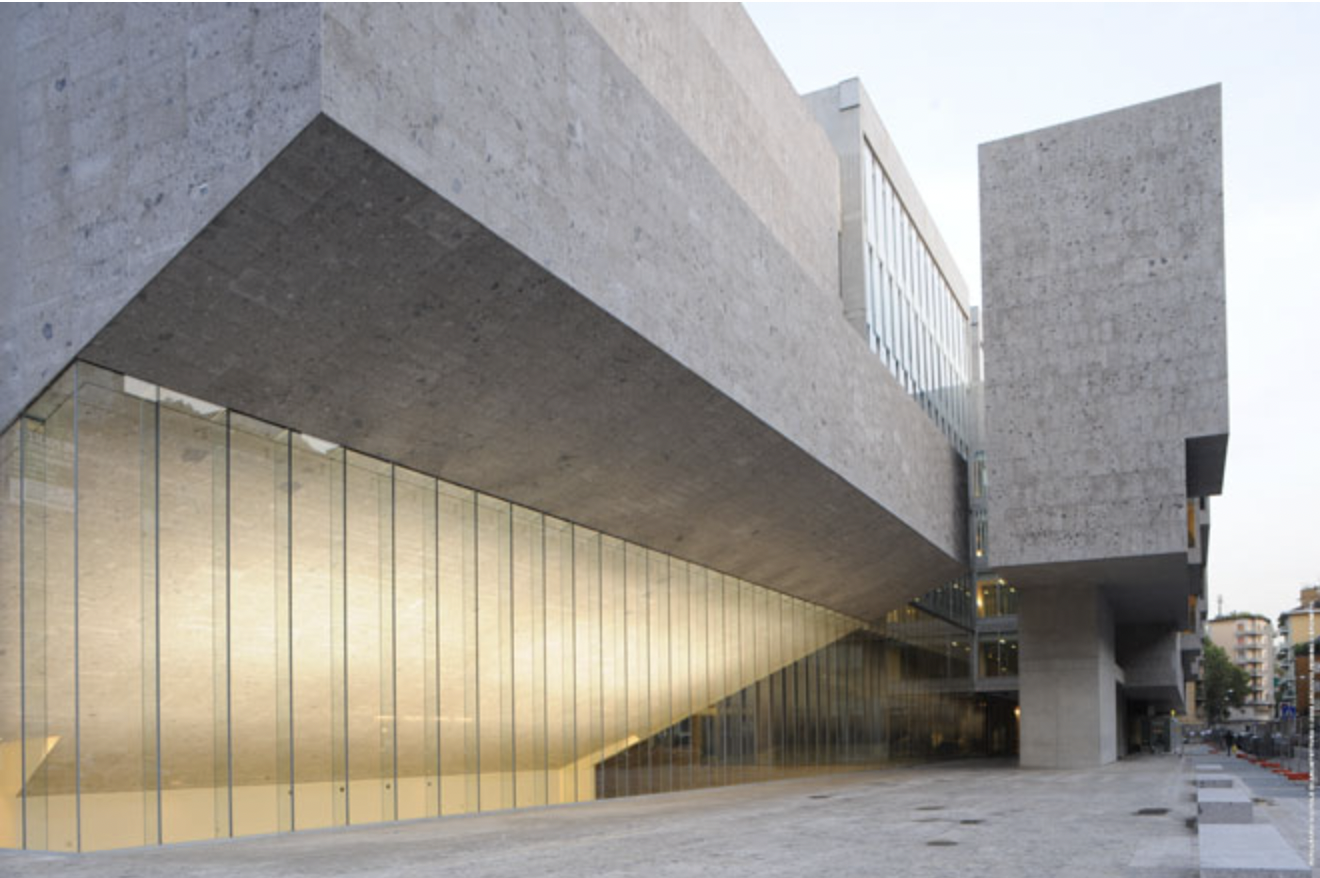
Founded by Dubliners Yvonne Farrell and Shelley McNamara, Grafton Architects bring climate-conscious, humane design to universities and civic buildings across the world.
In 2008, the practice gained huge international recognition for the Università Luigi Bocconi in Milan. Grafton took inspiration from the architectural heritage of the city and the importance of the university to Milanese life, consciously connecting the building to its surrounding area. The same philosophy of site specificity and geographical reflection is evident in recent work in France, specifically for university buildings in Toulouse and Paris and the Anthony Timberlands Center in Arkansas, USA.
Their honours include the RIBA International Prize, the Royal Gold Medal, and architecture’s most prestigious accolade, the Pritzker Architecture Prize (2020). Their work demonstrates how Irish architectural values of craft and generosity of space resonate globally.
Grafton Architects
Founded by Dubliners Yvonne Farrell and Shelley McNamara, Grafton Architects bring climate-conscious, humane design to universities and civic buildings across the world.
In 2008, the practice gained huge international recognition for the Università Luigi Bocconi in Milan. Grafton took inspiration from the architectural heritage of the city and the importance of the university to Milanese life, consciously connecting the building to its surrounding area. The same philosophy of site specificity and geographical reflection is evident in recent work in France, specifically for university buildings in Toulouse and Paris and the Anthony Timberlands Center in Arkansas, USA.
Their honours include the RIBA International Prize, the Royal Gold Medal, and architecture’s most prestigious accolade, the Pritzker Architecture Prize (2020). Their work demonstrates how Irish architectural values of craft and generosity of space resonate globally.
Kindred of Ireland
Reviving the best parts of Irish textile heritage
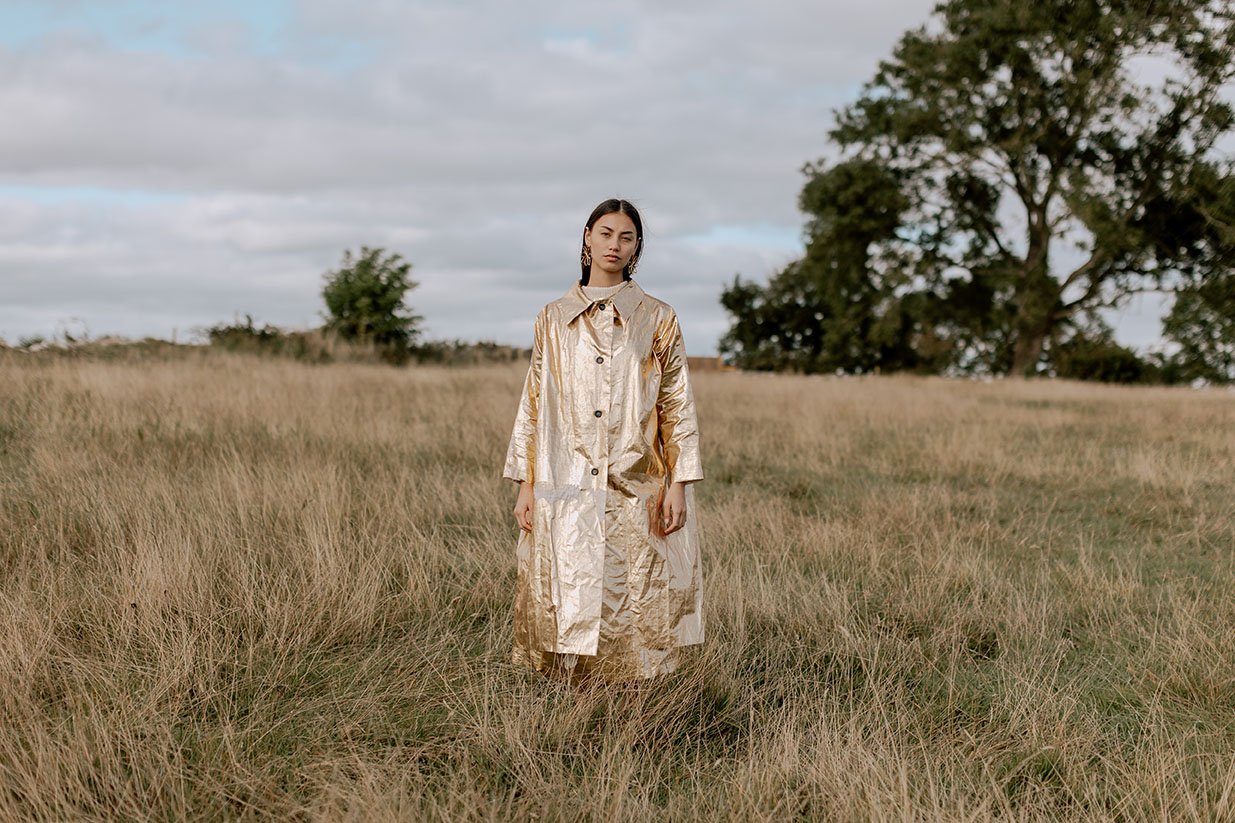
Designer Amy Anderson founded Kindred of Ireland to breathe new life into the island’s linen heritage. Growing up among flax meadows and old stories of local mills, she built a brand that blends craft tradition with contemporary luxury.
Kindred uses sustainable, slow-production methods, favouring organic fabrics and traditional techniques. Anderson’s signature is beetled linen, polished to a glossy patina using a vintage, labour-intensive process. Creating individual made-to-order garments with intergenerational appeal, Kindred wants you to share them with your kin.
Kindred of Ireland
Reviving the best parts of Irish textile heritage
Designer Amy Anderson founded Kindred of Ireland to breathe new life into the island’s linen heritage. Growing up among flax meadows and old stories of local mills, she built a brand that blends craft tradition with contemporary luxury.
Kindred uses sustainable, slow-production methods, favouring organic fabrics and traditional techniques. Anderson’s signature is beetled linen, polished to a glossy patina using a vintage, labour-intensive process. Creating individual made-to-order garments with intergenerational appeal, Kindred wants you to share them with your kin.
Jack Smyth
Contemporary book design
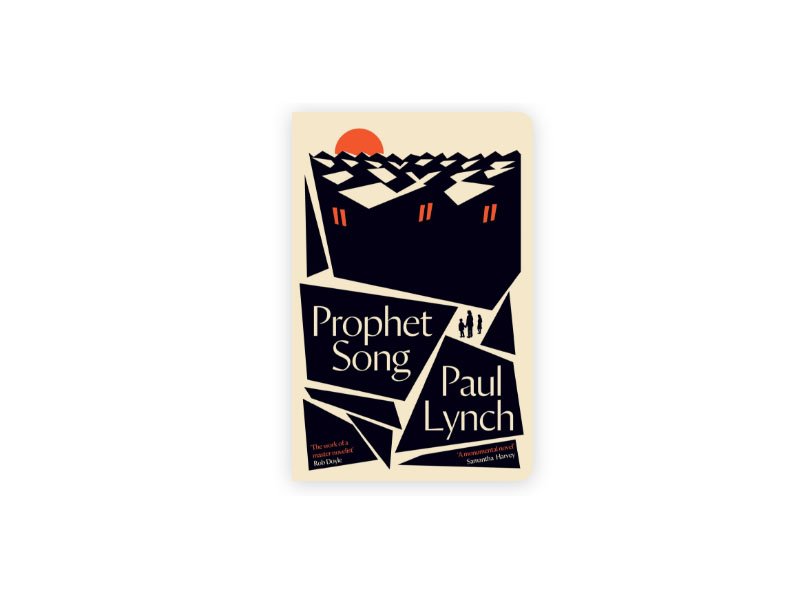
Book cover designer Jack Smyth has gained international attention for work that combines visual boldness with emotional insight. His cover for Paul Lynch’s Prophet Son was selected for https://www.100archive.com. His design contrasts sharp geometric forms with organic drawings of a people making up a family, capturing the novel’s themes of oppression and human fragility.
“There are infinite identities we can give to any one book,” Smyth notes. His covers demonstrate how Irish graphic design continues to push literary culture forward. Jack Smyth talks us through what makes a successful book jacket design
Jack Smyth
Contemporary book design
Book cover designer Jack Smyth has gained international attention for work that combines visual boldness with emotional insight. His cover for Paul Lynch’s Prophet Son was selected for https://www.100archive.com. His design contrasts sharp geometric forms with organic drawings of a people making up a family, capturing the novel’s themes of oppression and human fragility.
“There are infinite identities we can give to any one book,” Smyth notes. His covers demonstrate how Irish graphic design continues to push literary culture forward. Jack Smyth talks us through what makes a successful book jacket design
Path
Human-centred digital design for cultural institutions
Founded in 2006, Path began as a web studio and evolved into a leading strategic design agency. Their work integrates strategy, user research, service design, UX/UI, and content planning to create digital products that are as useful as they are beautiful.
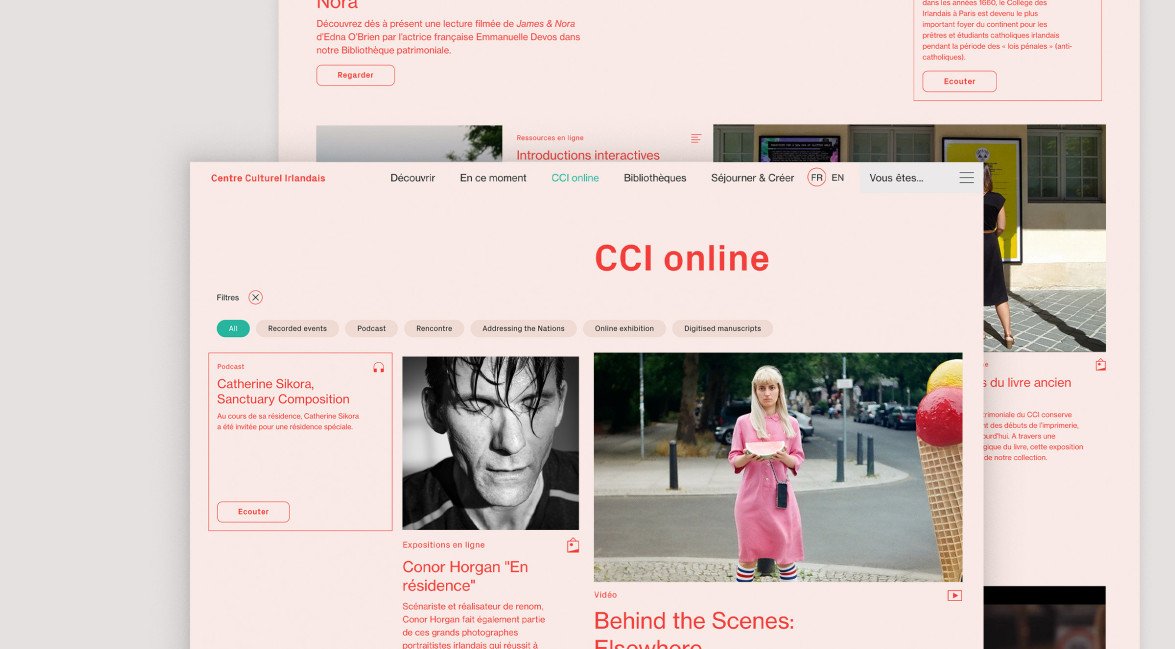
Projects include the websites for Centre Culturel Irlandais (CCI) in Paris and the Galway International Arts Festival helping Irish arts reach global audiences online. The CCI website mirrors the experience of visiting the cultural centre itself with its dynamic design, bilingual offering, and is deeply connected to its prestigious building and surrounds.
Path
Human-centred digital design for cultural institutions
Founded in 2006, Path began as a web studio and evolved into a leading strategic design agency. Their work integrates strategy, user research, service design, UX/UI, and content planning to create digital products that are as useful as they are beautiful.
Projects include the websites for Centre Culturel Irlandais (CCI) in Paris and the Galway International Arts Festival helping Irish arts reach global audiences online. The CCI website mirrors the experience of visiting the cultural centre itself with its dynamic design, bilingual offering, and is deeply connected to its prestigious building and surrounds.
Gráinne Watts
Porcelain inspired by the Atlantic coast
Ceramic artist Gráinne Wattsdraws inspiration from the eroded stones and tidal textures of the Connemara coastline.
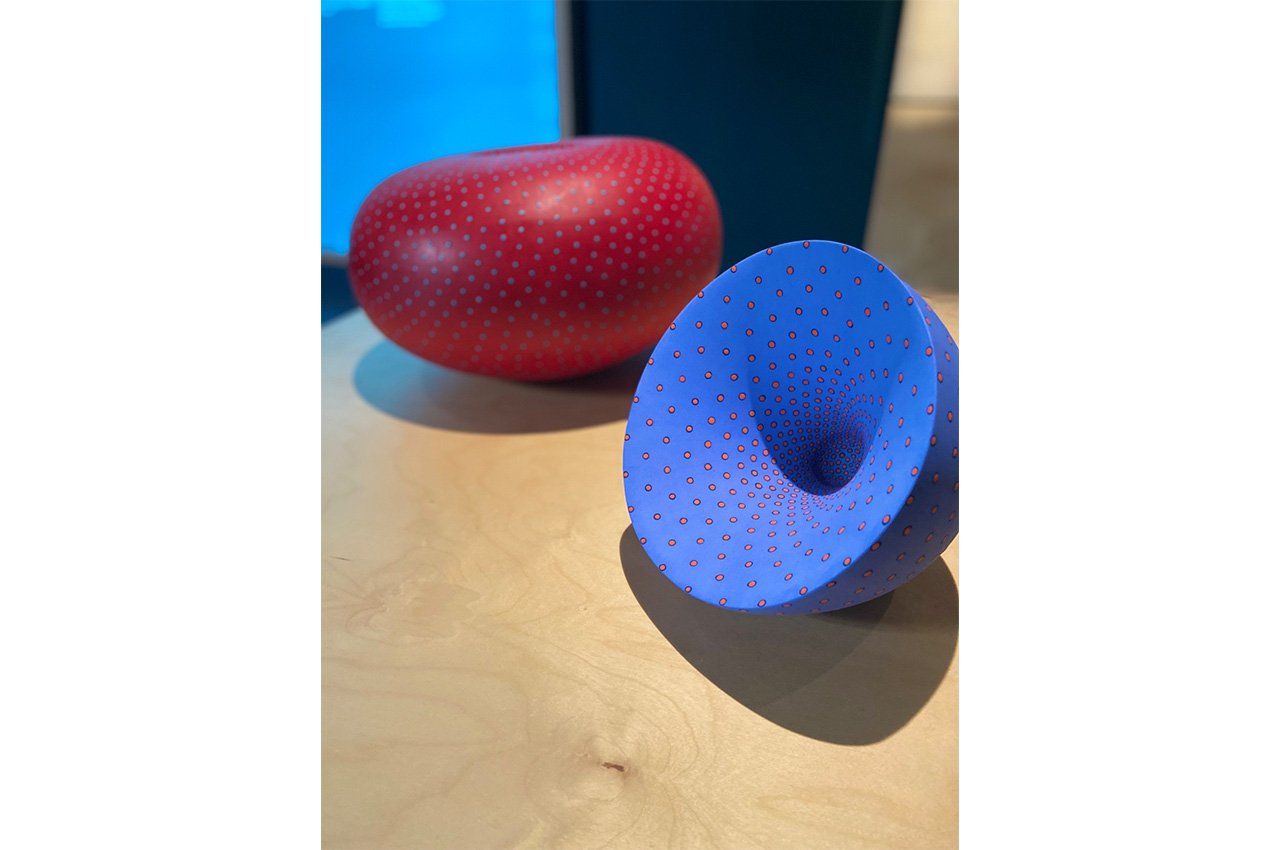
Using stoneware clay or Ming porcelain, she explores organic geometry through fine-turning, sanding, and intricate hand-painting. Her work is smooth, tactile, drawing on rich colours with each piece hand painted. Her work captures the rhythms of nature while showcasing Ireland’s world-class craft tradition.
Grainne is based in County Kilkenny in Ireland where she works from her own studio and has exhibited in France, Berlin, Scotland and London.
Gráinne Watts
Porcelain inspired by the Atlantic coast
Ceramic artist Gráinne Wattsdraws inspiration from the eroded stones and tidal textures of the Connemara coastline.
Using stoneware clay or Ming porcelain, she explores organic geometry through fine-turning, sanding, and intricate hand-painting. Her work is smooth, tactile, drawing on rich colours with each piece hand painted. Her work captures the rhythms of nature while showcasing Ireland’s world-class craft tradition.
Grainne is based in County Kilkenny in Ireland where she works from her own studio and has exhibited in France, Berlin, Scotland and London.
"Design has the potential for joy, whether that’s through an object, an experience, or a piece of technology. The real power is in inclusivity. The more inclusive we are, the more interesting we become.”
Tom Watts, Head of Design at the Design and Crafts Council of Ireland (DCCI)

Dolmen
Irish product design in over 60 countries
Dublin-based Dolmen is one of Ireland’s most successful product design and R&D studios. Their work spans medical devices for companies like Medtronic, advanced industrial tools, and manufacturing systems for brands like Guinness.
Blending user-centred design with technical expertise, Dolmen have designed products in use in over 60 countries and earned over 40 international design awards. Their work demonstrates how Irish industrial design quietly supports major global innovations.
Dolmen
Irish product design in over 60 countries
Dublin-based Dolmen is one of Ireland’s most successful product design and R&D studios. Their work spans medical devices for companies like Medtronic, advanced industrial tools, and manufacturing systems for brands like Guinness.
Blending user-centred design with technical expertise, Dolmen have designed products in use in over 60 countries and earned over 40 international design awards. Their work demonstrates how Irish industrial design quietly supports major global innovations.
Cartoon Saloon
Irish animation reaches millions worldwide
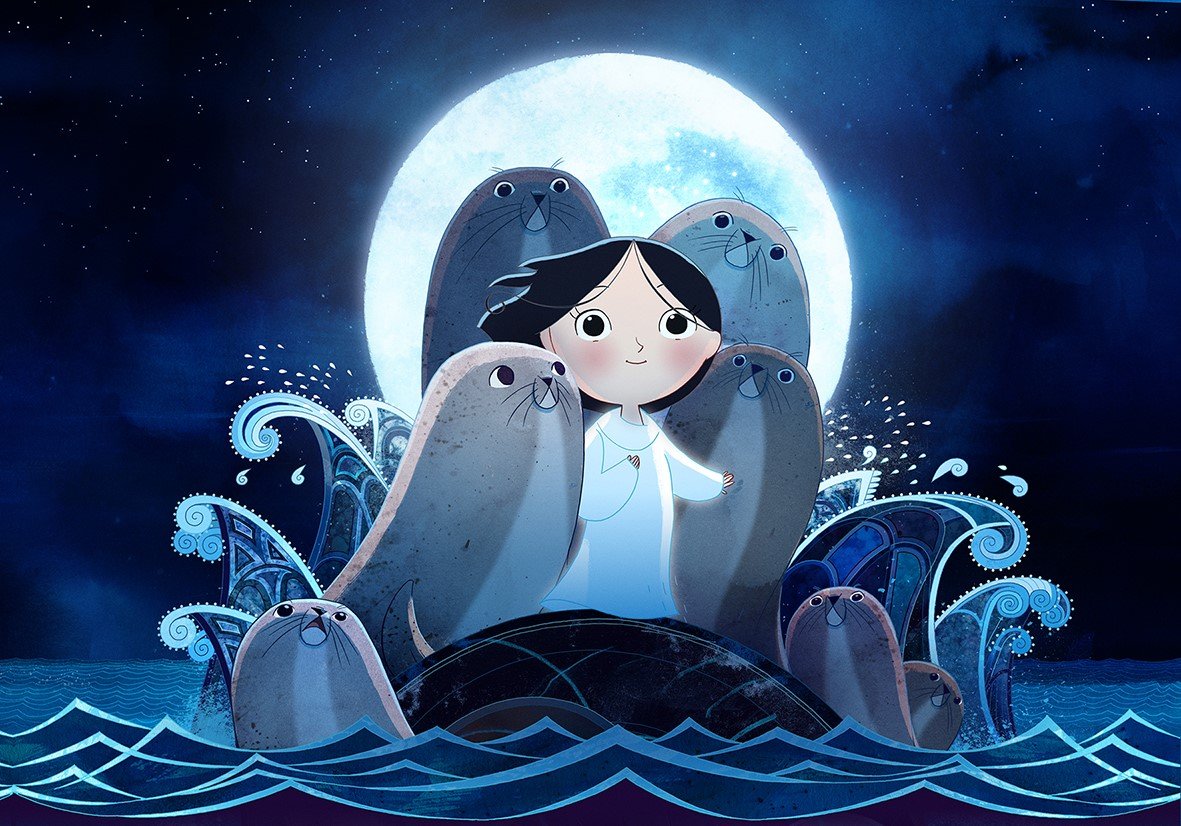
Since 1999, Kilkenny’s Cartoon Saloon has brought Irish folklore and hand-drawn artistry to global audiences. Films such as The Secret of Kells, Song of the Sea, The Breadwinner, and Wolfwalkers have received multiple Oscar, BAFTA, and international festival nominations.
Their work proves that small-studio craft can stand alongside, and often surpass, the world’s biggest animation houses.
Celebrating the creativity of the animation craft, Cartoon Saloon is the founder and host of Kilkenny Animated, an annual festival of visual storytelling incorporating exhibitions, talks and performances.
Cartoon Saloon
Irish animation reaches millions worldwide
Since 1999, Kilkenny’s Cartoon Saloon has brought Irish folklore and hand-drawn artistry to global audiences. Films such as The Secret of Kells, Song of the Sea, The Breadwinner, and Wolfwalkers have received multiple Oscar, BAFTA, and international festival nominations.
Their work proves that small-studio craft can stand alongside, and often surpass, the world’s biggest animation houses.
Celebrating the creativity of the animation craft, Cartoon Saloon is the founder and host of Kilkenny Animated, an annual festival of visual storytelling incorporating exhibitions, talks and performances.
Annie Atkins
Building imaginary worlds that feel familiar
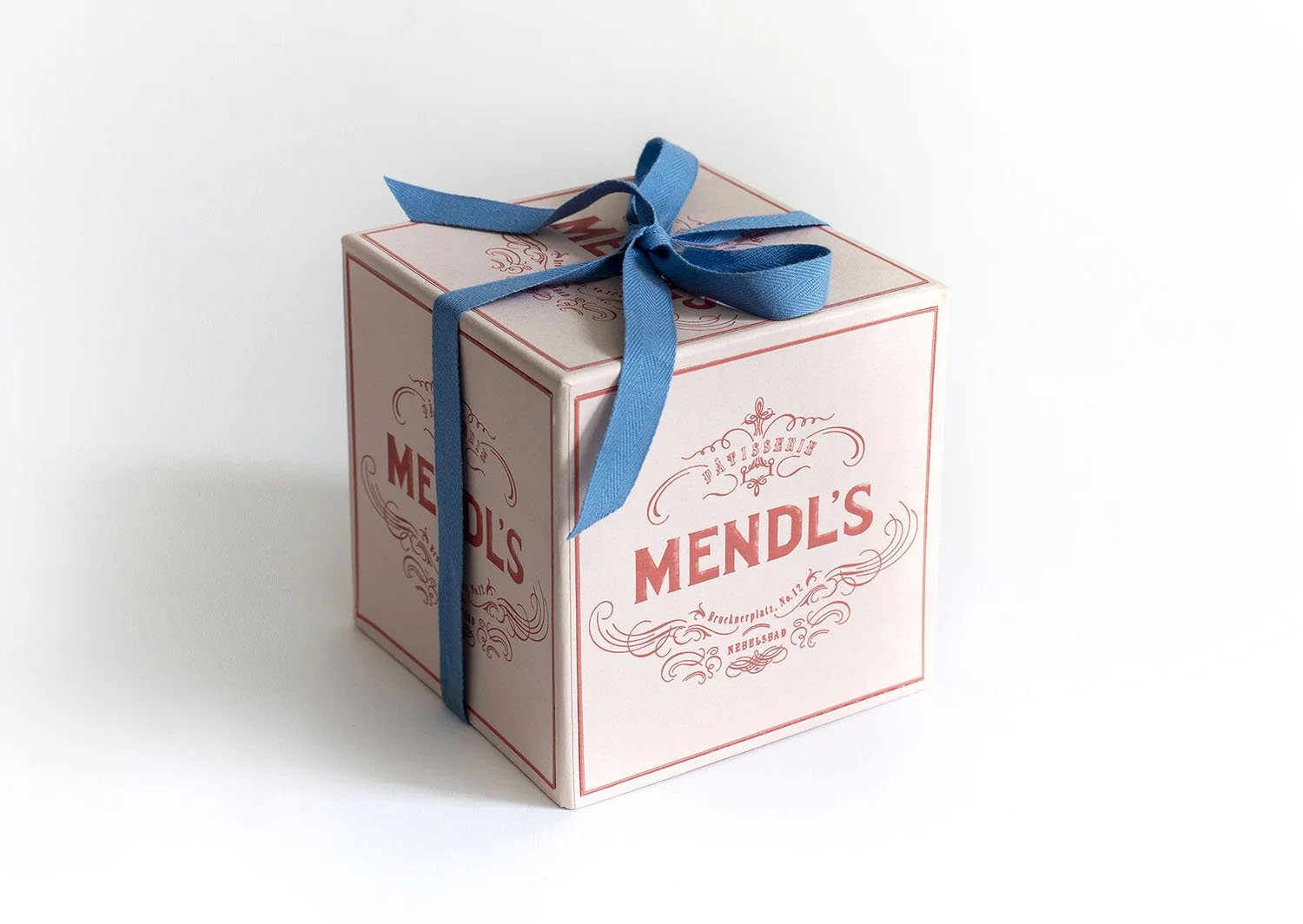
Dublin-based Annie Atkins is one of the world’s leading graphic designers for film. Her paper props such as letters, passports, telegrams, signage, branding and dossiers form the visual backbone of movies by the likes of Steven Spielberg and Wes Anderson.
Her work on The Grand Budapest Hotel shaped Anderson’s instantly recognisable aesthetic. Atkins merges typography, illustration, and historical research into graphic storytelling that feels authentic even when it is entirely made-up.
She says: “It’s tricky designing something that doesn’t look like it was made by an art department when you’re in the art department: you really have to shake off your digital instincts and step in to the shoes of the character—or the time or place—that you’re designing for. I love that challenge.”
Annie Atkins
Building imaginary worlds that feel familiar
Dublin-based Annie Atkins is one of the world’s leading graphic designers for film. Her paper props such as letters, passports, telegrams, signage, branding and dossiers form the visual backbone of movies by the likes of Steven Spielberg and Wes Anderson.
Her work on The Grand Budapest Hotel shaped Anderson’s instantly recognisable aesthetic. Atkins merges typography, illustration, and historical research into graphic storytelling that feels authentic even when it is entirely made-up.
She says: “It’s tricky designing something that doesn’t look like it was made by an art department when you’re in the art department: you really have to shake off your digital instincts and step in to the shoes of the character—or the time or place—that you’re designing for. I love that challenge.”
Their mission is simple and powerful: to create equitable systems by asking, in every room, “Is this accessible?”
Tilting the Lens

Sinéad Burke
Founder of Tilting the Lens: designing for inclusion worldwide
Author, educator, and design advocate Sinéad Burke has become one of the leading voices for accessibility in fashion, digital culture, and built environments. Through speaking, writing, and consultancy, she challenges industries to design with, not for, disabled people.
In 2020 she founded Tilting the Lens, an accessibility consultancy now working with brands such as Gucci, Ralph Lauren, Netflix, Pinterest, and Starbucks. Their mission is simple and powerful: to create equitable systems by asking, in every room, “Is this accessible?”
Sinéad Burke
Founder of Tilting the Lens: designing for inclusion worldwide
Author, educator, and design advocate Sinéad Burke has become one of the leading voices for accessibility in fashion, digital culture, and built environments. Through speaking, writing, and consultancy, she challenges industries to design with, not for, disabled people.
In 2020 she founded Tilting the Lens, an accessibility consultancy now working with brands such as Gucci, Ralph Lauren, Netflix, Pinterest, and Starbucks. Their mission is simple and powerful: to create equitable systems by asking, in every room, “Is this accessible?”
Joseph Walsh
Sculpting the seemingly impossible
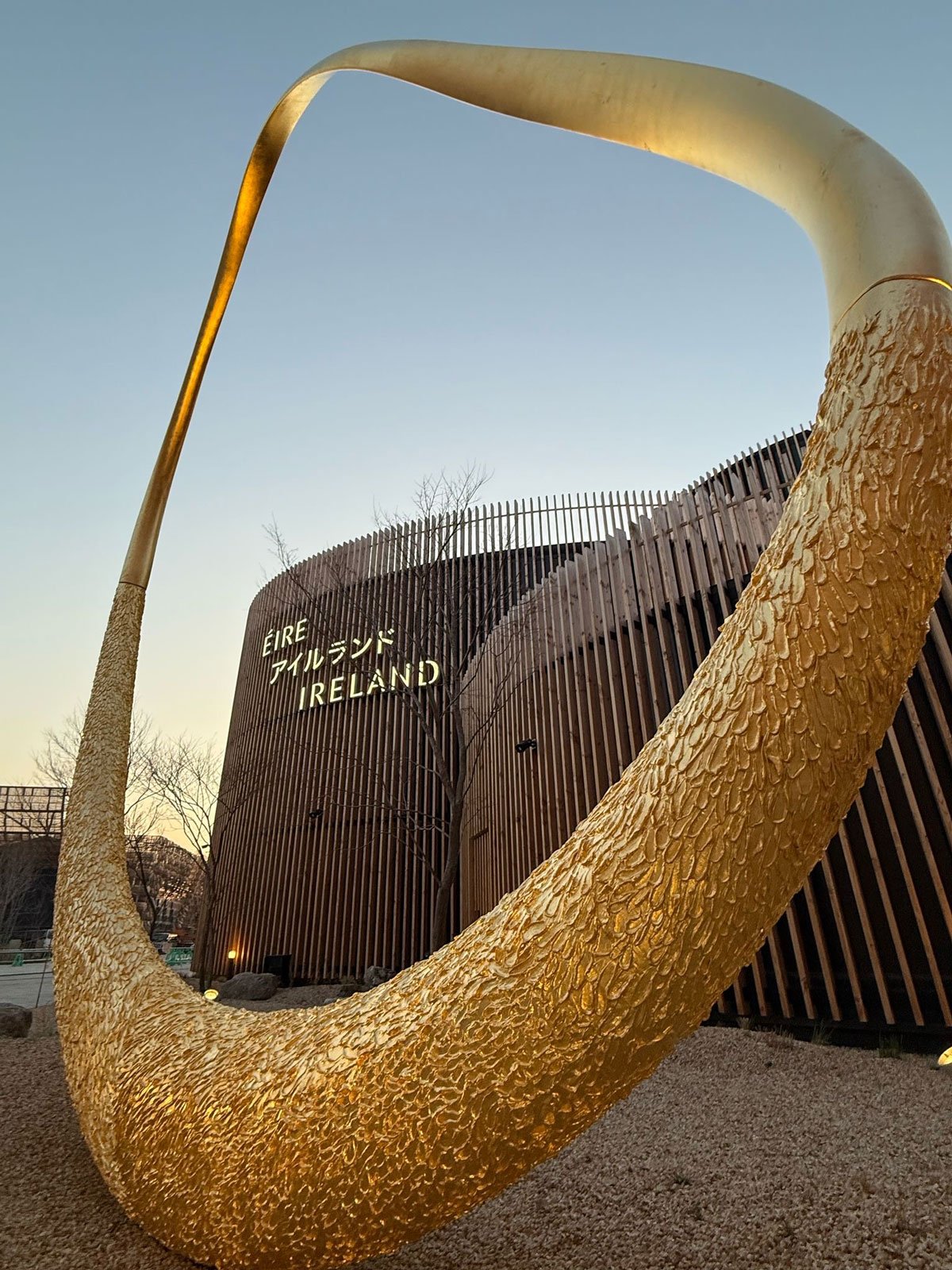
From his studio in rural Cork, designer and maker Joseph Walsh produces sculptural furniture and monumental installations that appear to move like wind or water. His work blends traditional craft with experimental making techniques woven into fluid, organic forms.
His sculpture Magnus Rinn, created for Expo 2025, demonstrates his approach, shifting from bronze to wood, and finished in gold gilding. It symbolises the relationship between man and nature: although man-made, its shape is influenced by its natural materials. Magnus Rinn served as a landmark outside the Ireland Pavilion at Expo Osaka and a meeting point for international visitors.
Joseph Walsh
Sculpting the seemingly impossible
From his studio in rural Cork, designer and maker Joseph Walsh produces sculptural furniture and monumental installations that appear to move like wind or water. His work blends traditional craft with experimental making techniques woven into fluid, organic forms.
His sculpture Magnus Rinn, created for Expo 2025, demonstrates his approach, shifting from bronze to wood, and finished in gold gilding. It symbolises the relationship between man and nature: although man-made, its shape is influenced by its natural materials. Magnus Rinn served as a landmark outside the Ireland Pavilion at Expo Osaka and a meeting point for international visitors.

>> Find out more about Irish Design