


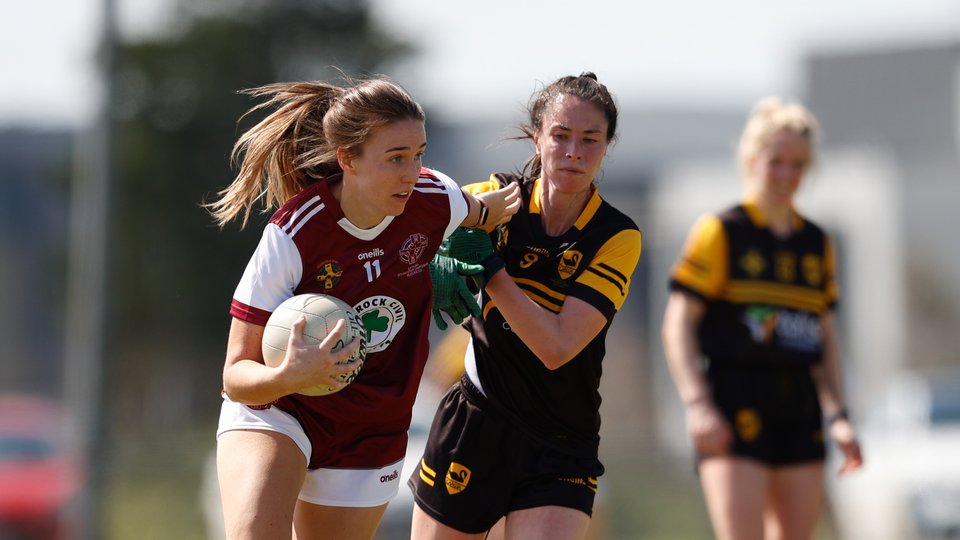
GAA down under: 50 years of Australasia Gaelic Games
The first accounts of Ireland’s Gaelic games being played down under date back to the 19th century, with the arrival of Irish immigrants to Australia. In the years following the Great Famine, the country began to see hurling flourishing across the country for the first time.
In 1863, a set of hurling rules was published in the Geelong Advertiser, coinciding with a St Patrick’s Day game. The Gaelic Athletic Association of Australia was officially founded in 1974 by representatives from across the country. With over 50 years, thousands of newcomers, and a name change from The Gaelic Athletic Association of Australia to Australasia Gaelic Games under their belt, they now comprise clubs all over Australia and New Zealand, boasting 120 active teams and over 4,000 registered players.
A Golden Jubilee
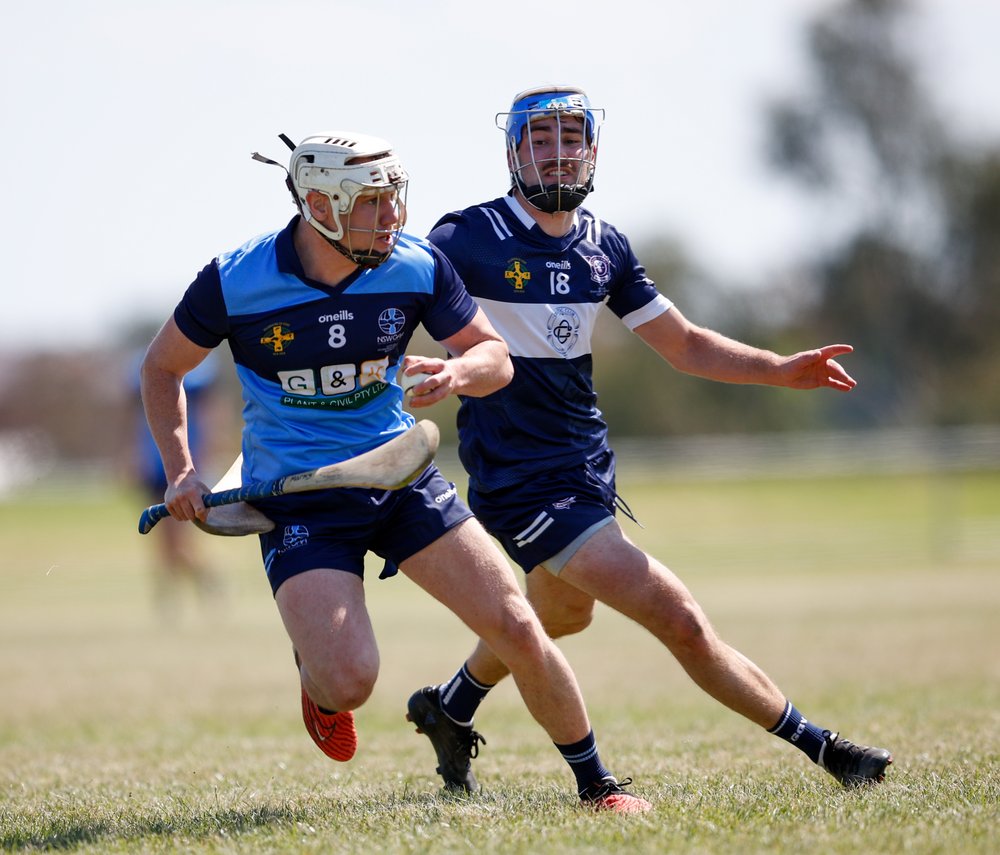
In 2024, the regional association marked 50 years of their association with a memorable celebration at the Australasia Interstate Championships, held at Gaelic Park in Melbourne.
The event brought together over 500 of the region’s top players across 24 teams, each featuring at least one representative from every county in Ireland. They gathered in anticipation to compete for national honours and represent their states, akin to players representing their counties at home.
"A sense of purpose"
Meet Teresa Daly, who is based in Sydney and has been leading the charge as Secretary of Australasia Gaelic Games since 2023, having been served as a secretary at club level with Penrith Gaels and then at state level with New South Wales GAA.
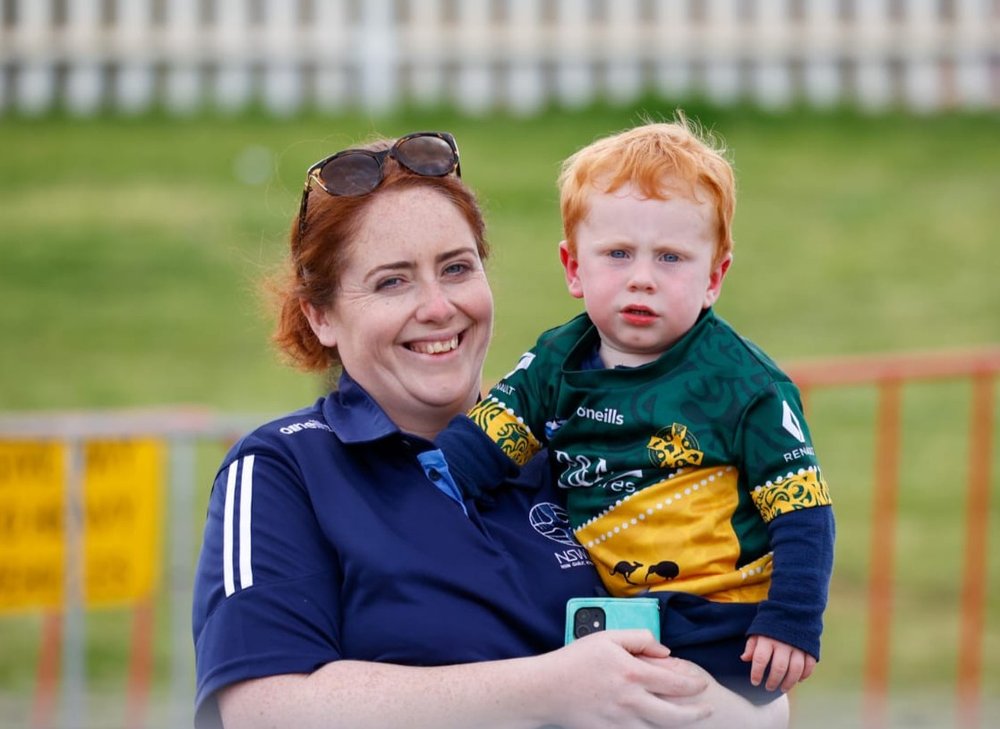
“Without Gaelic games, I might have packed my bags and headed back to Ireland. Instead, they’ve kept me here, offering a sense of purpose and connection that has enriched my life immeasurably. Gaelic games in Australia are more than a sport; they’re a lifeline, a community, and a never-ending reminder of home
Global connections
Gaelic Games is not only a means to connect with others across the country, but became a means to forge relationships with fellow enthusiasts worldwide.
Many teams from across the globe have been welcomed to Australasian shores over the years, and in 1978, an Australian hurling team embarked on a world tour. They competed with local teams in New York, London, and Ireland, including the Aer Lingus selections in Croke Park.
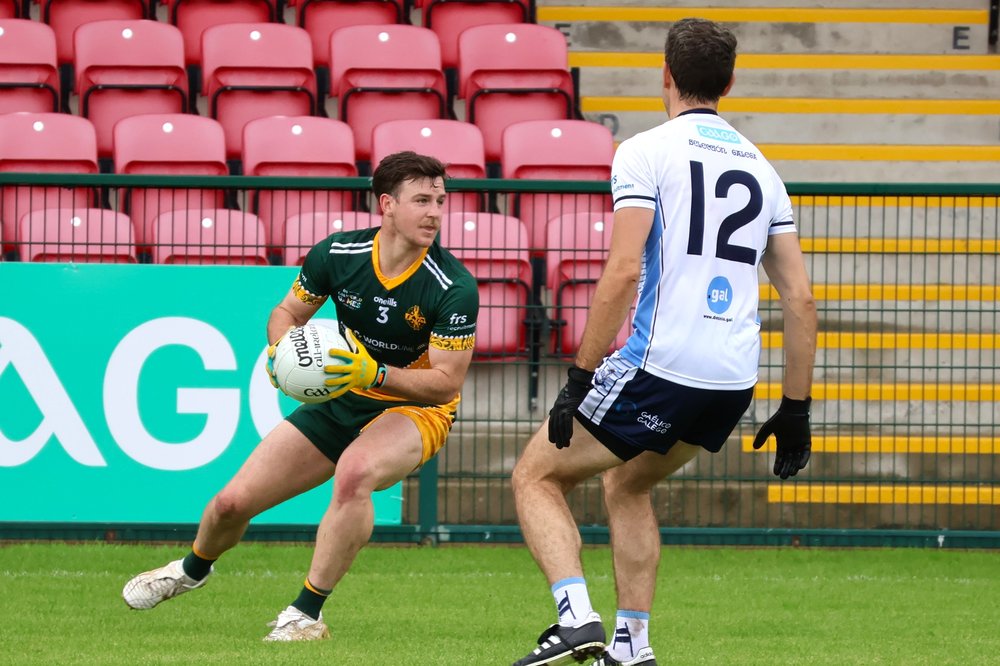
Trips to Ireland became more frequent in subsequent years and Australasian teams established themselves as a force to be reckoned with on a world stage, with multiple world titles under their belt.
In 2015 in Abu Dhabi, the first World Games in its current format was played. The Australasian women’s football team were finalists, putting up a strong game against the Middle East. The following year, the World Games in Dublin saw many a success for them in the camogie and football.
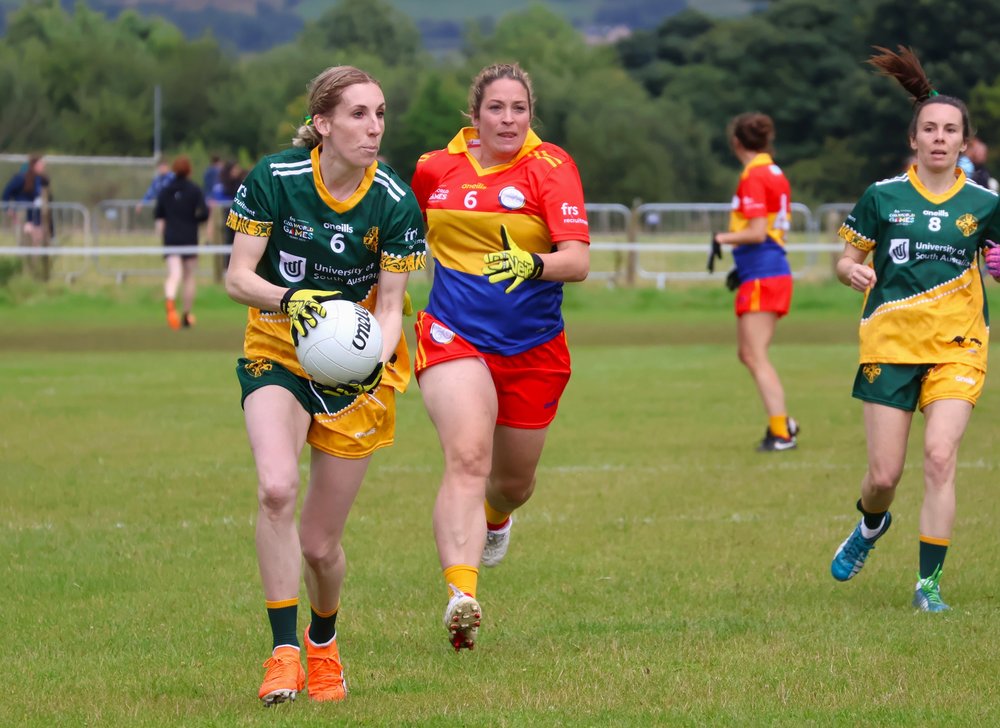
While these international trips have long provided Irish emigrants with the chance to represent their adopted countries, they are especially meaningful for indigenous players who consider the opportunity to represent their nation on the world stage invaluable.
Kate Fenton – South Australia women’s state coach and player
Kate Fenton plays Gaelic football in South Australia, which is a state where most Gaelic footballers are Australian-born, including herself.
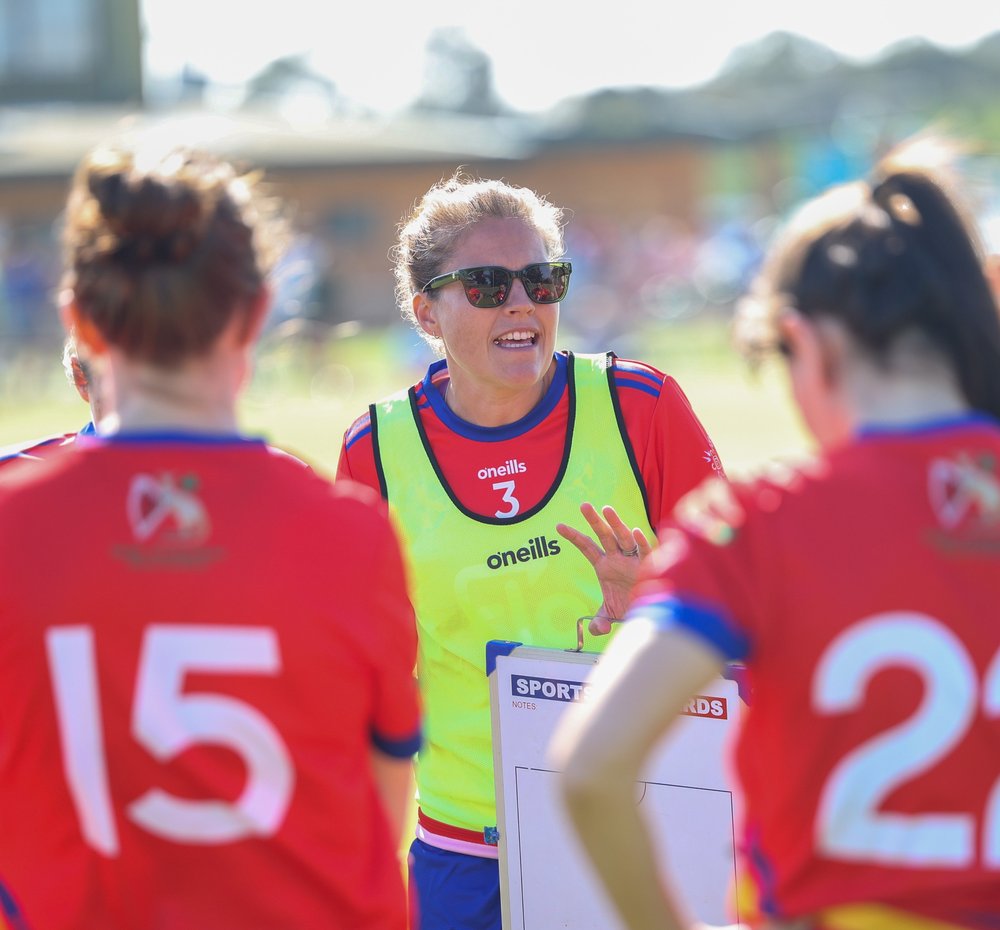
I have had so many great times and created countless memories playing this amazing sport. Now, as I approach the end of my career, I look forward to my next chapter: coaching and sharing my love for the game with even more people and players.
Looking toward the future
The future bodes well for Gaelic games in Australia 50 years on, especially with the great work that is being undertaken at youth level.
Gallery credit: Fionnbarr Diamond
From 1978 to 2018, the boys' minor (under-18) Australasia Championships showcased up-and-coming talent, with teams from Victoria, South Australia, Auckland, Queensland, and Western Australia competing regularly.
Recent years have seen significant growth in youth games, especially for the younger age groups.
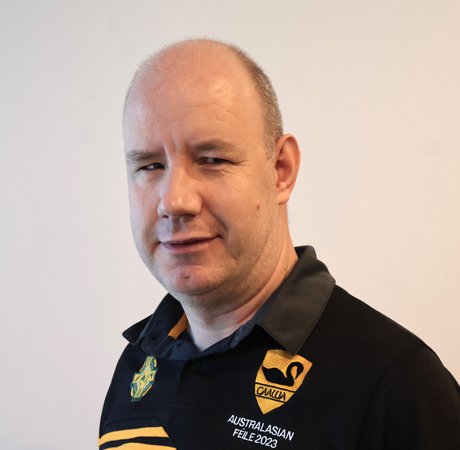
March 2025 saw the second edition of the Australasia Féile, one of the biggest youth Gaelic games competitions outside of Ireland with more than 300 players in attendance.
Clare native Tom Murphy was appointed as Australasia Gaelic Games first-ever Youth Officer last year.
“My involvement with GAA in Australasia has provided me with lifelong friendships, a keen sense of satisfaction watching children grow playing Gaelic games, and a continuing connection to Ireland despite being so far away.”
Tom Murphy: Australasia Gaelic Games Youth Officer
Growth in the regions
Gaelic games have also seen significant growth outside urban centres. As more Irish people move to regional areas, clubs quickly follow suit. Seán Garvey, Chieftains’ Secretary, men’s football manager, and player, comments on the community appeal of a regional club.
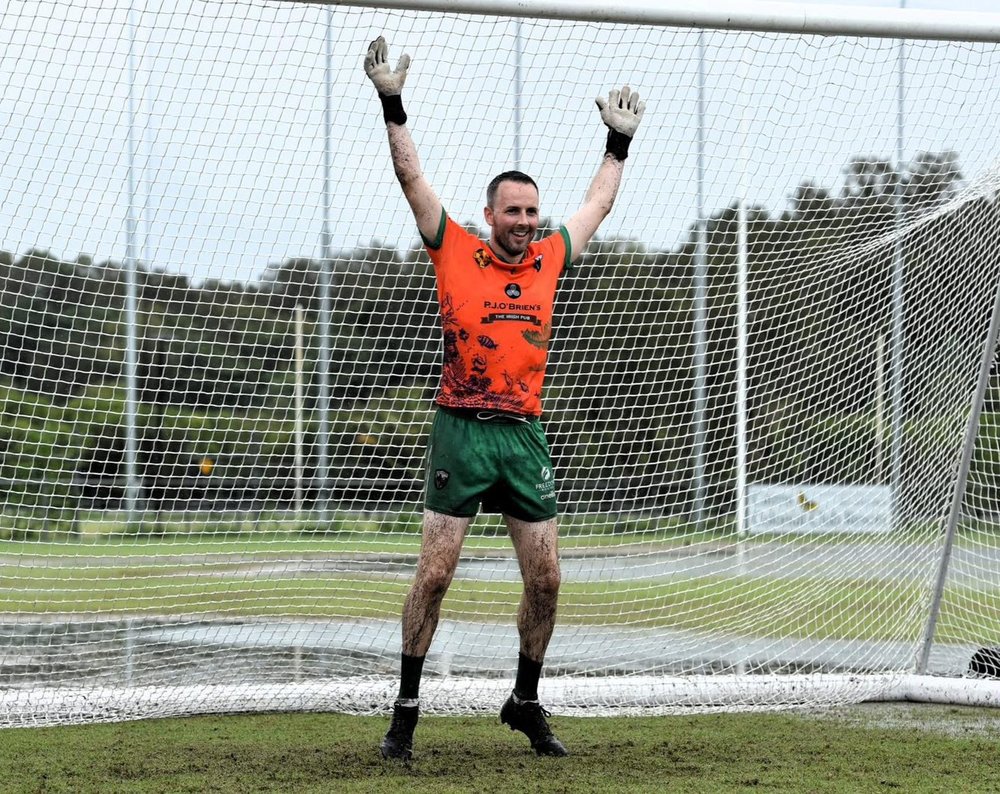
I, along with other club members, enjoy and look forward to returning the help we received in our early days in Australia with other clubs to all incoming club members.
Australasia Games look forward to welcoming everyone to the 2025 Australasia Regional Games at Watsons Oval on 15 November to compete and celebrate our achievements within regional Australia as a whole.