


Gaelic Games at the edge of the world: A tour of New Zealand’s GAA scene
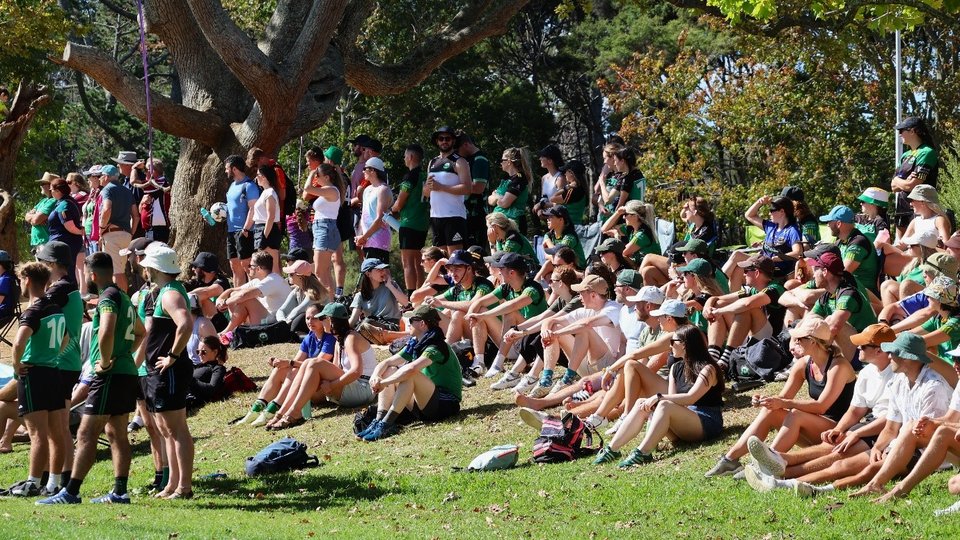
A crack of a sliotar against the ash of a hurl echoes against New Zealand hills, far from home, but with no less spirit. There, Gaelic Games have not only taken root, but are thriving. From big cities to remote farming towns, the games have taken a strong hold of people all over the country.
With over 10 active GAA clubs, and 500 players throughout the nation, the sports have carved out a passionate and growing community of Irish emigrants, descendants and locals alike. As part of the wider Australasia Gaelic Games network, New Zealand’s GAA scene connects people through regular local, national, and trans-Tasman competitions and events.
The rise of GAA in Auckland
Gaelic Games have been played on an organised basis since 1949 under the Auckland Irish Society. In following decades, the sports bloomed into multiple local teams and garnering global attention with notable visits from All-Ireland Football Champions, County Kerry in 1959, and the New York GAA in subsequent years.
Auckland GAA was established in 1975 and the following decades heralded a golden age for the association who secured several titles at the Australasia Championships in underage and adult categories of men’s and women’s football.
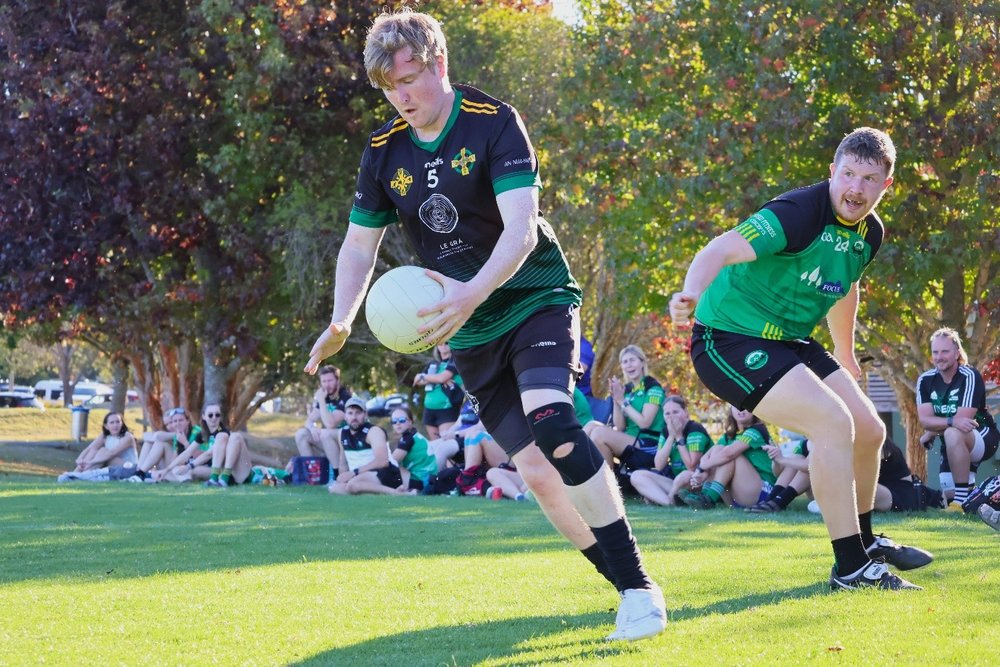
Going from strength to strength, Auckland is home to four GAA clubs: Auckland Celtic, Harps GAA Auckland, Marist Rangers CLG and St Patrick’s Emerald City boasting over 150 players. This year, Auckland GAA hosted the 2025 New Zealand Championships as a centrepiece of their 50th anniversary celebrations. While longstanding rivalries between the clubs were spirited, there was an enduring culture of inclusion and camaraderie at its heart.
From newcomer to native
Helping to organise the 2025 New Zealand Championships was Auckland GAA committee member, Kellie Condon. After moving to New Zealand in 2019, Condon found her footing on the pitch after the COVID-19 pandemic restrictions caused an inescapable longing for home.
She found comfort in St Patrick’s Emerald City where the encouraging teammates inspired a strong drive and passion in her, despite having little involvement with Gaelic Games since childhood.

"Whether you’re a skilled GAA player or not, there is endless opportunities for people to be involved in something that allows you to consistently meet new people and create opportunities to travel around a beautiful country, with plenty of “craic agus cultúr” [fun and culture].
A knee injury couldn’t dull Condon’s passion. She now manages and trains the St Patrick’s Emerald City women’s team and has found her place in the Auckland GAA committee, two pursuits she has found very rewarding.
Canterbury GAA: Strength through remembrance
While Gaelic games were played sporadically throughout Canterbury before, the tragic events of the Chirstchurch earthquake in 2011 was the unlikely catalyst of its advancement. The earthquake caused mass destruction across Christchurch and Lyttelton, injuring thousands and claiming 185 lives, including Monaghan-native, Owen McKenna, and Kerryman John O’Connor.
Rebuilding the areas saw a wave of young, enterprising Irish migrants and GAA clubs in the ‘Garden City’ and surrounding areas began to emerge. With the Christchurch McKenna’s club, in memory of Owen among them.
Canterbury GAA was established in 2013, becoming the furthest official Gaelic games association from Ireland. Since then, the games have flourished in the area with local championships becoming pillar events during the summer, as well as national events, and trips ‘across the ditch’ for the Australasia Championships and the Melbourne Pearse Sevens tournaments.
Growth in the Regions
Gaelic games are taking root all over the country. The Queenstown Gaels have made football a social staple for those drawn to the lakeside lifestyle, with a surge in participation since the club’s formation in 2018. The resort town hosted the largest-ever New Zealand Championships in 2024, welcoming teams from all over the country.
Rakaia GAA: From the land to the pitch
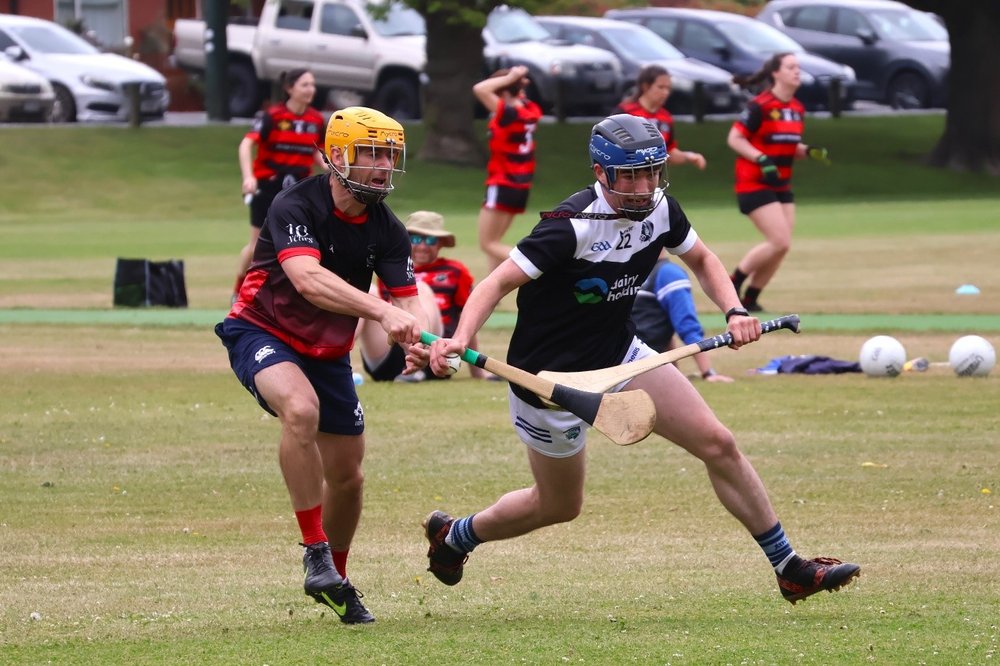
Further inland, the story continues in Rakaia against the background of flat plains, open skies, and the distant Southern Alps, where a tight-knit group of young farmers and students are carving out a name for themselves on the pitch. There Mayo-born lifelong enthusiast, Cathal Brohan, has played a role in fortifying the GAA scene in this regional outpost.
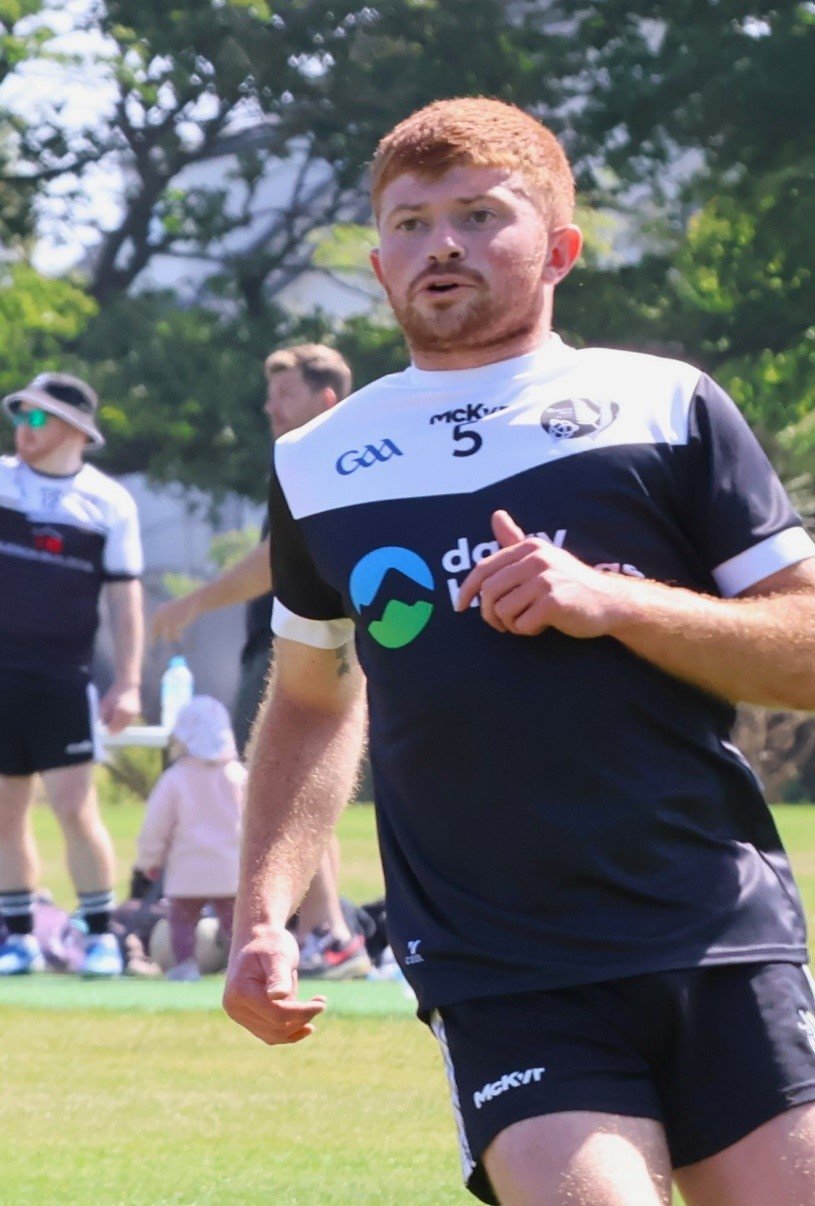
In 2022, he was introduced to the local social GAA club that was cultivated by Irish farming students around the area. It offered a connection to the game Irish people loved despite being far from home, and was a means for students to settle in and find their feet.
Together, with fellow club members Niall Gallagher and Zac Elkin, Brohan helped formalise the club’s affiliation with Canterbury GAA. In the short time since, Rakaia GAA has won impressive accolades, including victories in Zealand senior men’s Sevens and the Canterbury men’s championship last year.
Beyond the silverware, the purpose of the team is rooted in connection. For Brohan, it’s about encouraging more young farmers to come to Rakaia, experience life in New Zealand, and benefit from instant community through Gaelic games.
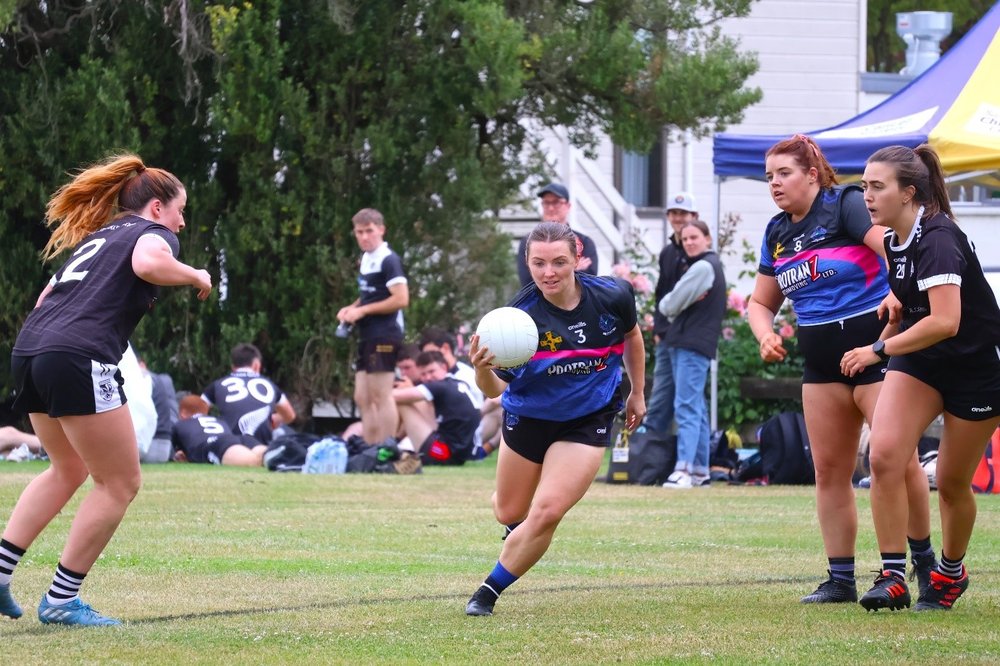
Hamilton has become a Gaelic games hub, where players come gather to compete. Local team Naomh Críostóir has quickly made a name for itself since its foundation in 2015, not only as a newer
club on the scene when they competed at the Auckland Championships, but also as an organising force, successfully hosting national tournaments that spotlighted the growing talent in Waikato.
Clubs such as these are becoming more than an extension of Irish tradition, they are building reputations as sporting landmarks in their own right.
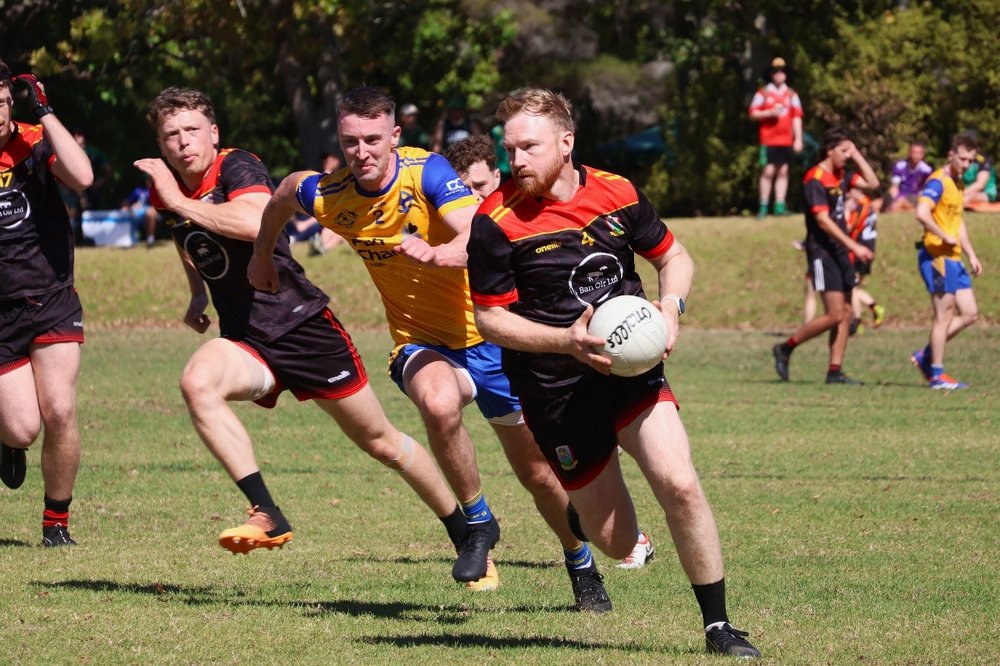
Wellington: Gaelic games in the world’s southern-most capital city
The earliest reference to Gaelic games in Wellington is a hurling match that took place New Year’s Day 1891. The world’s southernmost capital city is home to Wellington/Hutt Valley Gaelic Football and Hurling Association and has players from Ireland, New Zealand and further afield. In 2021 the club celebrated 130 years of Gaelic games in the city, marking it with a short film. The club as it is known today was officially formed in 1986 under the name Hutt Valley GAA.
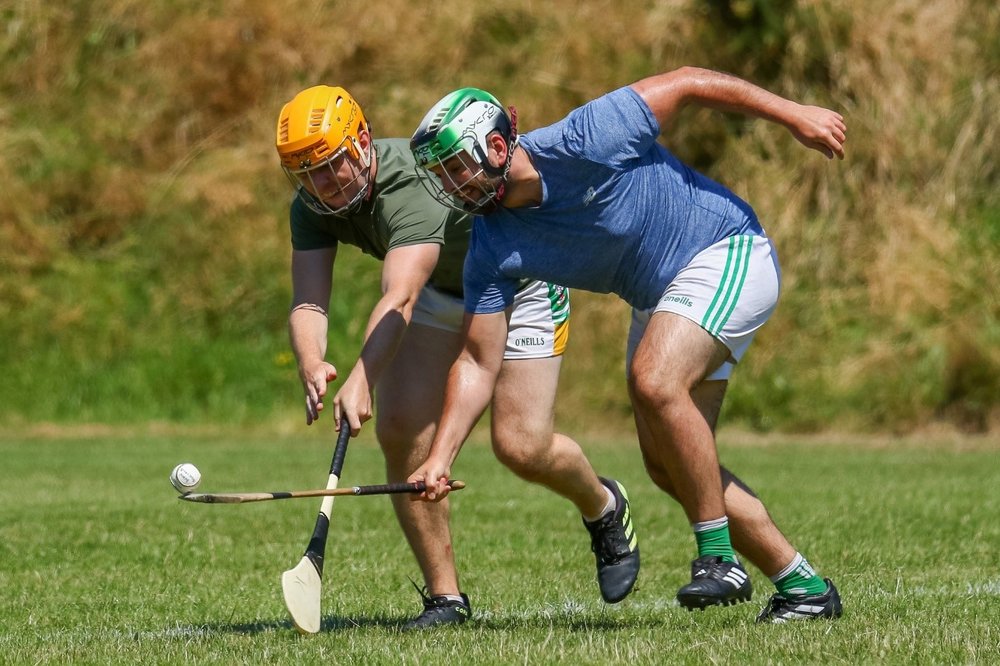
They have a designated social league focused on encouraging fun and inclusivity for all people, no matter their knowledge and experience with GAA. Their innovative, hurling/camogie hybrid ‘hurlogie’ is particularly appealing to newcomers, offering a space to develop skill and speed in an approachable way.
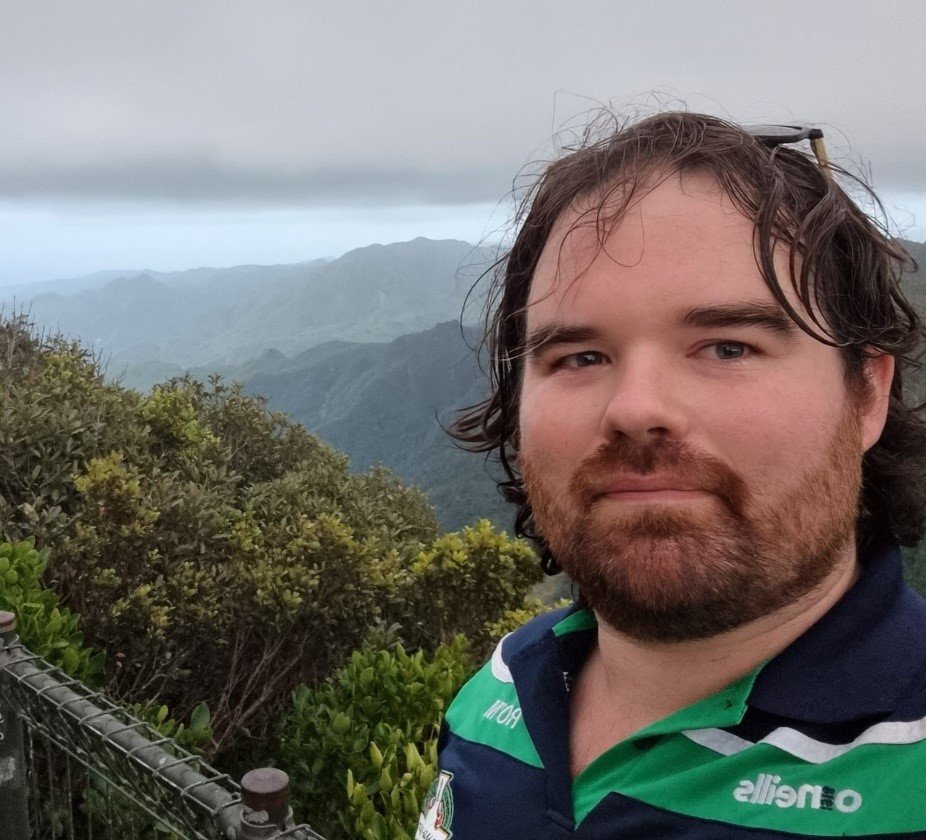
“I wish everyone that is in the position I was in could experience the same journey I’ve been on with this club,” says Ronan O’Malley, who went from complete novice to Wellington/Hutt Valley GFHA President.
With each new season, more players in New Zealand discover the passion, heritage and deep sense of belonging that comes with Gaelic games, thereby shaping a vibrant future for clubs all over the country.