


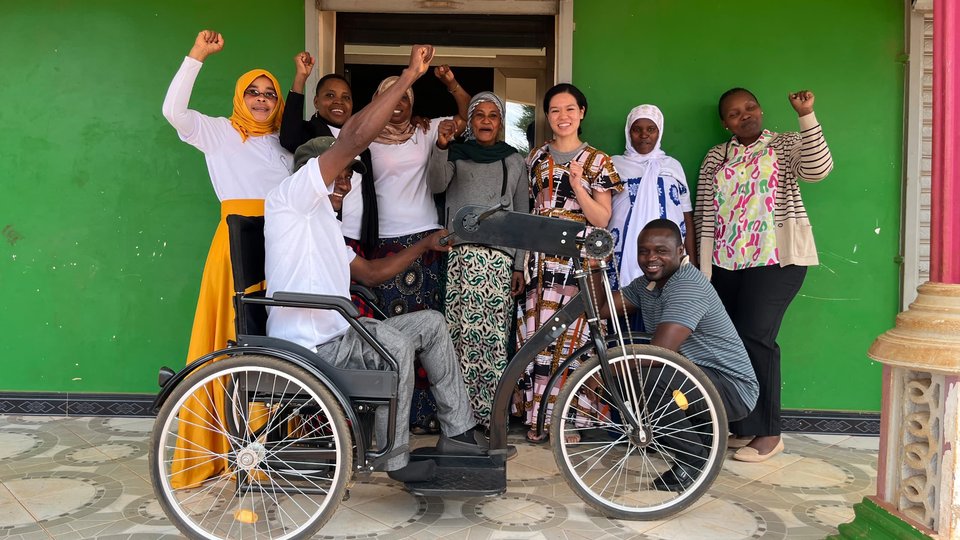
Tuinuke Pamoja: Community-led change reshaping gender norms in rural Tanzania
Tuinuke Pamoja (Kiswahili for “let’s rise together"), a three-year initiative funded by the Embassy of Ireland in Tanzania and implemented by the Aga Khan Foundation (AKF), supports these efforts by strengthening grassroots networks, broadening access to learning, and linking community groups to wider advocacy platforms to amplify their voices.
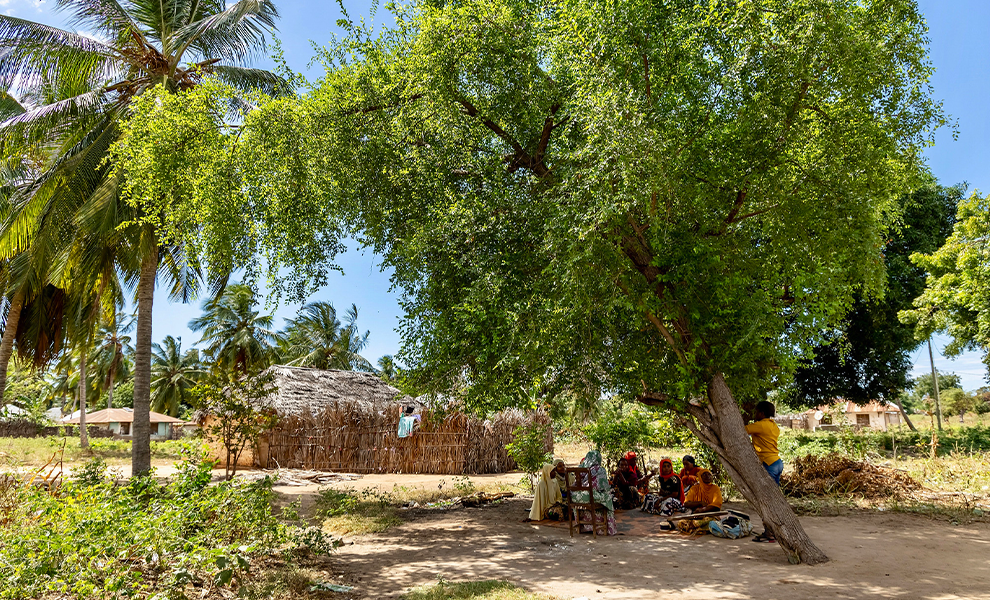
Working across seven districts, the project focusses on building the capacity of community groups through training and community knowledge centres, where people come together to identify local challenges and develop solutions.
Deep rooted barriers
Many of the issues they face are deeply rooted. Women carry much of the burden of farming and household care, yet often have limited access to land, livestock or decision-making.
Despite their crucial contribution, women's community participation remains restricted. Traditions and norms often limit their voice in households and public spaces, while gender-based violence and early marriages restricts access to education and harmful cultural practices further limit their opportunities. Language barriers in rural settings can also further isolate women from key discussions about rights and opportunities.
Before Tuinuke Pamoja, we had the will but not the know-how. Now, we can manage our income and work together effectively.
Opening new conversations
Despite these constraints, the project is helping communities open up new conversations in homes, schools, village squares and even transport hubs.
Members debate who makes decisions at home, how to keep girls in school, and why violence against women and children must be confronted directly.
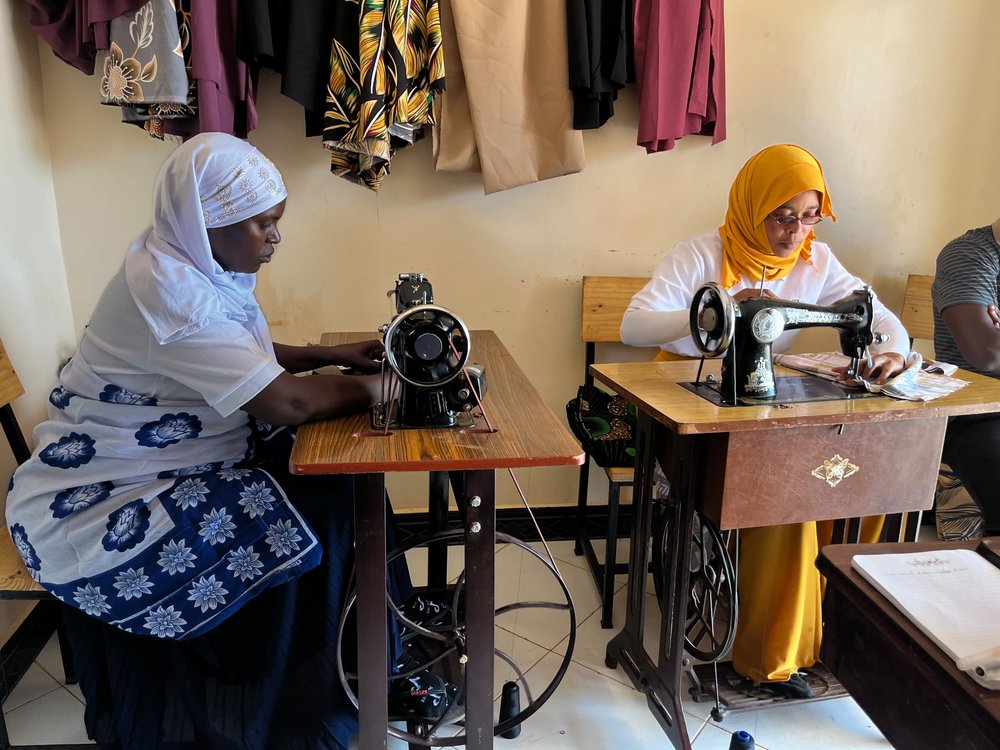
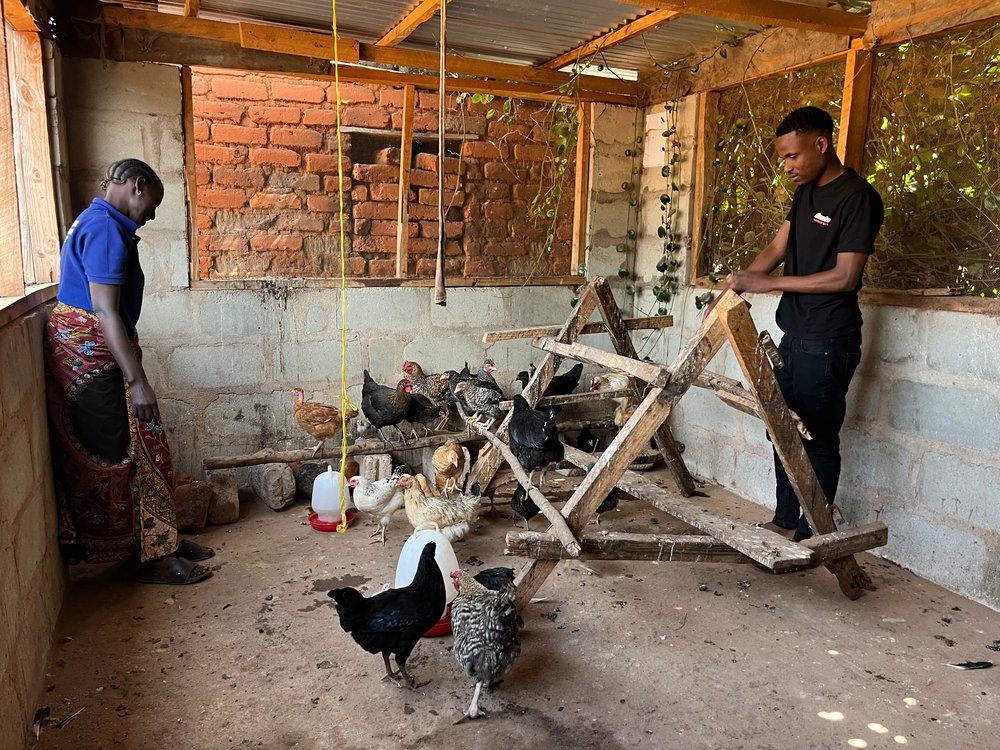
One example of this in practice is the Tujikomboe Makamaka Women Group. What began as a neighbourhood savings pool in 2023, has evolved into a space where women challenge long-held beliefs and apply practical skills to income-generating work including tailoring and poultry-keeping.
For the group, joining Tuinuke Pamoja marked a shift in confidence and capacity. “Before Tuinuke Pamoja, we had the will but not the know-how. Now, we can manage our income and work together effectively,” explains Halima, a member of the group.
Sharing knowledge with communities
The group’s experience mirrors that of more than 100 others involved in the project. Through workshops covering disability rights, early marriage, female genital mutilation and the prevention of gender based violence, members have taken knowledge back into their families and wider communities.
This knowledge has been shared across five villages, six schools and six motorcycle stands, reaching men, women and youth in ways that are rooted in local wisdom.
We believed men are always the decision makers, but now we see that women can be part of those decisions too.
The weight of familiarity
Other groups, including FAJUZARA, Kondoa Women, and Mambo Safi have tackled issues ranging from HIV awareness to early pregnancies and harmful cultural beliefs.
Because the messages come from within the community, they carry the weight of familiarity, trust and real possibility to make lasting change in the community.
Many women have begun to apply their new knowledge to their work, helping secure food and earnings for their households. These visible gains influence attitudes across communities. As one participant noted: “Men aren’t completely changed, but when they see us contributing to the household, they begin to support more.”
Building acceptance across society
Faith leaders are also part of the effort. Through ongoing dialogue with project leaders, Sheikhs are sharing faith-aligned messages on women’s empowerment, helping to build trust and widen acceptance of change.
The impact is increasingly tangible. In Suruke, women successfully advocated for electricity in their local hospital. In Kwamtoro, community groups lobbied for long-absent health services. In Kidoka, women now produce reusable sanitary pads that keep girls in school and provide income.
In Chemba, training helped a member of the Manenkikwe Women’s Group win a ward councillor seat, demonstrating how grassroots learning can translate into political leadership.
Giving existing solutions space
After its first year, Tuinuke Pamoja had reached more than 10,000 people, with 21 groups receiving funding to pursue their own initiatives. For many participants, the project affirmed that solutions already exist within their communities, and they simply need space to grow.
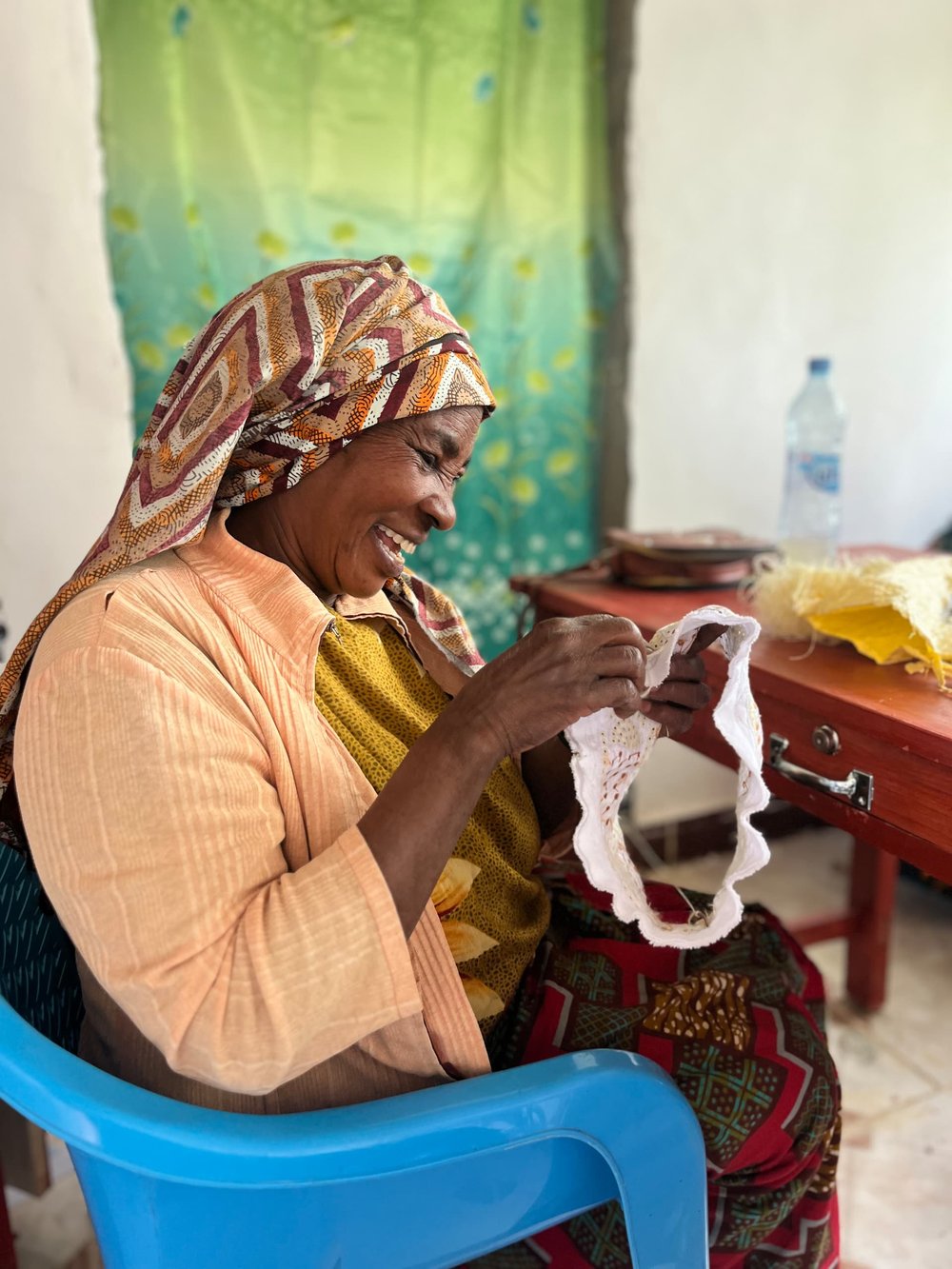
For the women of Makamaka and many others across Dodoma, Tuinuke Pamoja is a reminder that the knowledge to create change is already within their communities.
As Hamila from Makamaka put it: “This is not a one-day effort. It must be ongoing. We want to rise together for ourselves, for our children, and for our community.”
For more information on the Tuinuke Pamoja project, visit the Aga Khan Foundation website.